Related Articles
- Bizarre Wonders: Crafting Functional Ornaments from Obsolete Household Gadgets and Oddities
- Eco-Chemistry: Innovative Projects Using Upcycled Materials from Your Kitchen for Sustainable Living
- Mystical Metamorphosis: Crafting Enchanted Home Decor from Unwanted Childhood Toys and Forgotten Doll Parts
- Color Cravings: Exploring the Unconventional Links Between Food Choices and Fashion Statements
- Hues of Controversy: The Surprising Ties Between Color Choices and Ethical Consumerism Trends
- Color Waves: Exploring the Impact of Music on Visual Aesthetics in Art and Fashion Choices
7 Bold Outdoor Furniture Trends Shaping Sustainability and Comfort for a New Era of Al Fresco Living
7 Bold Outdoor Furniture Trends Shaping Sustainability and Comfort for a New Era of Al Fresco Living
7 Bold Outdoor Furniture Trends Shaping Sustainability and Comfort for a New Era of Al Fresco Living
1. Eco-Friendly Materials
In the quest for sustainable outdoor living, the use of eco-friendly materials has come to the forefront. Outdoor furniture crafted from recycled plastics, sustainably sourced wood, and even bamboo offers not only durability but also reduces the carbon footprint associated with production. Manufacturers are increasingly prioritizing materials that go easy on the planet, catering to environmentally conscious consumers.
The appeal of these materials extends beyond their environmental benefits; they often provide a robust and stylish aesthetic that modern homeowners desire. Recycled plastics, for example, can be molded into diverse designs and colors, allowing for customization while being kind to the environment. Brands like Polywood and IKEA have embraced these materials, showcasing their commitment to sustainability.
With outdoor spaces becoming extensions of our homes, the demand for furniture that mimics indoor comfort is rising. Pairing eco-friendly materials with ergonomic designs ensures that consumers don’t have to sacrifice comfort for sustainability. The harmonious blend of these elements positions eco-friendly materials as a pivotal trend in the outdoor furniture landscape.
2. Multi-Functional Designs
As outdoor spaces become vital for relaxation and entertainment, multi-functional furniture is gaining popularity. Pieces that serve several purposes, such as benches with built-in storage, modular seating that can be rearranged, or tables that convert into fire pits, maximize both space and utility. This trend is especially beneficial for smaller outdoor settings.
These designs not only enhance functionality but also allow for the personalization of outdoor spaces. Homeowners can easily modify their layouts based on the occasion, whether it’s hosting a gathering or enjoying a quiet evening. Brands like Rove Concepts and Osprey Furniture are leading the charge in this innovative approach, offering versatile pieces that cater to diverse needs.
Additionally, the appeal of multi-functional outdoor furniture resonates with sustainability goals, as it encourages a mindset of using fewer pieces for more purposes. By investing in durable and adaptable items, consumers can reduce waste and enhance the longevity of their outdoor setups, aligning with sustainability trends.
3. Biophilic Design
Biophilic design, which focuses on connecting people to nature, is becoming a defining feature of outdoor furniture trends. Incorporating natural elements and organic shapes into furniture not only enhances aesthetics but also promotes well-being. This approach acknowledges that proximity to nature can have profound psychological benefits.
Furniture that mimics natural landscapes or incorporates plant life directly is emerging. For instance, outdoor seating integrated with planters or tables that feature embedded greenery create immersive environments in residential backyards. This trend reflects a broader commitment to holistic wellness, emphasizing the importance of both the space we inhabit and our relationship with nature.
Industry leaders, such as Knoll and Fermob, are taking note, designing pieces that invite users to engage with their surroundings. The fusion of outdoor furniture with natural elements is not just about visuals; it’s about creating experiences that nurture mental health and foster an appreciation for the beauty of the outdoors.
4. Textured Fabrics
As outdoor furniture evolves, so does the textile technology used to enhance it. Textured fabrics that resist fading, weathering, and wear are making waves in the outdoor furniture market. Homeowners now have access to options that not only withstand the elements but also provide visual and tactile interest.
Innovation in textile treatments has led to the development of fabrics like solution-dyed acrylics and performance synthetics that mimic the luxurious feel of indoor textiles. This trend allows for comfortable, stylish, and water-resistant outdoor cushions and upholstery. Brands like Sunbrella and Outdura are pioneering these advancements, ensuring furniture can remain vibrant for years.
Moreover, the use of textured fabrics in outdoor furniture invites creativity in design. Mixing and layering different patterns and textures allows consumers to reflect their personal style in their outdoor spaces, breaking the mold of traditional outdoor decor. This versatility promotes the notion that comfort and aesthetics can coexist, transforming outdoor living into a more inviting experience.
5. Minimalist Aesthetics
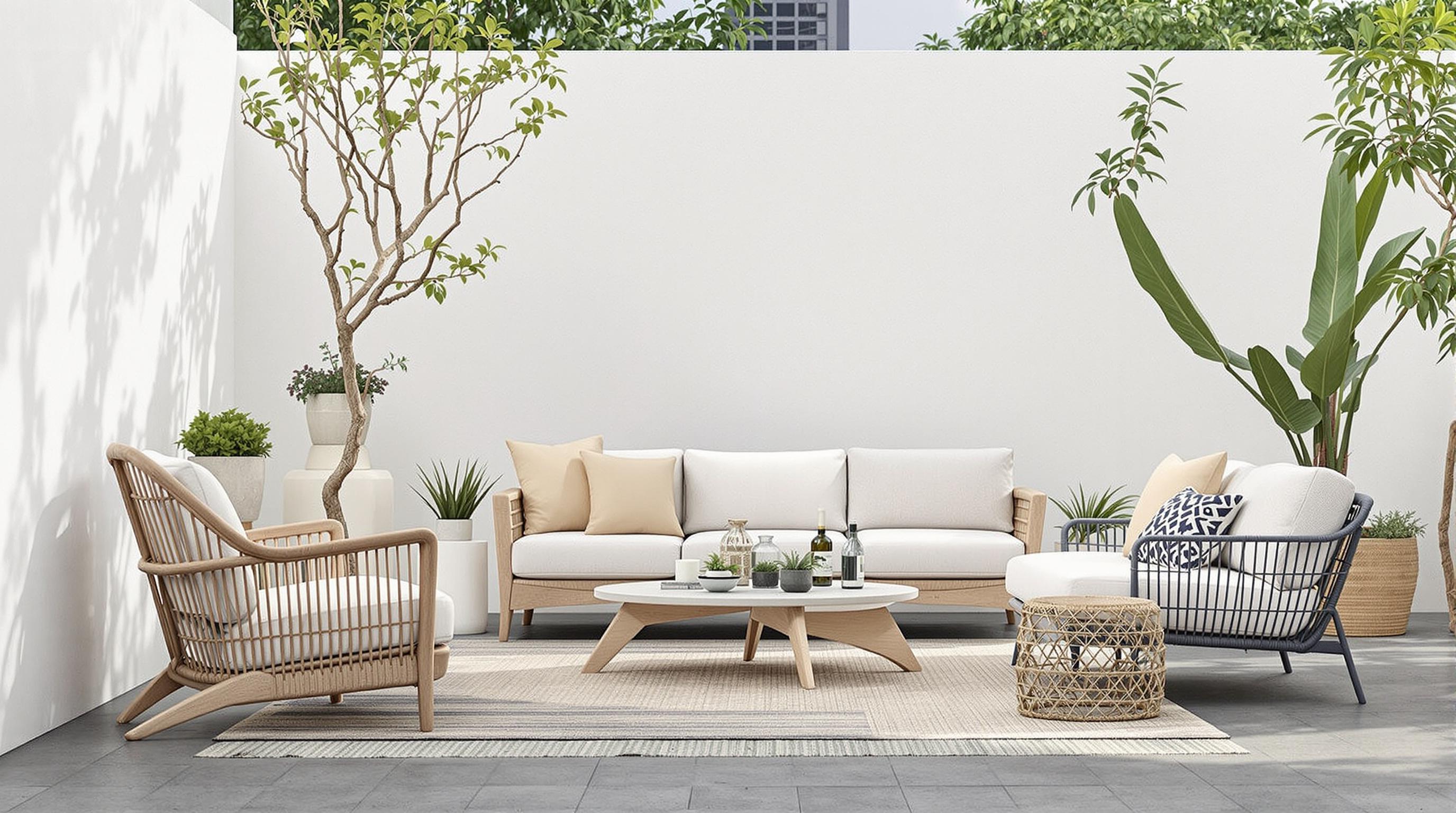
In an age where simplicity is highly valued, minimalist outdoor furniture is taking center stage. Clean lines, neutral color palettes, and a focus on essential forms are appealing to those looking for a serene outdoor space. The minimalist trend not only promotes a calmer atmosphere but also enhances visual clarity in outdoor designs.
Minimalist furniture pieces often emphasize quality over quantity, encouraging consumers to invest in fewer, more durable items. This shift has led brands to create streamlined furniture that retains functionality while eliminating unnecessary frills. Less clutter allows for a more open, relaxing environment, making outdoor spaces feel more expansive.
While minimalism may seem stark at first, it can easily incorporate elements of warmth through the use of natural materials and thoughtful details. Brands like Muji and Loll Designs exemplify this trend, creating pieces that evoke simplicity without sacrificing comfort or style. Homeowners are finding that this aesthetic brings a refreshing and elegant quality to their outdoor settings.
6. Integrated Technology
With the rise of smart home technology, integrating tech into outdoor furniture is becoming increasingly popular. From built-in speakers and USB charging ports to solar panels providing power for devices, modern outdoor furnishings are enhancing the al fresco experience. This trend reflects society's growing dependency on technology, even in outdoor settings.
Outdoor furniture that incorporates technology allows individuals to enjoy the outdoors while remaining connected to the digital world. Brands like The Great Outdoor and Tuu Design are leading in this innovation, creating stylish furniture that seamlessly integrates technology without compromising aesthetics.
The accessibility provided by this integration can encourage more outdoor gatherings and enhance overall enjoyment. Imagine being able to host a movie night under the stars equipped with a sound system built directly into your seating. This trend not only elevates outdoor living experiences but also appeals to a tech-savvy generation eager to merge comfort and connectivity.
7. Local Sourcing and Handmade Craftsmanship
The appreciation for local craftsmanship is gaining traction in the outdoor furniture industry, with consumers leaning towards handmade pieces and locally sourced materials. This trend supports small businesses and artisans, enhancing the uniqueness of outdoor spaces while contributing to local economies.
Handmade outdoor furniture often reflects regional styles and cultural aesthetics, providing a more personalized touch. Homeowners can express their individuality and connection to their communities through these distinctive pieces. Brands like From the Ground Up and Made Trade offer exquisite handmade options that celebrate craftsmanship.
Furthermore, supporting local artisans typically reduces shipping emissions and encourages eco-friendly practices. This trend aligns perfectly with the sustainability movement, allowing consumers to make more ethical choices regarding their outdoor furnishings. The combination of local sourcing and unique craftsmanship promotes a sense of community while enriching the overall outdoor experience.
Read More