Related Articles
- Bizarre Wonders: Crafting Functional Ornaments from Obsolete Household Gadgets and Oddities
- Eco-Chemistry: Innovative Projects Using Upcycled Materials from Your Kitchen for Sustainable Living
- Mystical Metamorphosis: Crafting Enchanted Home Decor from Unwanted Childhood Toys and Forgotten Doll Parts
- Color Cravings: Exploring the Unconventional Links Between Food Choices and Fashion Statements
- Hues of Controversy: The Surprising Ties Between Color Choices and Ethical Consumerism Trends
- Color Waves: Exploring the Impact of Music on Visual Aesthetics in Art and Fashion Choices
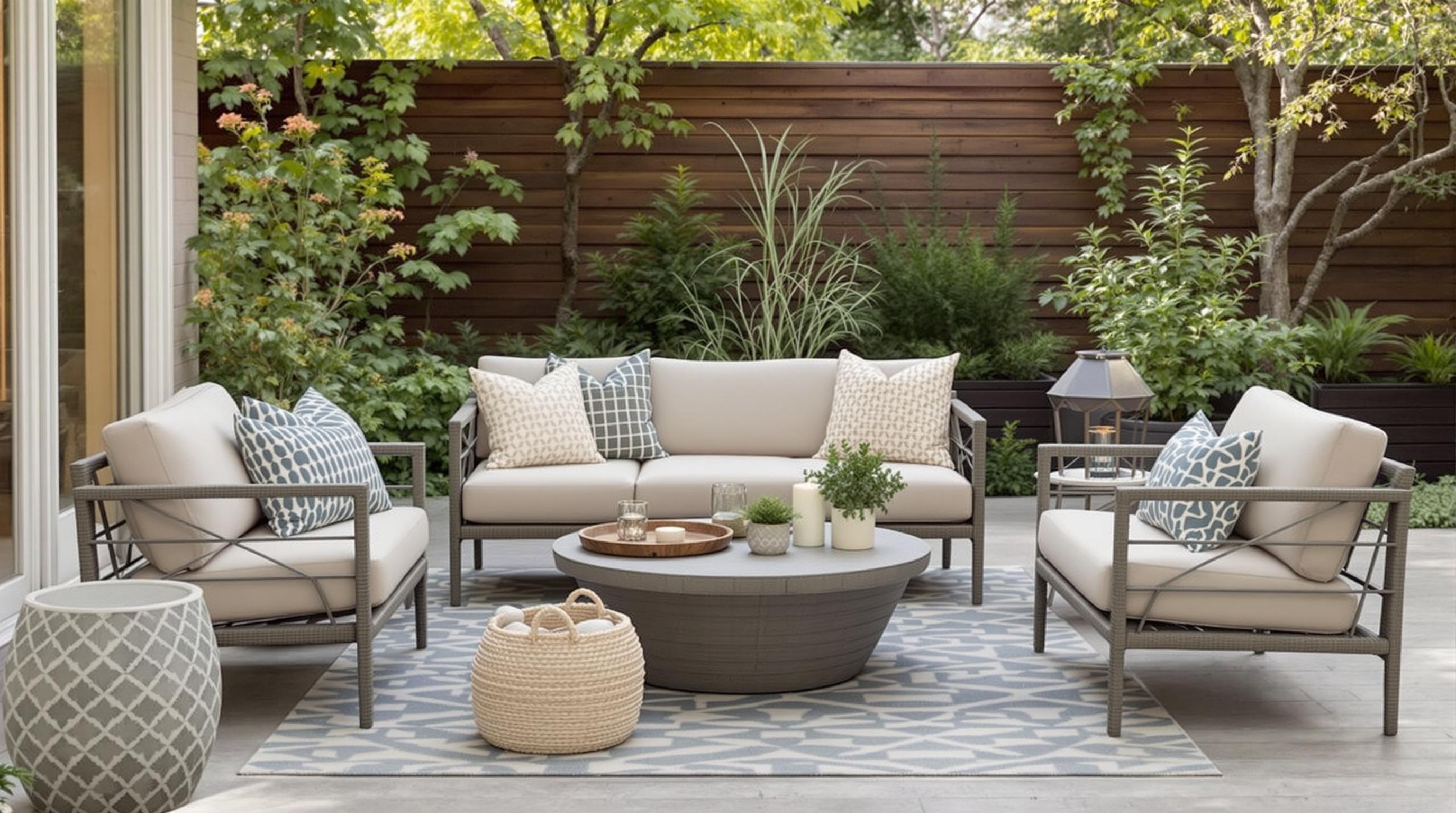
9 Cozy Outdoor Furniture Trends Inspired by Biophilia to Transform Your Patio into a Relaxing Nature Retreat
9 Cozy Outdoor Furniture Trends Inspired by Biophilia to Transform Your Patio into a Relaxing Nature Retreat
9 Cozy Outdoor Furniture Trends Inspired by Biophilia to Transform Your Patio into a Relaxing Nature Retreat
Understanding Biophilia
Biophilia, a term popularized by psychologist Erich Fromm in the 1970s, refers to the innate human affinity for nature and living systems. This connection to the natural environment profoundly influences well-being, creativity, and happiness. Incorporating biophilic design elements in outdoor spaces not only enhances aesthetics but also promotes relaxation and rejuvenation.
The idea behind biophilia is simple: by surrounding ourselves with elements that mimic nature, we cultivate a soothing atmosphere that can help reduce stress and anxiety. This concept applies seamlessly to outdoor furniture design, making your patio not just a functional space but a sanctuary where one can unwind and reconnect with nature.
As design trends evolve, many homeowners are embracing biophilia to create restful outdoor retreats. From organic shapes to natural materials, these trends serve to blur the boundaries between the built environment and nature, enhancing the outdoor experience.
1. Organic Shapes and Curves
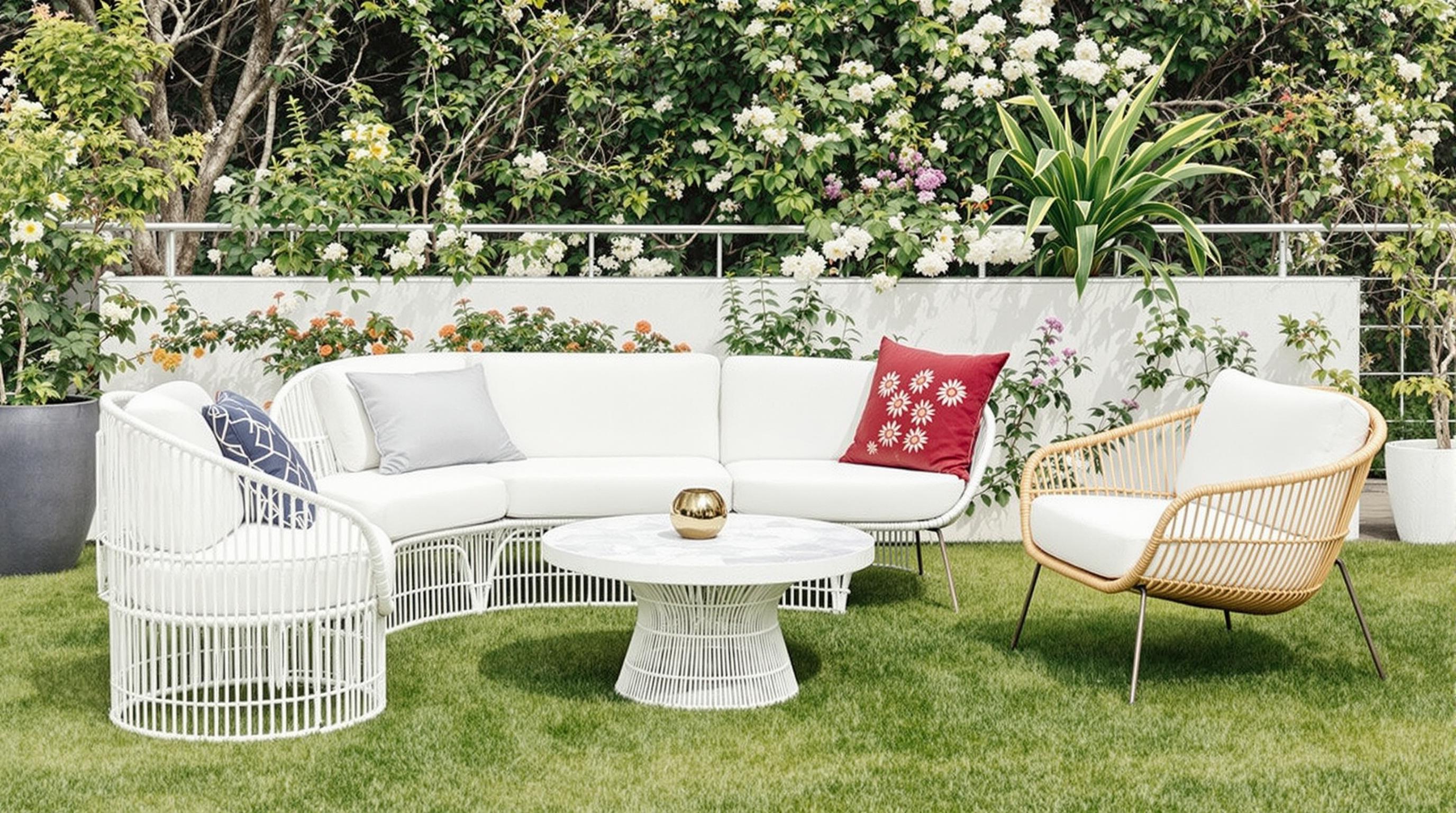
In contrast to the rigid lines of modern furniture, organic shapes are gaining popularity in outdoor spaces. Furniture that mimics the flow of nature, with gentle curves and rounded edges, encourages a relaxed ambiance. This trend allows your patio to feel more inviting and soothing, enhancing the sense of a nature retreat.
One of the key advantages of organic shapes is their ability to promote comfort. Chairs, tables, and loungers with flowing forms instinctively direct you toward a more laid-back posture. This aligns with the biophilic principle of ensuring that humans can relax in a space that feels natural and comfortable.
As you explore options for outdoor furniture, consider pieces that embrace natural forms. Look for chairs that curve like a leaf or tables that mimic the silhouette of a stone. These designs will help create an inviting atmosphere that enhances your connection to nature.
2. Eco-Friendly Materials
As awareness around sustainability grows, eco-friendly materials are becoming a prominent trend in outdoor furniture. Furniture crafted from reclaimed wood, recycled metal, or sustainable bamboo are not only better for the environment but also add a rustic charm to your patio.
Using eco-conscious materials aligns perfectly with biophilic design principles by promoting sustainability and environmental responsibility. These materials often showcase natural textures and colors, creating a seamless integration with the surroundings. This helps foster a feeling of harmony between the outdoor living space and the natural world.
Furthermore, furniture made from eco-friendly materials typically comes with enhanced durability and longevity, ensuring your investment withstands outdoor elements while remaining attuned to nature. When shopping for outdoor pieces, look for certifications and labels that confirm sustainable sourcing and production practices.
3. Earthy Tones and Textures
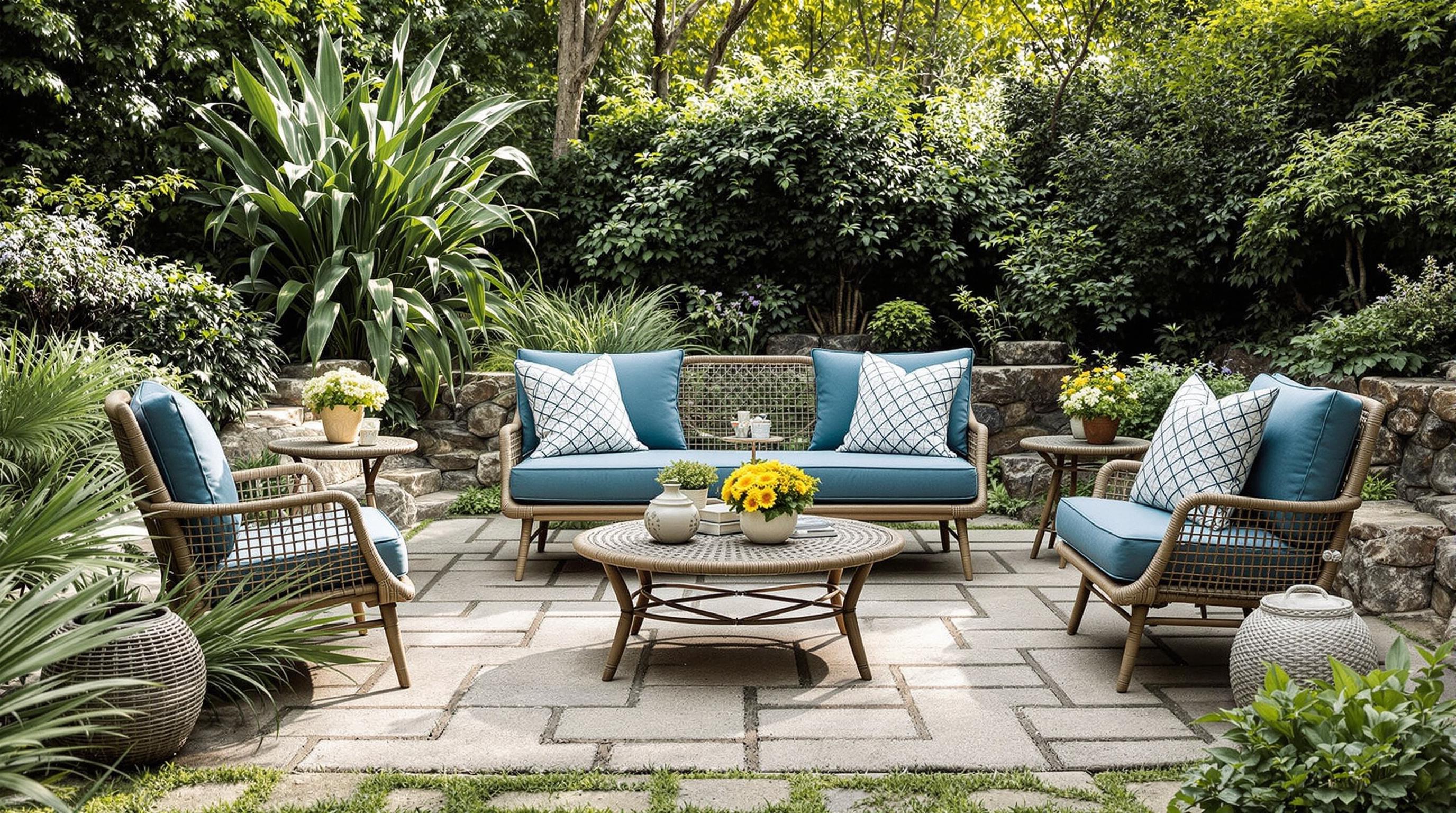
Color and texture play a critical role in creating a serene outdoor atmosphere. Earthy tones such as greens, browns, and soft blues evoke a sense of calm and tranquility reminiscent of natural landscapes. These colors can help to blur the lines between your patio and the environment.
The trend of incorporating natural, tactile textures into outdoor furniture is also essential in achieving a biophilic design. Materials like wicker, rattan, and weathered wood not only provide a visual connection to nature but also invite touch—a sensory experience that further fosters relaxation.
Selecting furniture that incorporates these colors and textures allows you to create a cohesive look that enhances the natural beauty of your surroundings. Layering different textures through cushions and throws can further amplify the inviting nature retreat vibe.
4. Multi-Functional Designs
As outdoor spaces become more integral to our living environments, multi-functional furniture is becoming a significant trend. Pieces that serve multiple purposes, such as benches with storage or tables that can extend for larger gatherings, maximize utility while maintaining a clean aesthetic.
Biophilic design encourages flexibility and adaptability, enabling outdoor spaces to transform to suit various needs. Multi-functional designs allow individuals to reconfigure their patios easily for social gatherings, quiet moments, or family events, aligning with the notion that nature should enhance everyday living.
When selecting multi-functional furniture for your outdoor haven, prioritize those crafted from durable materials and designs that can withstand seasonal changes. Such versatility ensures your patio remains a favorite retreat throughout the year.
5. Cozy Seating Arrangements
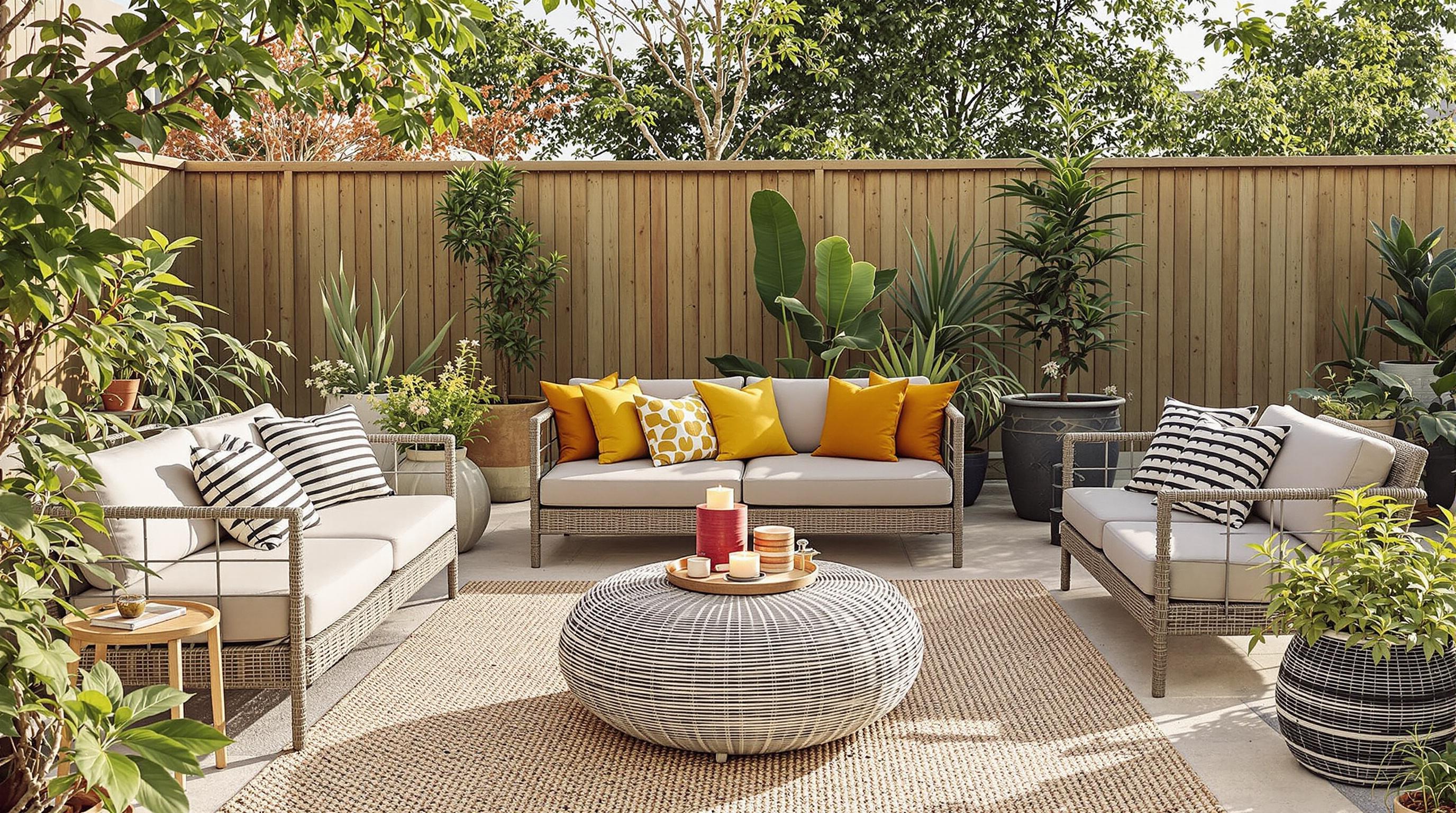
Comfort is paramount when it comes to creating a cozy outdoor furniture setting. Comfortable seating, like patio sofas, oversized chairs, and hammocks, invites prolonged use and relaxation in your outdoor space. These areas serve as gathering spots for friends and family or quiet retreats for solo time.
Biophilic design encourages incorporating generous cushions and soft textiles into outdoor seating to enhance comfort. Outdoor furniture that mimics the inviting feel of your indoor space fosters a welcoming atmosphere that encourages people to engage more with the natural world around them.
Choose a variety of seating options to create an inviting and adaptable outdoor area. Mix and match seating styles and arrangements to suit various occasions while keeping comfort at the forefront.
6. Integrated Nature Features
One of the most potent ways to embrace biophilic design is by incorporating nature directly into outdoor furniture through integrated features. Elevated planters, trellises, or built-in gardens are trending elements that can transform ordinary furniture into living, breathing spaces.
Furniture that integrates plants not only enhances beauty but also promotes mental well-being. The presence of greenery is known to reduce stress levels and improve air quality, effectively creating a serene and refreshing outdoor oasis.
When considering pieces that feature integrated nature elements, ensure they provide adequate support for plant life while complementing your overall outdoor decor. Use this trend to blend furniture, nature, and art, designing a unique retreat that is both functional and visually captivating.
7. Outdoor Lighting Solutions
As we seek to extend the usability of outdoor spaces beyond sunlight hours, outdoor lighting solutions are becoming increasingly popular. Soft, ambient lighting such as string lights, lanterns, and solar-powered fixtures can enhance the overall aesthetic and create a tranquil atmosphere essential for relaxation.
Integrating thoughtful lighting designs draws attention to nature and creates focal points throughout your patio. This aligns with biophilic principles as it encourages individuals to feel more connected to their environment, enhancing the nighttime ambiance and promoting a sense of tranquility.
When exploring outdoor lighting options, choose energy-efficient solutions and aim for a warm glow to foster a cozy atmosphere. Consider layering different sources of light to create depth and warmth throughout your outdoor space.
8. Natural Fire Features
Firepits and outdoor fireplaces have become central attractions in outdoor living spaces, serving as gathering points for family and friends. The inclusion of natural fire features resonates strongly with biophilic design, as they evoke comfort and warmth reminiscent of traditional campfires.
Using sustainable materials for fire features aligns with eco-conscious practices while adding an element of relaxation and ambiance. The soothing flicker of flames invites conversation and interaction, making your patio space feel inviting and homely.
Consider incorporating a fire feature that complements your existing furniture and design aesthetic. Whether it’s a modern tabletop fire pit or a rustic stone fireplace, ensure that it enhances your outdoor experience and encourages connection with nature.
9. Personalization and Cultural Elements
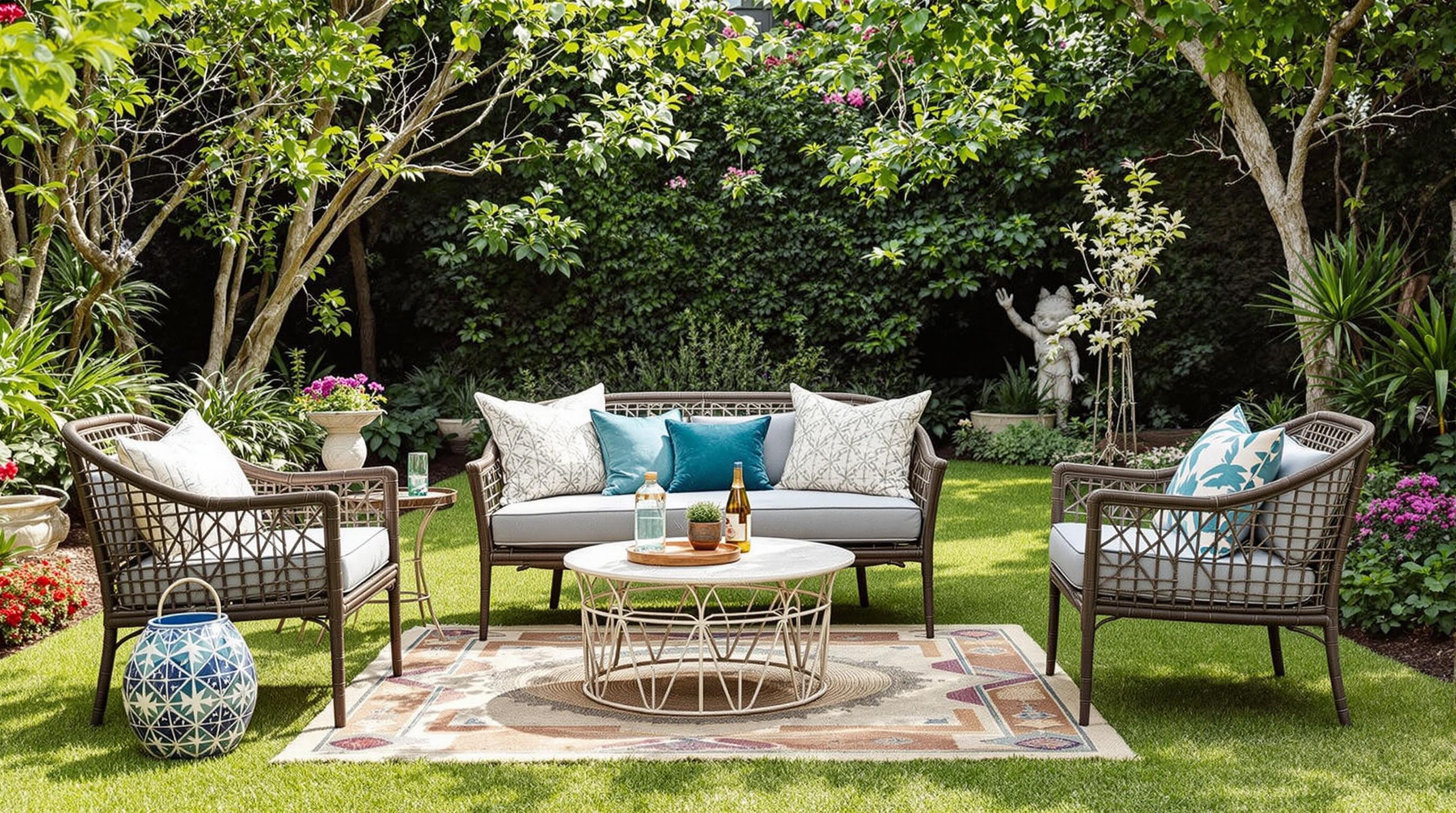
Personalizing your outdoor space with cultural elements and decor can reflect your identity while connecting to nature. Artisanal pieces, locally sourced materials, or handmade textiles can add a unique charm to your patio, bridging cultural influences with nature-inspired elements.
This cultivation of personal touch resonates with biophilic design principles, as it allows individuals to craft spaces that reflect their experiences and connections to the environment. It encourages meaningful engagements with nature and enhances the overall ambiance of your outdoor retreat.
When integrating these elements, consider items that tell your unique story or represent cultural significance. This trend will not only transform your patio but also create a deeper emotional connection to your outdoor haven.
Read More