Related Articles
- Bizarre Wonders: Crafting Functional Ornaments from Obsolete Household Gadgets and Oddities
- Eco-Chemistry: Innovative Projects Using Upcycled Materials from Your Kitchen for Sustainable Living
- Mystical Metamorphosis: Crafting Enchanted Home Decor from Unwanted Childhood Toys and Forgotten Doll Parts
- Color Cravings: Exploring the Unconventional Links Between Food Choices and Fashion Statements
- Hues of Controversy: The Surprising Ties Between Color Choices and Ethical Consumerism Trends
- Color Waves: Exploring the Impact of Music on Visual Aesthetics in Art and Fashion Choices
The Unseen Connection: How Outdoor Furniture Shapes Community Interaction and Urban Landscapes
The Unseen Connection: How Outdoor Furniture Shapes Community Interaction and Urban Landscapes
The design and placement of outdoor furniture play a pivotal role in fostering community interaction and shaping urban landscapes. This article explores how these seemingly mundane elements not only enhance aesthetic appeal but also invite engagement, promote social ties, and facilitate community building.
Introduction: The Heart of the Community
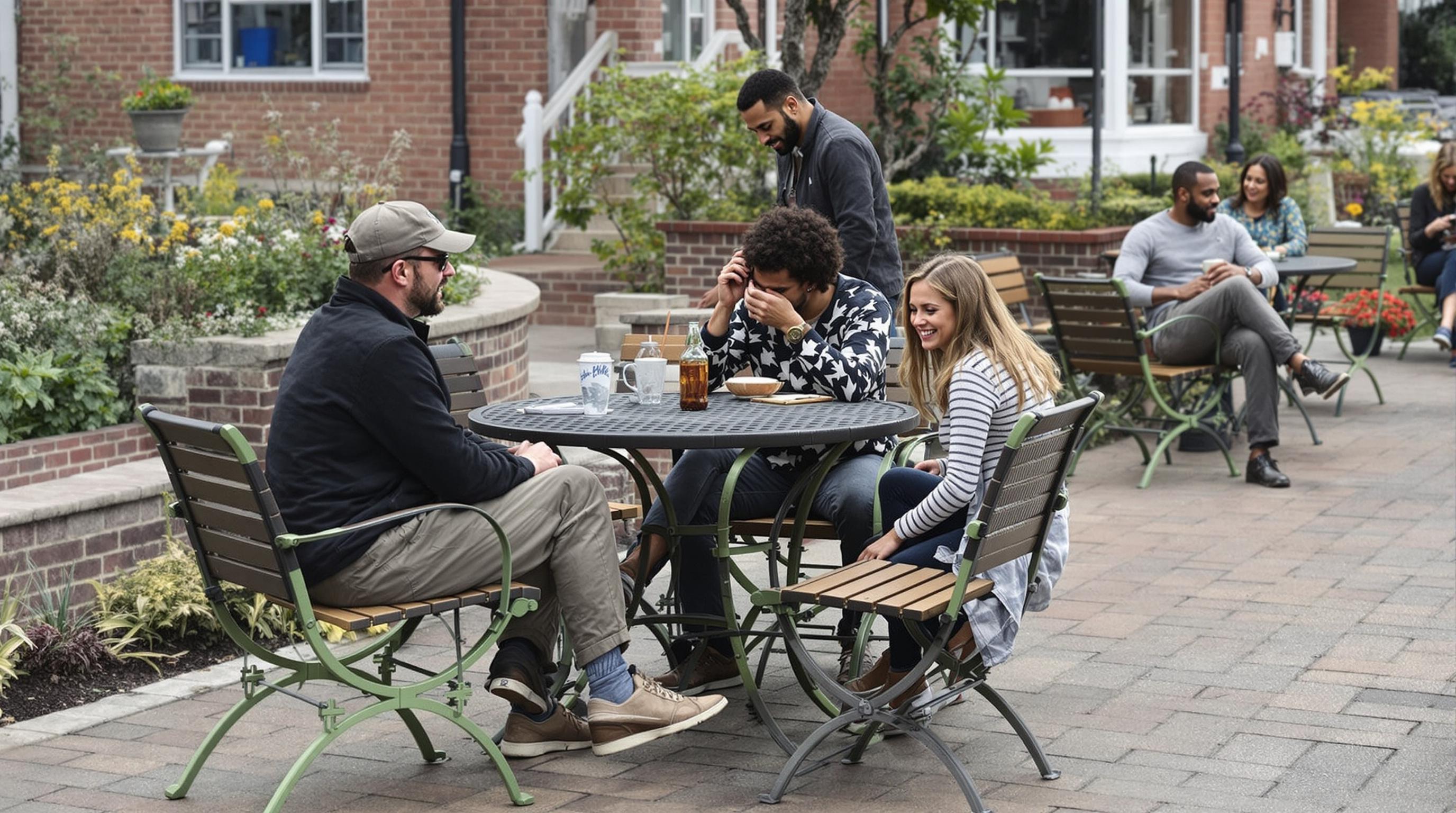
Imagine walking through a bustling city park on a warm sunny day. Families are lounging on colorful benches, friends are gathering around picnic tables, and strangers are meeting and engaging in spontaneous conversations. It’s in these moments that outdoor furniture comes to life, serving as more than just sitting places but as pivotal components of urban interaction.
The Roots of Urban Design
Historically, urban spaces were designed with the needs of the people in mind. Streets were lined with benches, squares filled with tables, and parks adorned with inviting seating options. However, as cities evolved, often prioritizing narrow objectives like traffic flow and commercial enterprise, the social fabric of urban life began to fray.
According to a 2020 study by the Urban Institute, 70% of respondents believe that well-designed public spaces enhance their quality of life. Despite this consensus, many urban planners still underestimate the significance of outdoor furniture. Some cities have taken note and are now investing wisely in integrated seating for parks and plaza areas.
City Case Study: New York’s Bryant Park
Take New York City's Bryant Park as a prime example. Once a neglected space, it was transformed in the early 1990s into a vibrant community hub through strategic landscaping and the inclusion of movable furniture. The park now sees millions of visitors annually, and its design encourages various interactions—from reading a book on a sunny afternoon to enjoying a free movie night amidst friends. Many attribute this success to the accessibility and flexibility that furniture provides.
Fostering Social Connections
What happens when you put a bench in a public space? It’s more than just a need for rest; it becomes a social catalyst. Studies show that outdoor furniture encourages people to linger, creating opportunities for interaction.
In fact, the National Recreation and Parks Association (NRPA) emphasizes that green spaces with plentiful seating promote not just physical activity, but also mental wellness, by providing residents with environments conducive to relaxation and camaraderie. Outdoor furniture essentially acts like glue, binding everyone from joggers to young families, facilitating connections that otherwise might never occur.
Why Comfort Matters
Let’s face it: no one wants to sit on an uncomfortable bench! A well-designed piece of outdoor furniture ought to balance comfort and aesthetic; it needs to invite interaction. According to research by the American Society of Landscape Architects, inviting public spaces significantly increase pedestrian activity, which in turn stimulates economic growth within a community.
So, what does comfortable outdoor furniture look like? Think ergonomic designs that accommodate diverse body types and tailored fabrics that can withstand the elements while still being inviting. Function and aesthetics can coalesce beautifully when thoughtfully curated.
Outdoor Furniture and Urban Identity
Cities have unique characters, and outdoor furniture contributes significantly to this identity. The furniture we choose to showcase in our public arenas tells a story, reflecting local culture, history, and values.
Consider Barcelona, where outdoor furniture is often inspired by the city’s famous Gaudí architecture. Each piece tells a story—of artistic rebellion against conventional design—and creates a cohesive identity that resonates with residents and tourists alike. By incorporating local elements into outdoor furniture design, cities can bolster community pride and ultimately deepen social ties.
Encouraging Inclusivity
Outdoor furniture must cater to the diverse demographics of urban populations. Both accessibility and affordability are fundamental components in creating inclusive spaces. If public parks feature well-designed benches that accommodate people of all ages and abilities, then they become inviting to everyone—single mothers, seniors, and young adults alike.
Portable, multi-purpose furniture can also enhance inclusivity. For instance, during community events, movable seating can quickly transform a space, allowing for the collaboration of different groups, thus eroding barriers between them.
The Humor in Furniture
Now, let's lighten up for a moment! Have you ever been caught in an awkward conversation on a public bench? You know the one where the other person just wouldn’t stop talking while you desperately tried to linger on your phone? A creatively designed outdoor space with interesting seating arrangements and fun furniture could alleviate such discomfort! Imagine quirky chairs that invite curiosity and foster laughter instead of silence. Isn’t that an essential ingredient for community interaction?
Sustainability: The New Frontline
As our planet's climate crisis deepens, eco-friendly outdoor furniture has become a cornerstone of sustainable urban design. Furniture made from recycled materials and sustainable woods not only helps reduce the carbon footprint but also fosters a sense of community responsibility.
A survey conducted by Planet Natural revealed that around 85% of consumers were willing to spend more on sustainable options. To foster community interaction, cities can host events to highlight local artisans creating sustainable outdoor furniture, thus connecting the community to its environment while promoting responsible consumerism.
Leading by Example: Global Cities Transforming Outdoor Spaces
Glancing around the globe, cities like Copenhagen and Melbourne serve as inspiring case studies of how outdoor furniture has unified communities. Copenhagen’s commitment to pedestrian-friendly spaces incorporates ample public seating that promotes social interaction, with many of its benches adorned with art installations that marry functionality and expression.
In Melbourne, the “Parklets” initiative transforms metered parking spaces into mini public parks complimented with outdoor furniture that invites relaxation, reflection, and community engagement. This program has created new social hubs and has seen business communities rally around these spaces, fostering a culture of interaction and collaboration.
Statistics Speak Volumes
In recent years, studies have parsed out the myriad benefits of outdoor furniture in urban settings—one key statistic stands out: cities that prioritize outdoor public spaces report an increase in community satisfaction by up to 30%. What does that mean for city planners? Investing in outdoor furniture is not merely about aesthetics; it’s also about building livable, thriving communities.
A Call to Action: Rethinking Outdoor Spaces
So, let’s not leave the future of our public environments at the mercy of sprawl or industrial-grade materials. As community advocates, we can rally together to urge urban planners to consider the psychological and social benefits of outdoor furniture when designing parks, plazas, and streetscapes.
Let’s demand spaces that foster interaction and promote inclusivity. Speak to your local city council about including well-designed, adaptable outdoor furniture in urban spaces. Participate in community forums that discuss public space improvements; let your voice be heard. Change begins when we acknowledge the power of these silent, yet crucial elements of our cities.
Conclusion: The Role of Outdoor Furniture in Urban Culture
Outdoor furniture is an often-overlooked aspect of urban design, but it plays a monumental role in shaping community interaction and urban landscapes. From creating a sense of identity to fostering inclusivity and sustainability, it is essential that urban planners, community members, and policymakers work together to reimagine how outdoor spaces are used and designed, transforming our cities into vibrant, interactive sanctuaries.
In the end, let’s cherish the bench, the table, and the chair—we may just find that these everyday objects harbor the transformative power to unite us all.
Read More