Related Articles
- Bizarre Wonders: Crafting Functional Ornaments from Obsolete Household Gadgets and Oddities
- Eco-Chemistry: Innovative Projects Using Upcycled Materials from Your Kitchen for Sustainable Living
- Mystical Metamorphosis: Crafting Enchanted Home Decor from Unwanted Childhood Toys and Forgotten Doll Parts
- Color Cravings: Exploring the Unconventional Links Between Food Choices and Fashion Statements
- Hues of Controversy: The Surprising Ties Between Color Choices and Ethical Consumerism Trends
- Color Waves: Exploring the Impact of Music on Visual Aesthetics in Art and Fashion Choices
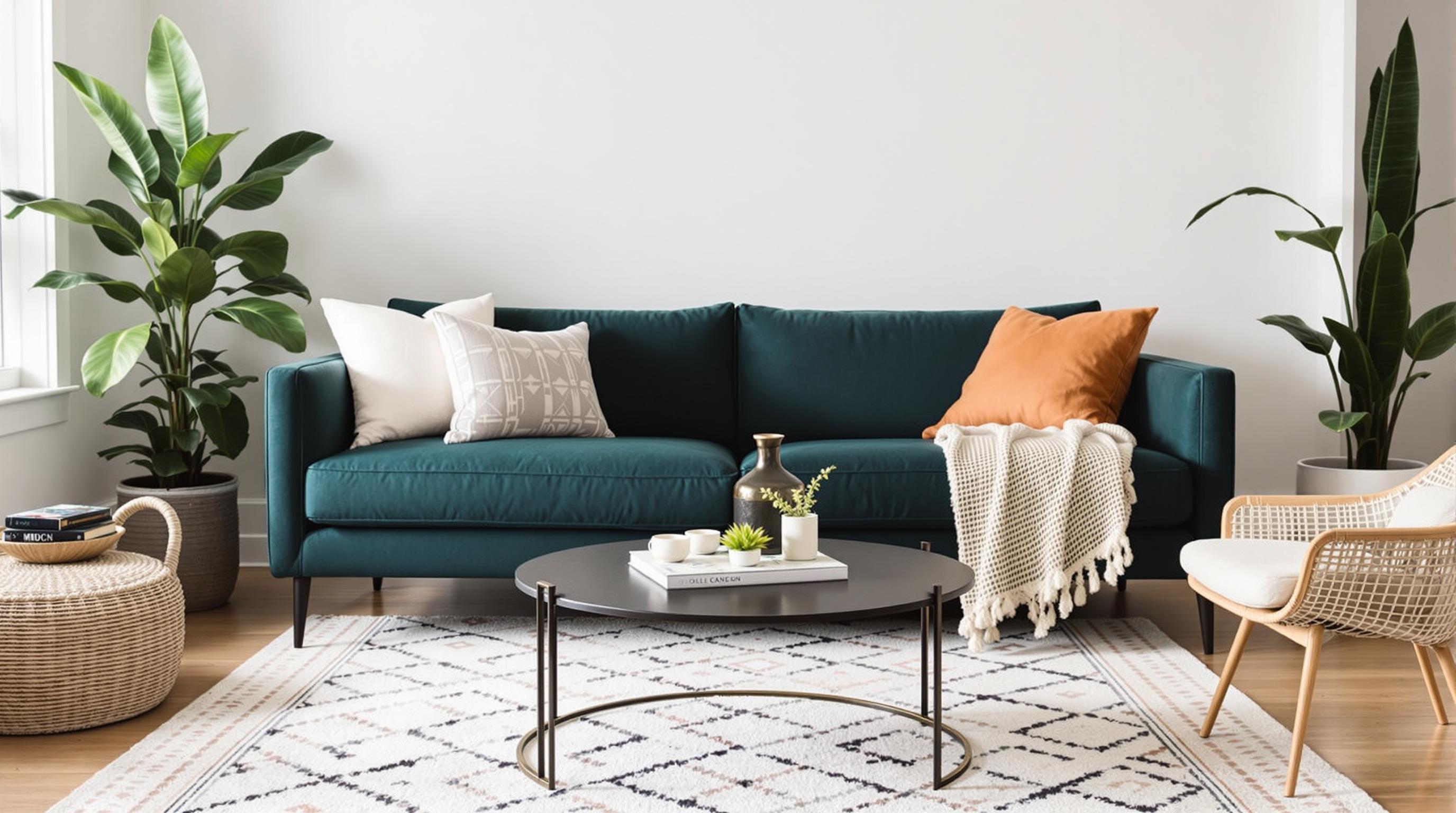
9 Surprising Ways to Elevate Your Living Room with Sustainable Materials and Ethically Sourced Decor Choices
9 Surprising Ways to Elevate Your Living Room with Sustainable Materials and Ethically Sourced Decor Choices
9 Surprising Ways to Elevate Your Living Room with Sustainable Materials and Ethically Sourced Decor Choices
1. Embrace Reclaimed Wood
Reclaimed wood is an exceptional way to add character to your living room while being environmentally conscious. This material, often sourced from old barns, shipping pallets, or demolished homes, tells a story of its own, bringing warmth and texture to your space. Imagine a coffee table with weathered edges or shelves made from vintage beams, each piece holding memories of its past.
Not only does reclaimed wood reduce landfill waste, but it also minimizes the demand for new timber, therefore preserving forests. According to the World Wildlife Fund, sustainable forest management is crucial for ecological balance. By choosing furniture crafted from reclaimed wood, you support the preservation of our planet's resources while curating a distinctively chic space.
When shopping for reclaimed wood products, look for certifications or labels indicating that the materials are ethically sourced. Many artisans and companies prioritize transparency in their sourcing practices, so don’t hesitate to ask about the journey of your chosen piece.
2. Introduce Natural Fibers
Naturally sourced materials, such as jute, sisal, and organic cotton, can transform your living room's aesthetics while providing a sustainable alternative to synthetic textiles. Whether you opt for rugs, cushions, or curtains, using natural fibers enhances comfort and adds a touch of organic elegance. The tactile experience of these materials is often unmatched, bringing a sense of connection to nature into your space.
Moreover, natural fibers are biodegradable, making them a healthier choice for the environment. The production of these materials generally entails less harmful chemicals compared to their synthetic counterparts. Organizations such as the Global Organic Textile Standard advocate for environmentally-friendly practices in fiber production, ensuring your choices contribute positively to our planet.
To elevate your decor further, consider mixing various natural materials. A jute rug paired with cotton throw pillows and a sisal basket can create a layered effect, enriching the visual intrigue of your living room while maintaining an eco-friendly focus.
3. Infuse Your Space with Indoor Plants
Adding indoor plants is perhaps one of the simplest yet most effective ways to elevate your living room. Not only do they purify the air, but they also instill life into your decor. Plants like snake plants, pothos, and peace lilies are not just low-maintenance options; they also thrive indoors, making them perfect companions for your living room.
Beyond aesthetics, incorporating greenery can enhance your mood and well-being. Studies show that indoor plants can reduce stress and boost productivity, aligning well with our desire for spaces that nurture and uplift us. Research from the Journal of Environmental Psychology supports the notion that contact with nature, even in small doses, can have significant benefits for mental health.
When selecting plants, consider sourcing from local nurseries or those that adhere to sustainable practices, ensuring that your greenery is not just beautiful but also ethically obtained.
4. Opt for Vintage Furniture
Vintage furniture pieces add a unique charm to your living room while promoting sustainability through reuse. Each vintage item comes with its history, and when incorporated into your decor, it can tell a story—creating conversation starters and a sense of continuity across time. From mid-century modern chairs to antique side tables, vintage finds inject personality into your space.
Moreover, buying vintage is an excellent way to divert waste from landfills, helping to lessen the impact of contemporary production methods that can often be harmful to the environment. Websites like Chairish and local thrift shops can be treasure troves for finding stunning vintage decor pieces.
Before making a purchase, check for any repairs needed and consider the sustainability of restoring an older piece versus buying new. Often, the act of restoring vintage furniture itself becomes a part of the piece’s story, adding to its value.
5. Choose Eco-Friendly Paints
Utilizing eco-friendly paints is a subtle yet powerful way to refresh your living room without compromising on health or the environment. Traditional paints often contain volatile organic compounds (VOCs), which can contribute to indoor air pollution. Eco-friendly alternatives contain fewer harmful chemicals, providing not just a safer atmosphere but also reducing the environmental footprint of your decor choice.
Brands like Benjamin Moore and Farrow & Ball offer a range of low-VOC and zero-VOC paints that are both aesthetically pleasing and sustainable. The addition of pigments derived from natural and organic sources allows for a plethora of colors while maintaining eco-friendliness.
When redecorating, consider the significance of color psychology in your space. Soft, soothing colors may promote relaxation, while brighter hues could energize your living environment, enhancing the overall emotional quality of your room.
6. Incorporate Upcycled Materials
Upcycling offers an innovative way to repurpose old items into new treasures. By transforming everyday objects into functional decor, you breathe new life into materials that might have otherwise ended up in a landfill. Whether it’s converting glass jars into candle holders or reimagining old crates as stylish side tables, the possibilities are endless.
Etsy is an excellent platform for finding artisans who specialize in upcycled products, ensuring that you not only obtain unique decor but also support small businesses committed to sustainability. Upcycled decor carries with it an essence of creativity, as each piece is a testament to how resourcefulness can lead to beautiful outcomes.
As you delve into upcycling, let your imagination guide you. Gather inspiration from online tutorials or design blogs that celebrate the joy of reinventing items, and every small project will further connect you to the environmental cause.
7. Use Ethically Sourced Textiles
Textiles made from sustainable materials, such as linen, hemp, or organic cotton, can significantly elevate your living room while ensuring socially responsible production practices. These textiles not only boast lovely textures and designs but are also produced with less harm to the environment compared to conventionally made fabrics.
Look for certifications like OEKO-TEX or Global Organic Textile Standard (GOTS) when choosing textiles to ensure they meet ethical production standards. Many companies have stepped forward in their commitment to transparency and sustainability, making it easier to find beautiful options for your space.
To embrace this ethos fully, consider mixing and matching different patterns and textures, crafting a cozy yet diverse look that sings of sustainability and heartfelt style in your living room.
8. Invest in Handcrafted Items
Handcrafted decor not only supports artisans but also ensures that each piece is unique and thoughtfully made. Artisans often emphasize traditional techniques and sustainable practices, resulting in items that are as ethical as they are beautiful. From handwoven baskets to pottery, these items can add a special touch of character to your living room.
Supporting local artisans and craftspeople nurtures community economies and encourages the preservation of cultural traditions. By investing in handcrafted decor, you opt for items that resonate with passion and authenticity, making your living space more than just a collection of objects.
As you curate your space, take the time to learn about the artisans behind your chosen pieces. Many artists have fascinating stories and practices that add depth and meaning to your home decor.
9. Select Energy-Efficient Lighting
Lighting sets the tone in any living room and choosing energy-efficient options can make a significant impact. Light-emitting diode (LED) bulbs and compact fluorescent lamps (CFLs) consume less energy and have a longer lifespan, making them both an eco-friendly and cost-effective choice for your lighting needs.
Incorporating sustainable lighting doesn't have to compromise style; beautiful lampshades made from natural materials or vintage light fixtures can bring elegance while enhancing the ambiance of your space. Consider using dimmers to reduce energy consumption further and create a cozy atmosphere perfect for relaxing.
Pay attention to the placements and layers of your lighting. Combining ambient, task, and accent lighting can transform your living room into a beautifully lit sanctuary, all while sticking to your sustainability goals.
Read More