Related Articles
- Bizarre Wonders: Crafting Functional Ornaments from Obsolete Household Gadgets and Oddities
- Eco-Chemistry: Innovative Projects Using Upcycled Materials from Your Kitchen for Sustainable Living
- Mystical Metamorphosis: Crafting Enchanted Home Decor from Unwanted Childhood Toys and Forgotten Doll Parts
- Color Cravings: Exploring the Unconventional Links Between Food Choices and Fashion Statements
- Hues of Controversy: The Surprising Ties Between Color Choices and Ethical Consumerism Trends
- Color Waves: Exploring the Impact of Music on Visual Aesthetics in Art and Fashion Choices
6 Mindful Living Room Strategies: Harmonizing Comfort and Serenity for a Soulful Home Sanctuary
6 Mindful Living Room Strategies: Harmonizing Comfort and Serenity for a Soulful Home Sanctuary
6 Mindful Living Room Strategies: Harmonizing Comfort and Serenity for a Soulful Home Sanctuary
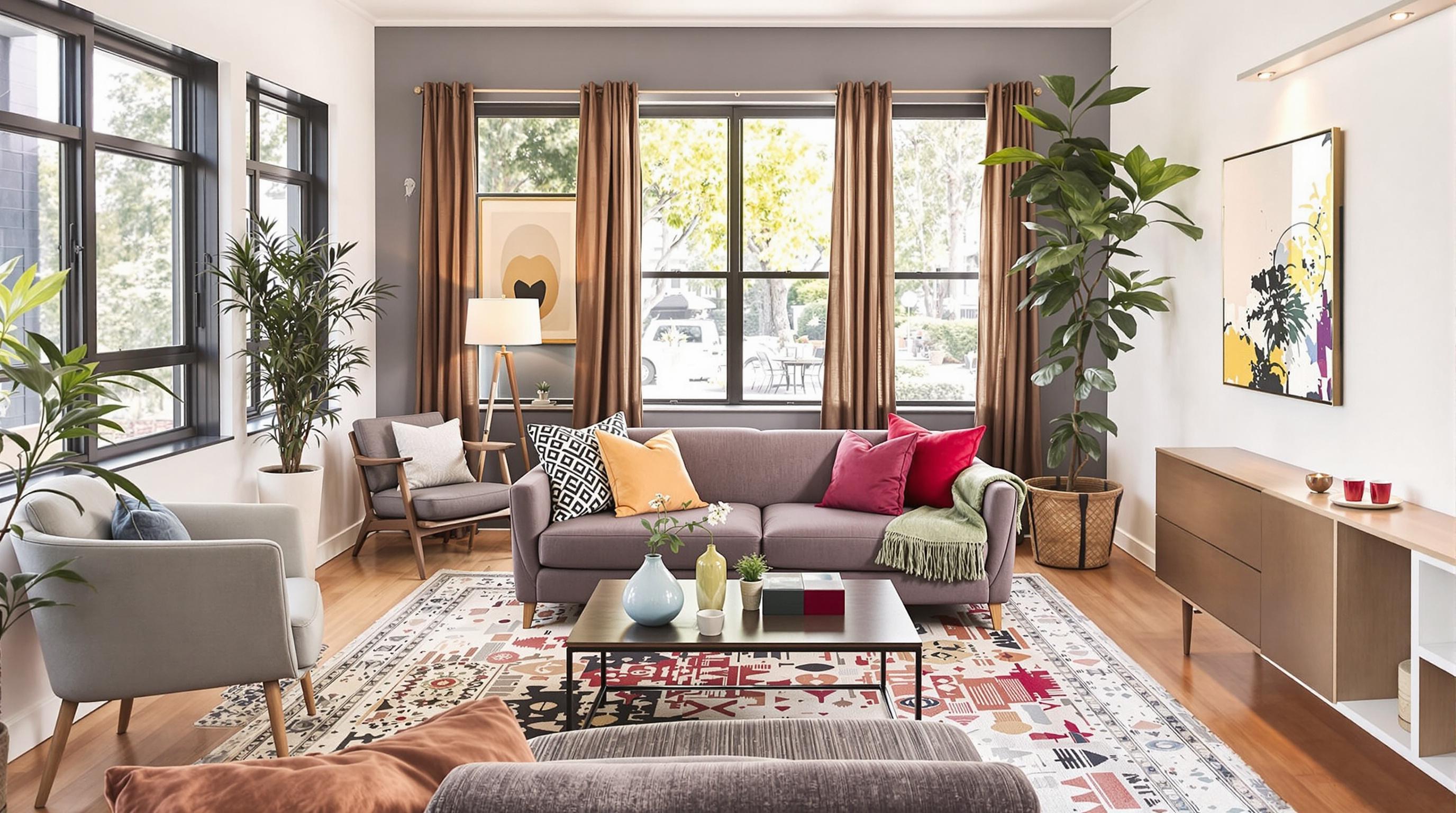
1. Embrace Natural Light
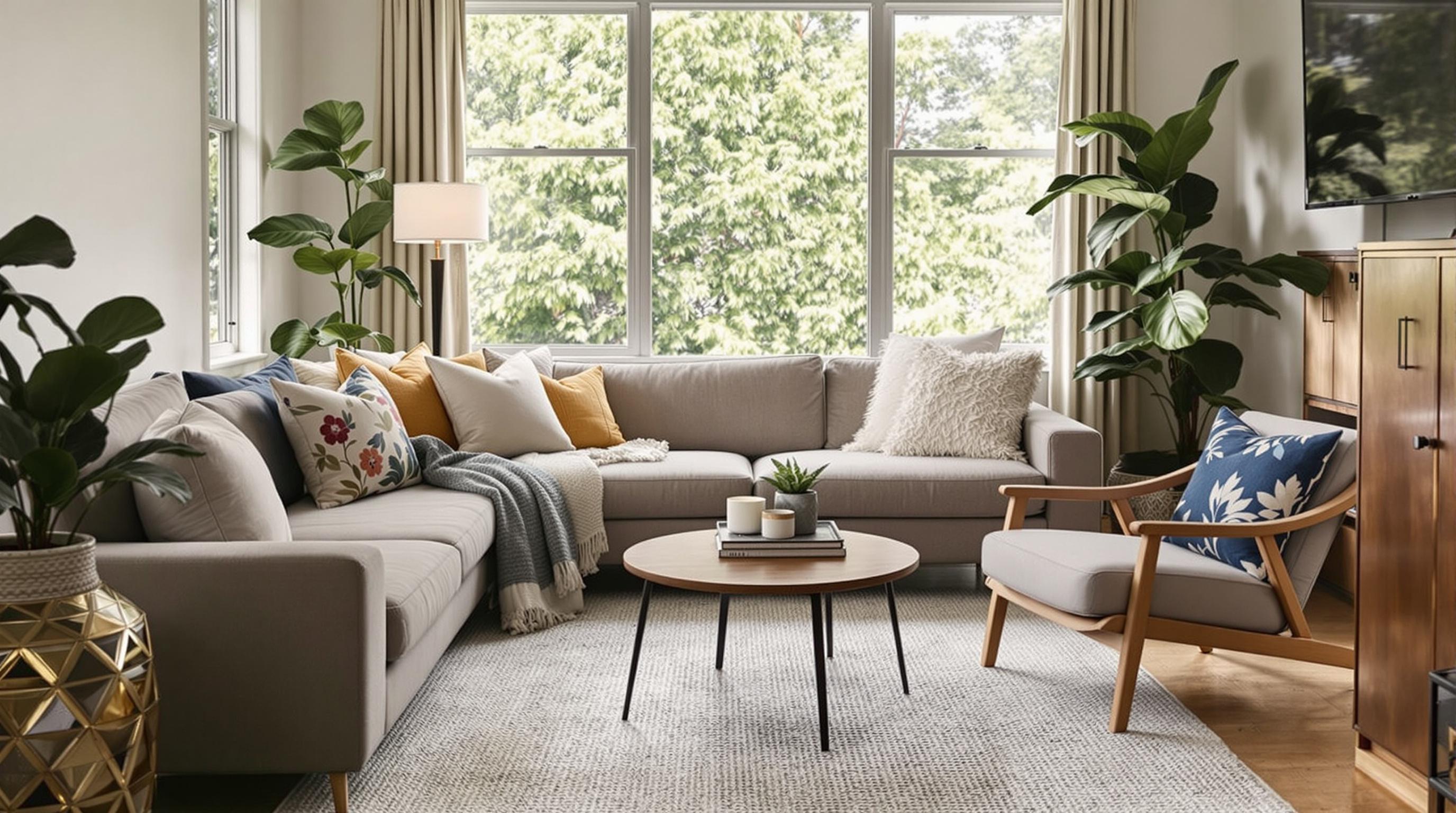
Natural light is a powerful element in creating a serene living space. It not only enhances your mood but also contributes to your overall well-being. Make an effort to let as much daylight in as possible by using light, airy curtains or opting for shades that can easily be pulled back.
Consider positioning mirrors strategically to reflect natural light into darker areas of your living room. This maximizes the light's effect and creates an illusion of a larger, more open space, promoting a sense of tranquility.
In addition to aesthetics, exposure to natural light can help regulate your body’s circadian rhythm, improving sleep and overall health (Wright et al., 2013). Make your living room a bright haven that invites positivity and peace.
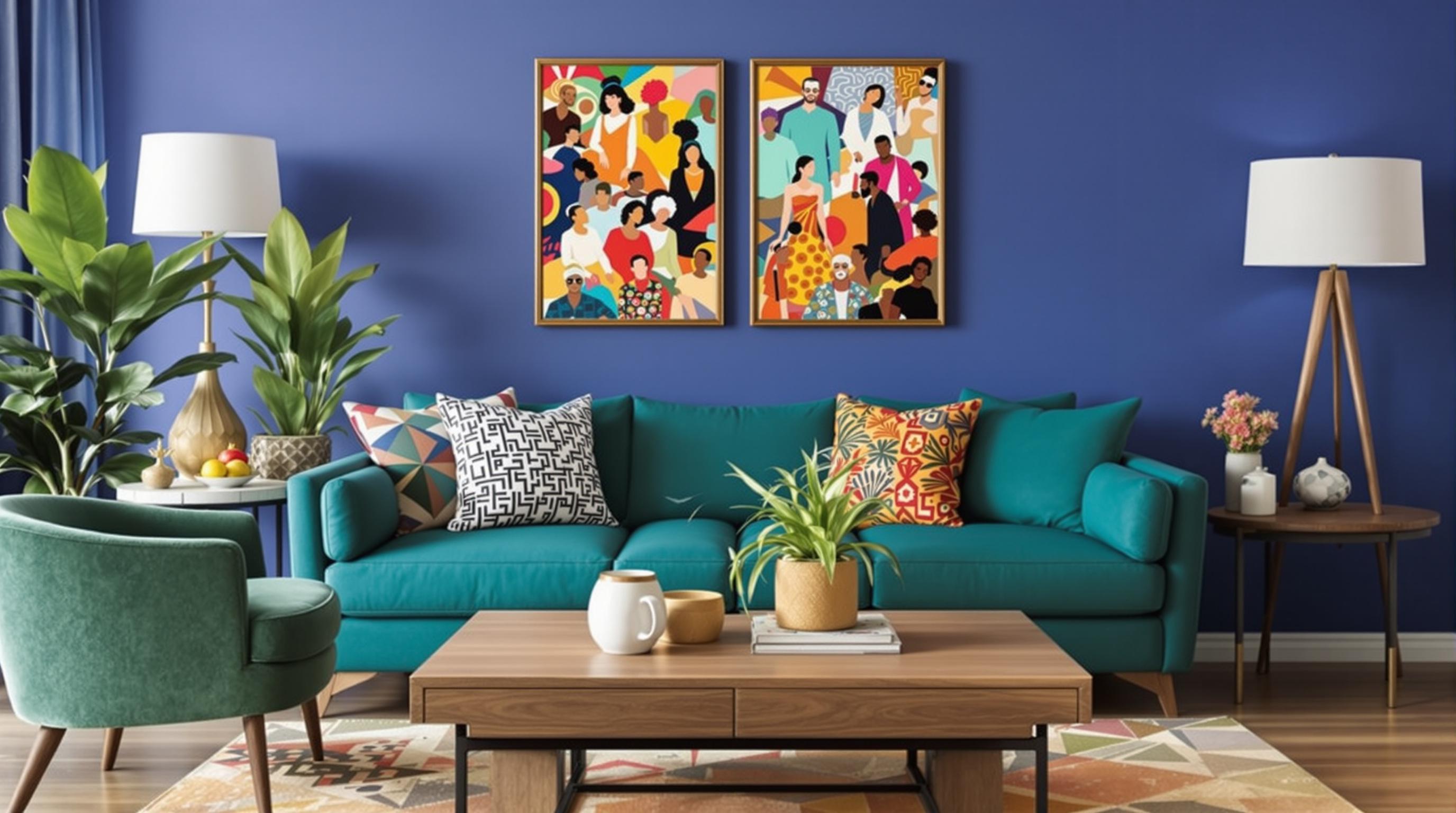
2. Choose Soothing Colors
The colors you choose can significantly impact your mood and feelings of relaxation. Soft blues, greens, and warm neutrals are known to evoke calmness and serenity. When selecting paints, furnishings, and decor, think about how each color makes you feel.
Implementing a cohesive color palette throughout your living room can bring a sense of unity and peace. You might choose a subtle accent wall with a calming hue or select throw pillows and art that aligns with your chosen theme.
Research has shown that colors can influence emotions, with softer tones tending to create a more peaceful environment (Kaya & Epps, 2004). Your living room should be a refuge for the senses, and color plays a key role in this strategy.
3. Incorporate Natural Elements
Bringing the outside in is a great way to enhance mindfulness in your living space. Houseplants not only purify the air but also provide a sense of well-being and connection to nature. Choose low-maintenance varieties like pothos or snake plants to start.
Furthermore, consider using natural materials for your furniture and decor, such as wooden tables, stone accents, or cotton textiles. These materials not only add warmth to your living space but also promote a grounding atmosphere.
The presence of nature in your home has been linked to reduced stress and heightened mood (Kaplan & Kaplan, 1989). By integrating natural elements, you create a soothing and refreshing environment that fosters mindfulness.
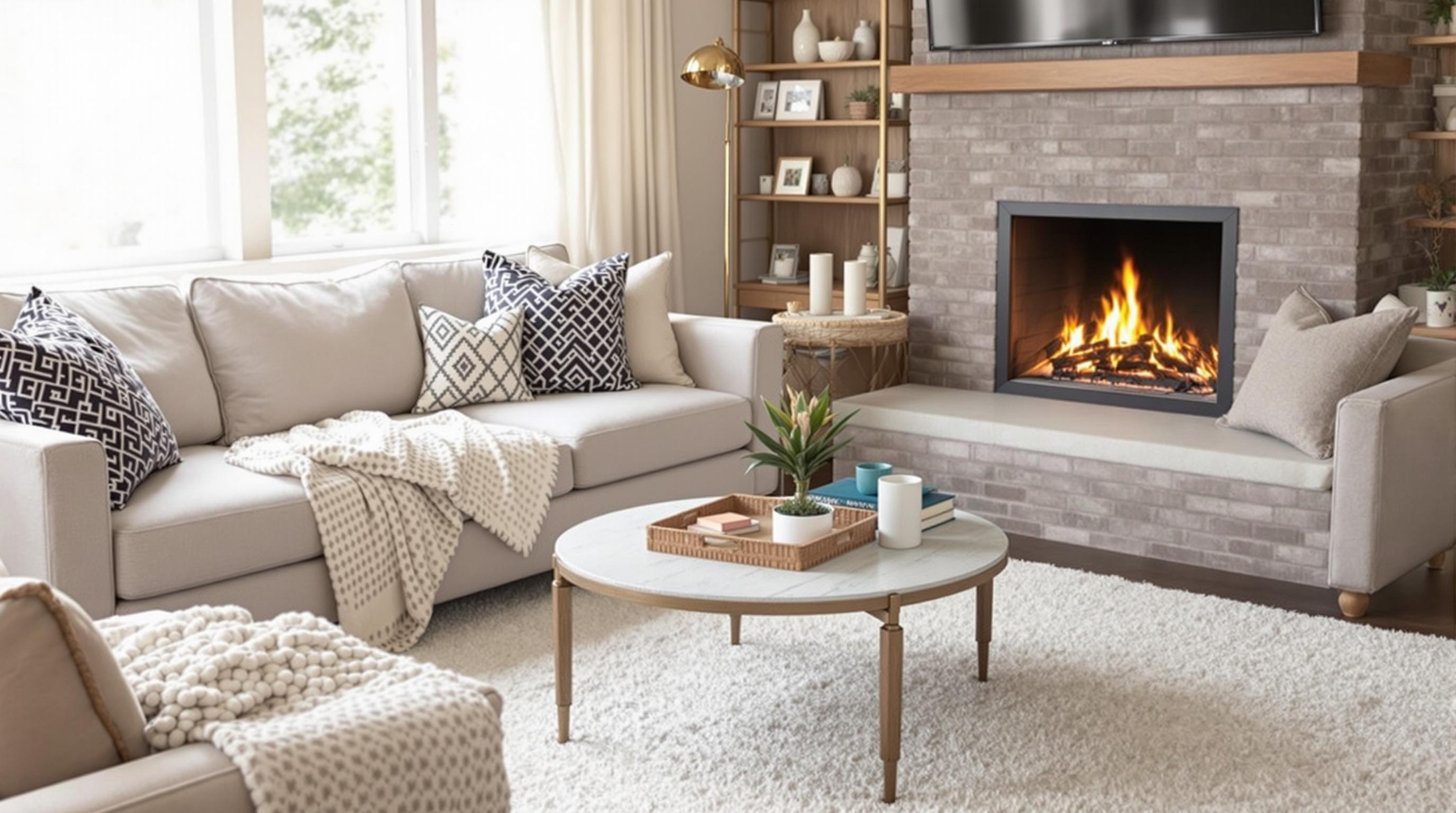
4. Create Cozy Seating Areas
A mindful living room should prioritize comfort. Arrange your seating to encourage relaxation and connection. Invest in cozy furnishings like plush sofas and chairs, and layer soft throws and cushions to enhance the coziness factor.
Consider rearranging your furniture to facilitate conversation and create intimate seating groups. This fosters a welcoming environment where family and friends can gather comfortably and engage meaningfully.
A cozy seating arrangement can make your living space feel inviting and safe, inviting you to unwind and reflect. When you feel comfortable, you’re more inclined to embrace moments of mindfulness and relaxation.
5. Limit Clutter and Distractions
A cluttered space can lead to a cluttered mind. Take a mindful approach to decluttering your living room by assessing each item and keeping only what serves a purpose or brings you joy. This practice, inspired by the KonMari method, promotes mindfulness and intentionality.
Storage solutions can help keep your space tidy. Opt for stylish baskets, shelves, and cabinets that blend in with your decor while providing ample space to store items out of sight, thus promoting a serene atmosphere.
Research emphasizes that the environment we inhabit can impact our mental clarity (Rosen et al., 2019). By minimizing distractions and clutter, you open up your living room to inspire mindfulness and relaxation.
6. Introduce Soothing Scents
The power of scent can profoundly influence your mood and emotional state. Incorporating calming scents like lavender, chamomile, or sandalwood into your living room can create an environment conducive to mindfulness. Use essential oil diffusers, candles, or incense to disperse these scents throughout the space.
Creating a fragrance ritual can be particularly effective. Spend a few moments each day lighting a candle or using a diffuser as a signal to pause and embrace mindfulness in your living room.
Research has shown that scent can significantly impact relaxation, reducing anxiety and promoting feelings of well-being (Herz & von Becker, 2006). Allow your living room to engage your senses in fostering serenity and peace.
Read More