Related Articles
- Bizarre Wonders: Crafting Functional Ornaments from Obsolete Household Gadgets and Oddities
- Eco-Chemistry: Innovative Projects Using Upcycled Materials from Your Kitchen for Sustainable Living
- Mystical Metamorphosis: Crafting Enchanted Home Decor from Unwanted Childhood Toys and Forgotten Doll Parts
- Color Cravings: Exploring the Unconventional Links Between Food Choices and Fashion Statements
- Hues of Controversy: The Surprising Ties Between Color Choices and Ethical Consumerism Trends
- Color Waves: Exploring the Impact of Music on Visual Aesthetics in Art and Fashion Choices
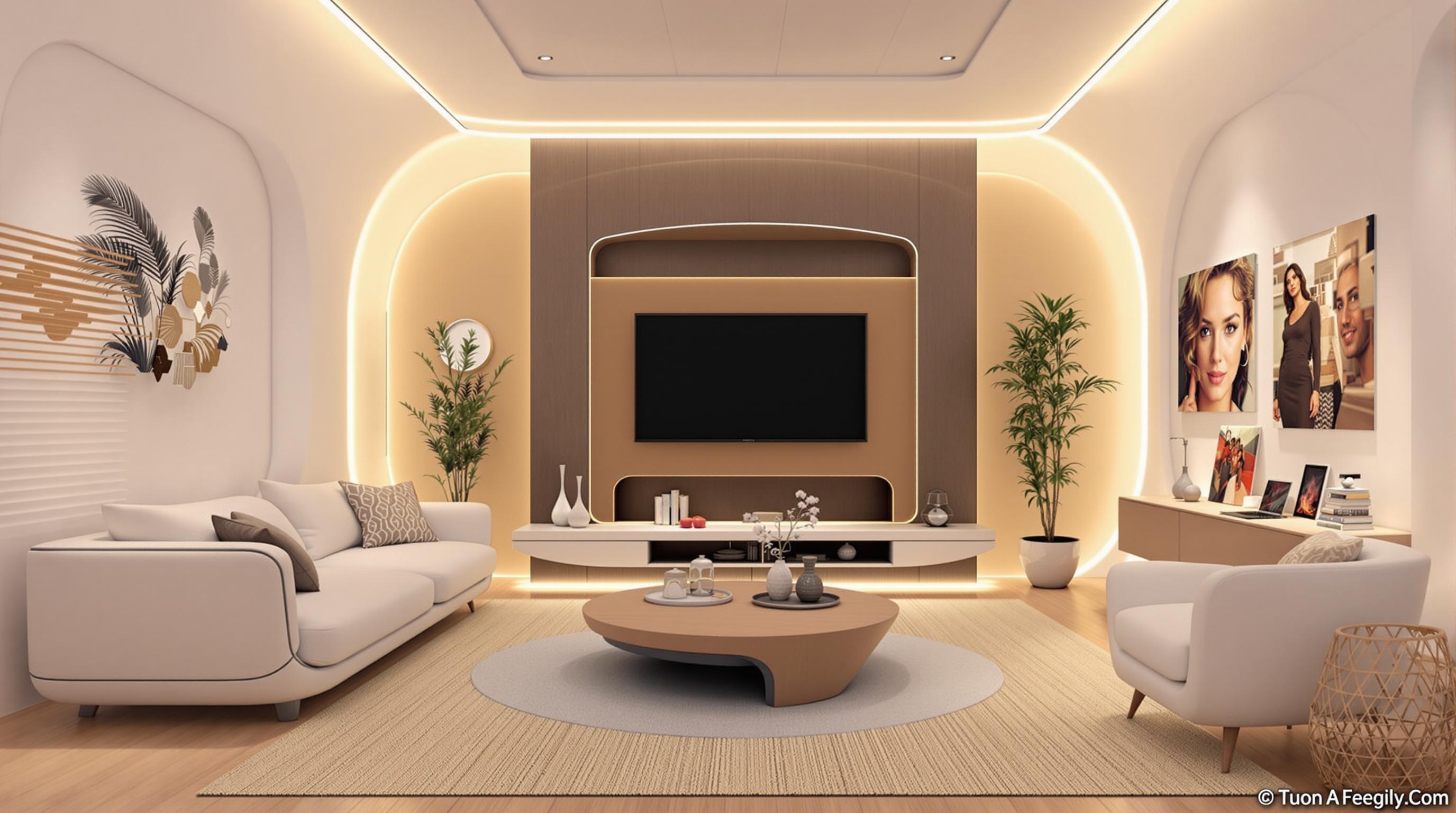
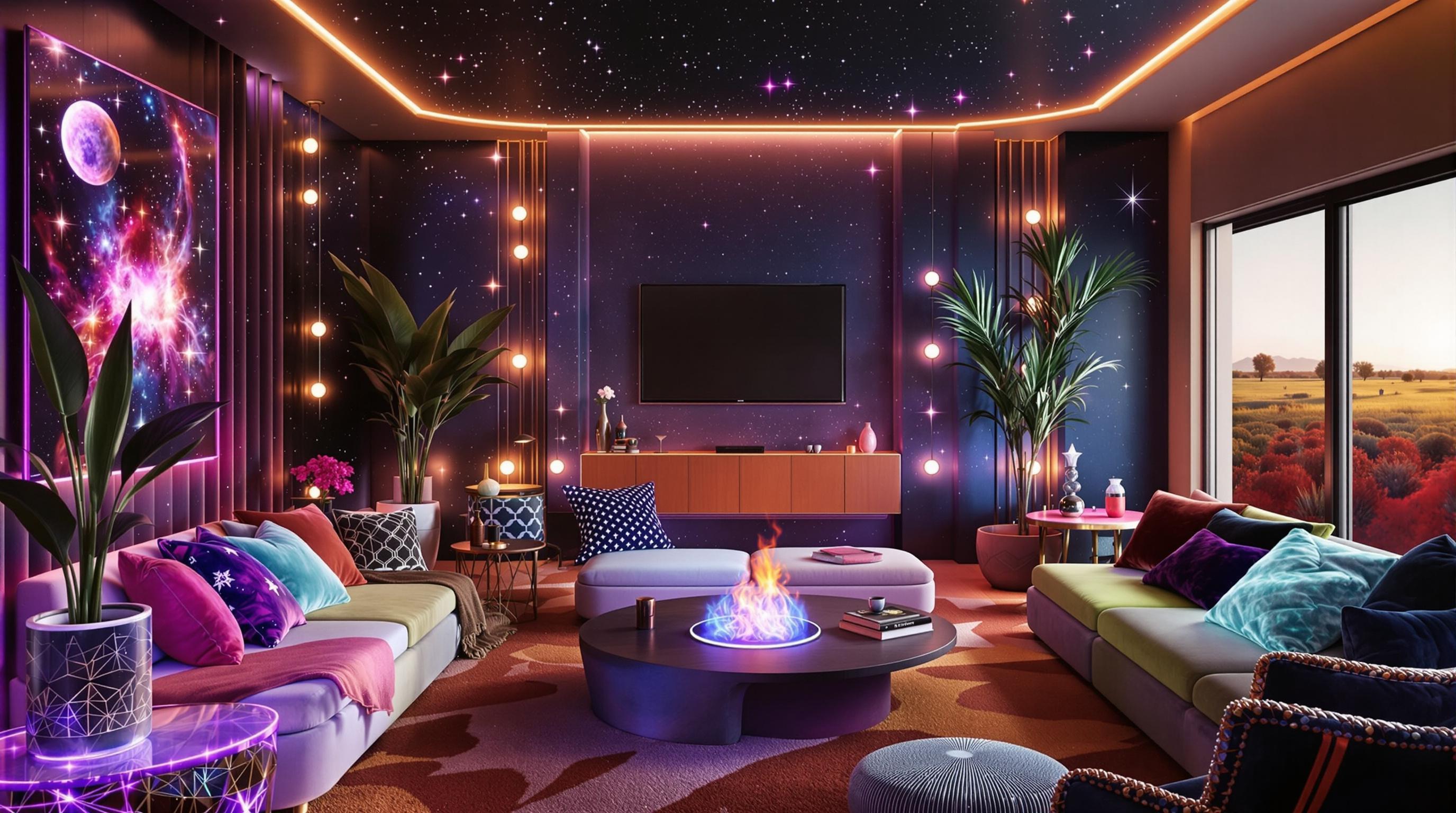
5 Futuristic Living Room Concepts: Merging Technology and Design for a Cutting-Edge Home Transformation
5 Futuristic Living Room Concepts: Merging Technology and Design for a Cutting-Edge Home Transformation
5 Futuristic Living Room Concepts: Merging Technology and Design for a Cutting-Edge Home Transformation
1. Smart Furniture
Imagine a living room equipped with smart furniture that adapts to your needs. This concept revolves around modular pieces that can be adjusted in size, shape, and function, based on the number of occupants or their activities. Desks that convert into coffee tables or sofas that reshape into beds can maximize space and usability.
Moreover, smart furniture is often integrated with technology, featuring built-in wireless charging stations, speakers, and lighting systems controlled through mobile apps or voice assistants. This fusion not only brings functionality but also elevates the aesthetic by reducing clutter, replacing multiple devices with multifunctional pieces.
The future of smart furniture promises personalization at its core; imagine pieces that learn your habits and preferences. For instance, a chair that adjusts its firmness based on how long you sit or a coffee table that knows when to raise itself for a game night. The potential for innovation in this space is limitless.
2. Augmented Reality Decor
Augmented reality (AR) is set to revolutionize how we experience and interact with our living spaces. By using AR, homeowners can visualize various design elements and decor styles before committing to changes. For example, using a smartphone app, you can layer virtual furniture or art pieces onto your physical space to see how they fit and feel.
This technology allows for experimentation without permanent alterations, encouraging creativity and personalization. You can change wall colors, rearrange furniture, and even alter lighting schemes with just a few taps. Such flexibility fosters a living environment that evolves with your tastes and needs.
Additionally, AR can enhance social interactions within the living room. Virtual game nights or interactive experiences can be integrated into the decor, turning a simple gathering into an engaging event. The blend of physical and digital spaces can make socializing and entertaining at home a more immersive and interactive experience.
3. Voice-Activated Systems
Voice-activated technology has become increasingly popular in modern homes, allowing for seamless control over various aspects of home living. In a futuristic living room, users could command everything—from adjusting the lighting to playing music or even drawing the curtains—with simple voice commands.
This convenience not only heightens user experience but also significantly enhances accessibility for individuals with mobility challenges. Imagine a scenario in which someone can control their entire environment without needing to physically interact with appliances or fixtures.
Moreover, when integrated into smart home systems, voice activation can lead to energy efficiency. For instance, by asking a system to turn off lights or adjust the thermostat as you leave the room, homeowners can conserve energy without sacrificing comfort or convenience. As voice technology continues to advance, its potential within our living spaces will only grow.
4. Biophilic Design
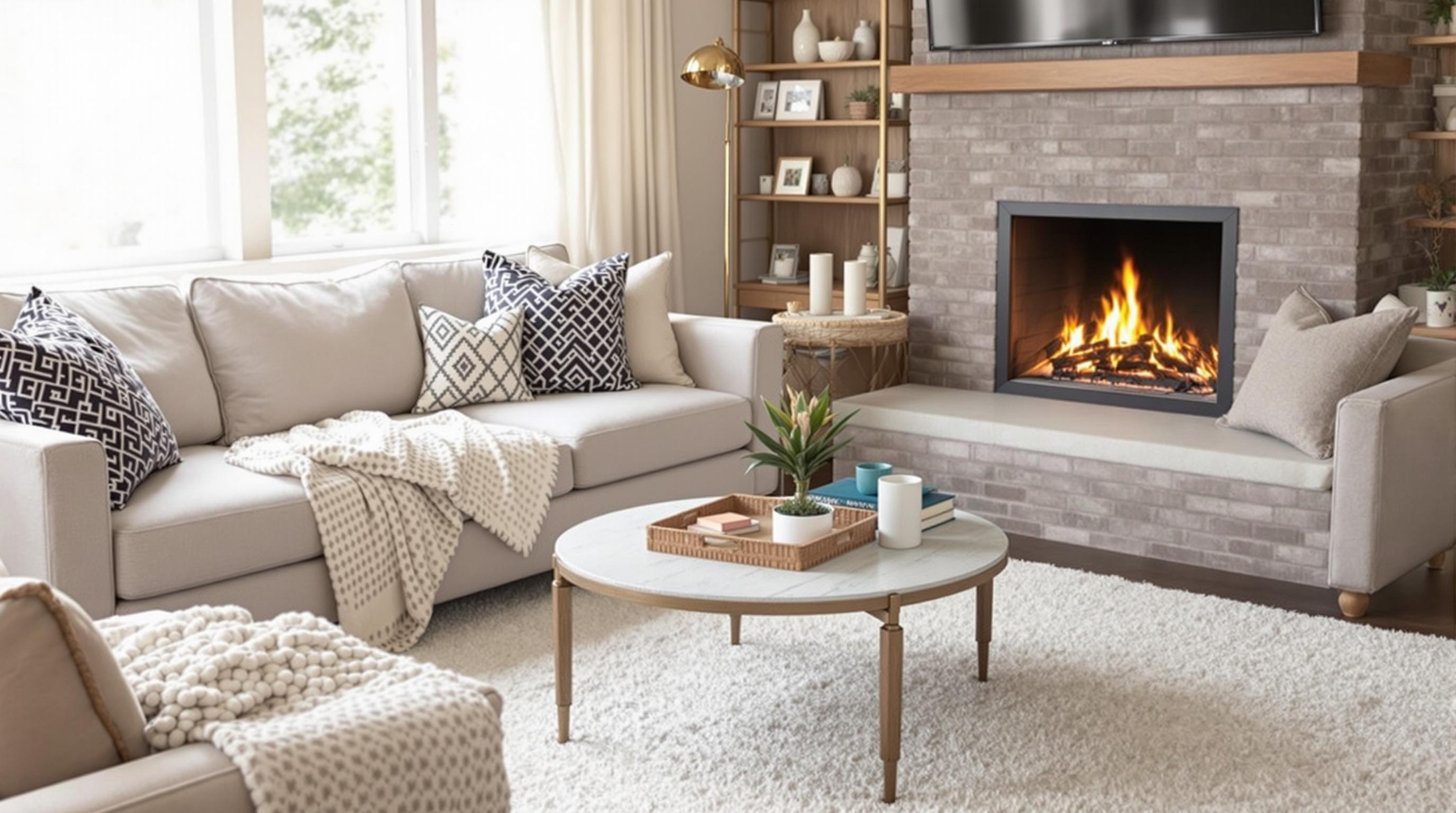
As more people seek harmony with nature in urban environments, biophilic design emerges as a crucial element of futuristic living room concepts. This approach incorporates elements from nature, such as plant life, natural light, and organic materials, creating a peaceful, rejuvenating space.
Integrating green walls or indoor gardens can significantly enhance air quality while providing a visual connection to the natural world. Natural light sources, whether through large windows or skylights, can help to cultivate a sense of openness and promote well-being.
The incorporation of water features, like small indoor fountains, can add to the calming atmosphere. By connecting indoor living spaces to the elements outside, biophilic design serves to create a sanctuary where relaxation and tranquility thrive, fostering a sense of balance and grounding amidst everyday chaos.
5. Sustainable Technology Integration
Aligning with global shifts toward environmental awareness, sustainable technology is a prominent feature in future living room concepts. Homes can be designed with materials that have a lower carbon footprint, such as reclaimed wood, recycled metals, and eco-friendly composites.
Furthermore, smart home systems can monitor and regulate energy consumption, like automatic window treatments that open and close based on sunlight exposure, optimizing heating and cooling. Such smart solutions not only reduce energy bills but also promote sustainable living practices.
Incorporating energy-efficient lighting systems, powered by LED technology, alongside solar panels for renewable energy, can conceptualize a living room that not only looks advanced but also serves the planet. Sustainability will not merely be an aesthetic choice; it will be woven into the very fabric of modern home living.
Conclusion
The integration of technology and design in futuristic living rooms opens exciting new possibilities for how we interact with our spaces. Concepts like smart furniture and augmented reality decor provide not just enhanced functionality but also personalization, transforming our routines and lifestyles.
As we move toward a more connected, efficient, and sustainably conscious world, these innovations will redefine home comfort and aesthetics. Whether it’s through voice-activated systems, biophilic designs, or sustainable technology, the future of living room environments promises to cater to our evolving needs and aspirations.
Ultimately, as these concepts continue to become more accessible, they will significantly impact our everyday lives, fostering spaces that reflect not only our personal style but also our values toward sustainability and community.
Read More