Related Articles
- Bizarre Wonders: Crafting Functional Ornaments from Obsolete Household Gadgets and Oddities
- Eco-Chemistry: Innovative Projects Using Upcycled Materials from Your Kitchen for Sustainable Living
- Mystical Metamorphosis: Crafting Enchanted Home Decor from Unwanted Childhood Toys and Forgotten Doll Parts
- Color Cravings: Exploring the Unconventional Links Between Food Choices and Fashion Statements
- Hues of Controversy: The Surprising Ties Between Color Choices and Ethical Consumerism Trends
- Color Waves: Exploring the Impact of Music on Visual Aesthetics in Art and Fashion Choices
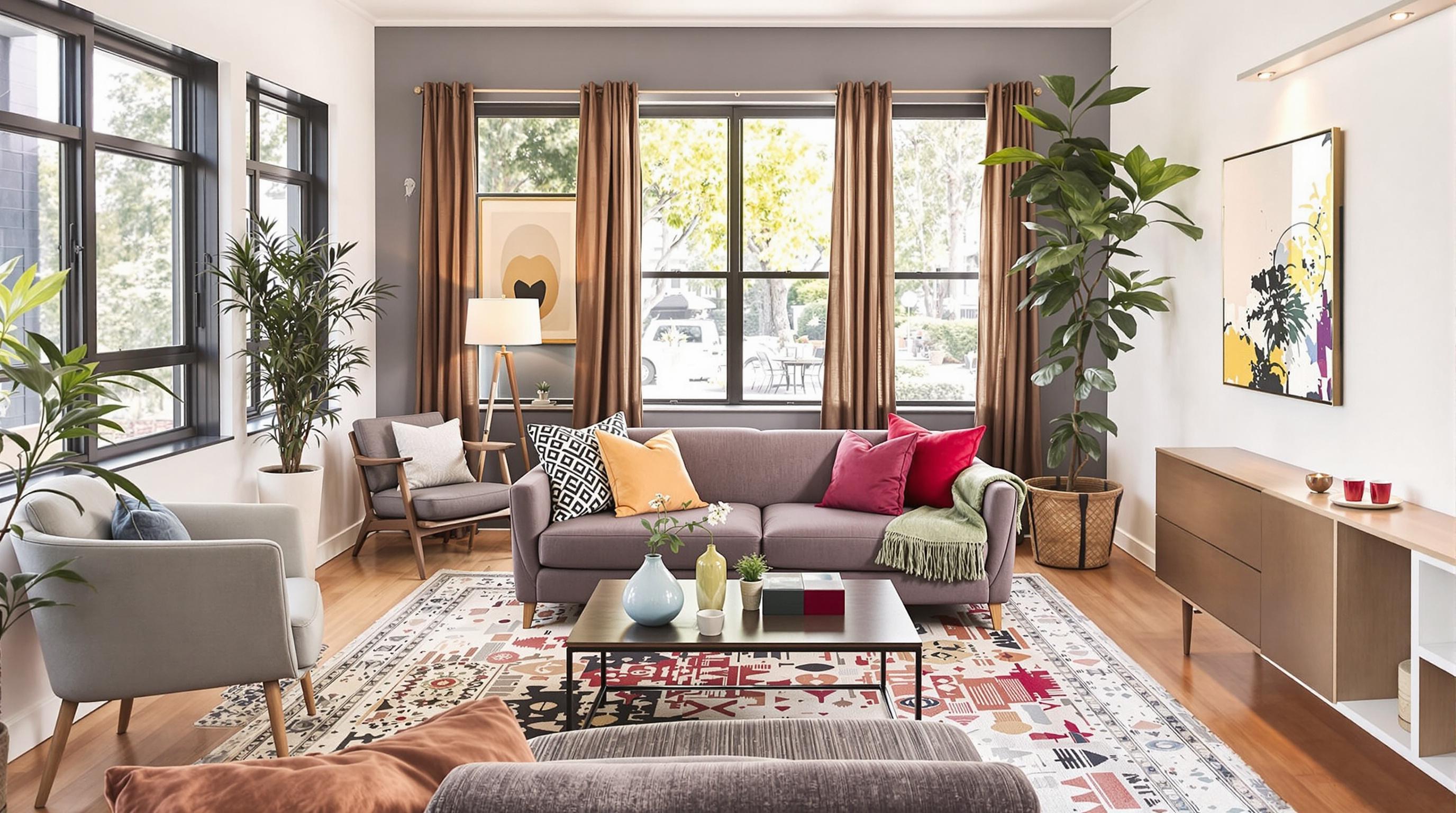
13 Unexpected Living Room Layouts: Reimagining Space for Optimal Comfort and Unique Social Dynamics
13 Unexpected Living Room Layouts: Reimagining Space for Optimal Comfort and Unique Social Dynamics
13 Unexpected Living Room Layouts: Reimagining Space for Optimal Comfort and Unique Social Dynamics
1. The Circular Conversation Pit
The circular conversation pit is an innovative layout that encourages free-flowing dialogue among guests. By lowering the seating into a central area, it immediately creates a feeling of intimacy and warmth. This design contrasts with traditional layouts that often leave people positioned away from each other.
Incorporating plush cushions and rugs can enhance comfort, making it an inviting space for long discussions or storytelling evenings. This seating arrangement strikes a balance between casual and formal, ideal for both game nights and more serious gatherings.
Such designs are reminiscent of ancient communal spaces often found in Indigenous cultures where storytelling and relationship building transpired around a central fire or gathering space. A modernized version can link historical significance to contemporary living.
2. Off-Centered Layout
An off-centered layout helps break away from symmetry, fostering a more dynamic interaction among occupants. By positioning the main furniture piece, like a sofa, asymmetrically in the room, interesting sightlines are created, encouraging natural conversation paths.
This configuration is especially effective in larger spaces, where the traditional centered layout might feel too cavernous. An off-centered arrangement allows for zones, merging relaxation with exploration that inspires creativity in social interactions.
Fashioning distinct areas within the room might guide particular social dynamics. For example, an area with chairs may cultivate discussion, while another nurtures relaxation, mirroring the multifaceted nature of gatherings in cultural practices worldwide.
3. The Multi-Functioning Corner
In the age of small spaces, multi-functioning corners prove essential for urban living. Designating one corner for a combination of seating, storage, and display brings varied uses into a compact footprint. It's all about maximizing utility without sacrificing style.
Having a corner space dedicated to varied functions—like a book nook with a small desk—encourages the flow of different activities within a single area. It reflects the Latin American concept of ‘el rincón,’ a cherished corner filled with narratives and memories.
This playfulness in design reveals hidden layers of social dynamics, as it encourages occupants to engage in multiple activities, from cozy reading sessions to collaborative work, enriching the overall experience of the living space.
4. Floating Furniture
Floating furniture refers to setting up pieces without anchoring them against walls. This layout fosters openness, creating pathways and inviting movement. It can transform a traditionally intimate gathering space into one that feels expansive and liberating.
Especially in small living areas, floating furniture can be a tactical response to spatial constraints. By leaving generous space around items, individuals can interact more freely, replicating communal settings of Latin American villages designed for social exchange.
This layout also encourages versatile configurations. If a gathering becomes more relaxed or boisterous, furniture can be moved easily to facilitate various activities, echoing the adaptive nature of social dynamics found in diverse cultures.
5. The Gallery Wall Lounge
Incorporating a gallery wall into a living room layout acts as both an aesthetic focal point and a conversation starter. Placing seating opposite a dynamic wall creates an engaging environment that invites guests to share stories about art while strengthening connections among them.
This arrangement can seamlessly blend art with social dialogue, showcasing pieces that reflect personal narratives or cultural heritage, emphasizing the importance of storytelling in human connection.
By shifting focus to a visually stimulating and culturally rich backdrop, social dynamics are reimagined. Guests can enjoy each other’s company while engaging in discourse about shared interests, linking the physical space to dialogue that resonates deeply with cultural practices.
6. The Extended Dining Room-Living Room Mix
Blending the dining and living room is an unexpected layout that consolidates space while enhancing social interaction. When arranged thoughtfully, this setup allows for guest mingling while meals are being prepared or served, creating an inclusive ambience where every participant feels engaged.
By positioning dining furniture alongside comfortable seating, hosts can keep conversation flowing seamlessly between both areas. This layout is a modern interpretation of Latin American feasting traditions, where meals become occasions for storytelling and laughter.
By harmonizing the functions of cooking and socializing, the extended dining-living space fosters a sense of community amongst family and friends. It celebrates the act of gathering, ensuring that no one feels isolated, even during meal prep.
7. Zones of Solitude
Creating zones of solitude within a living room layout requires strategic arrangement of furniture and decor that separates the space into semi-private areas. This layout allows for both gatherings and moments of quiet reflection without leaving the communal space.
Utilizing screens, plants, or strategically placed furniture makes areas where someone can take a break while still being part of the larger social dynamic. This mirrors practices seen in co-housing or urban centers across Latin America where personal and social spheres coexist harmoniously.
It also acknowledges the diversity of guest preferences. Some may seek lively interaction while others might wish to step back momentarily. Creating these zones invites all to engage with the space at their own comfort level while fostering connections in the process.
8. Integrated Nature Elements
Incorporating nature into living room layouts is not only aesthetically pleasing but also promotes well-being. Arranging furniture around indoor plants or water features underlines a connection with the natural world and promotes an environment conducive to relaxation and social connectivity.
In many cultures, including those in Latin America, nature plays a pivotal role in social gatherings. Integrating natural elements can evoke a sense of tranquility and help guests feel a more nuanced connection to their surroundings.
By allowing the outdoors to permeate living room designs, social interactions become enriched as guests are encouraged to feel calm and present, enhancing any shared moments—whether through storytelling, conversation, or laughter.
9. The Pop-Up Lounge
The pop-up lounge is a transformative space that allows for spontaneous gatherings. Adopting furniture that is easily movable—like poufs and foldable chairs—enables the quick transformation of a space to accommodate an intimate chat or a lively group gathering.
This flexibility encourages frequent social dynamics that adapt to the availability of guests or activities, reflecting the eventful nature of Latin American social life where spontaneity often dominates gatherings.
Moreover, when furniture can be rearranged easily, it embodies the fluidity of social interactions, embracing the cultural idea of hospitality, where hosts welcome guests into their adaptable spaces with warmth and an open mind.
10. Artistic Movement
Designing a living room with a sense of artistic movement challenges standard notions of static arrangements. Placing furniture in a way that suggests flow—be it through diagonal lines or curvatures—creates a living space that feels dynamic and inviting.
This layout encourages movement during social interactions, allowing guests to navigate the space in a more engaging manner. Using art pieces that evoke motion can reinforce this ambiance, drawing visitors into conversations that feel as lively as the layout itself.
Such designs serve as a reminder of the importance of narrative and storytelling embedded within traditions. The sense of movement can spark exchanges where stories flow like the pieces of art on display, embodying the collective human experience and shared histories.
Read More