Related Articles
- Bizarre Wonders: Crafting Functional Ornaments from Obsolete Household Gadgets and Oddities
- Eco-Chemistry: Innovative Projects Using Upcycled Materials from Your Kitchen for Sustainable Living
- Mystical Metamorphosis: Crafting Enchanted Home Decor from Unwanted Childhood Toys and Forgotten Doll Parts
- Color Cravings: Exploring the Unconventional Links Between Food Choices and Fashion Statements
- Hues of Controversy: The Surprising Ties Between Color Choices and Ethical Consumerism Trends
- Color Waves: Exploring the Impact of Music on Visual Aesthetics in Art and Fashion Choices
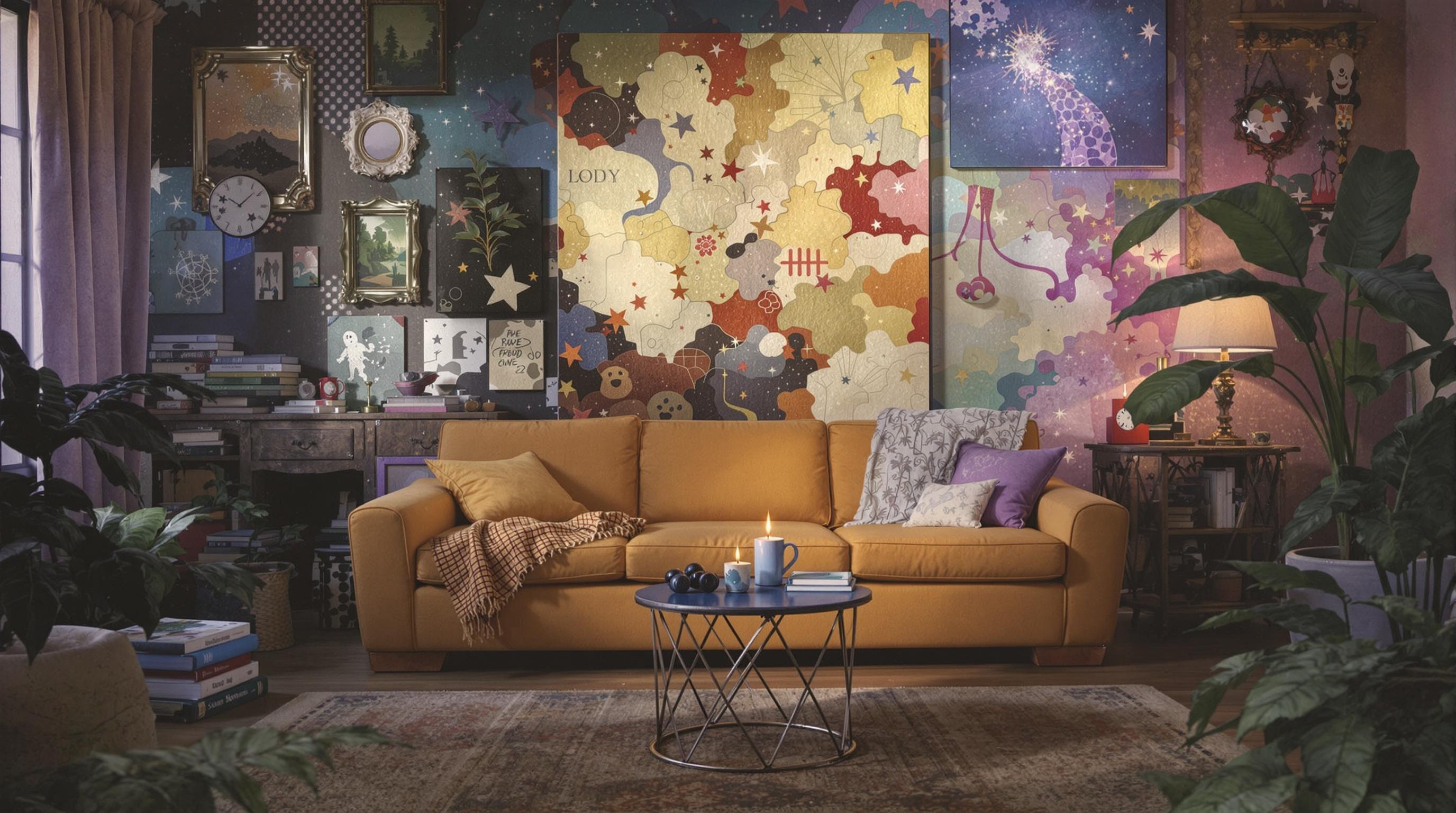
12 Enchanted Layers: Crafting a Living Room Narrative with Textures, Colors, and Hidden Stories
12 Enchanted Layers: Crafting a Living Room Narrative with Textures, Colors, and Hidden Stories
12 Enchanted Layers: Crafting a Living Room Narrative with Textures, Colors, and Hidden Stories
1. The Essence of Layering
Layering in interior design transcends mere aesthetics; it creates depth and a storytelling element within a space. Just as an author weaves narrative through character development, colors and textures can evoke emotions and memories, inviting inhabitants into an immersive environment.
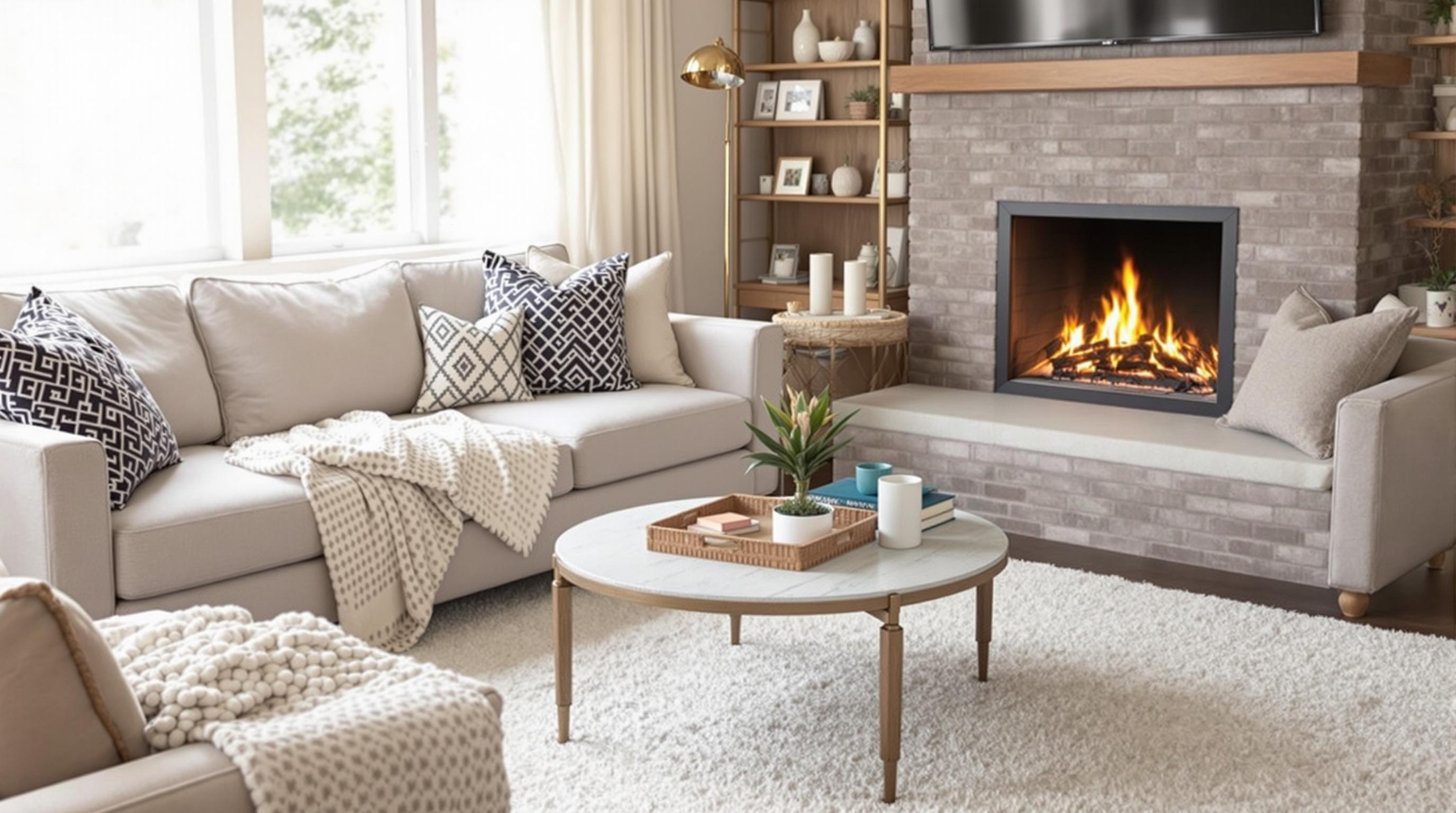
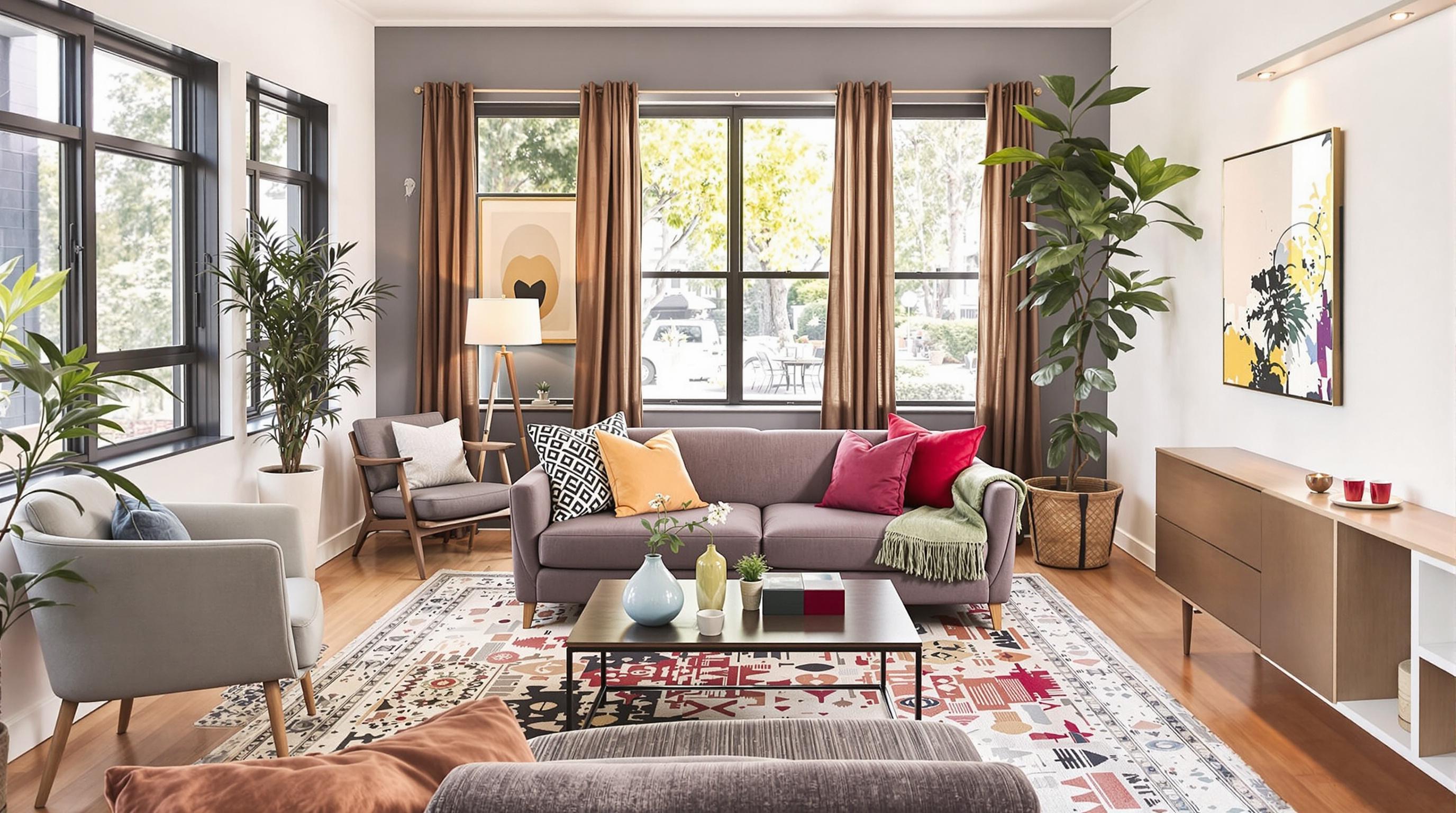
In a living room, layering can be achieved through a careful combination of rugs, throws, cushions, and wall art. Each layer contributes a unique texture and color, transforming an ordinary space into a sanctuary of personal expression and comfort.
As noted by interior designer Kelly Wearstler, “The best interiors tell a story, but they don’t always have to be direct. Oftentimes there are layers that are discovered through a gradual unveiling.” This philosophy can guide the creation of a living room that feels intuitively cohesive yet richly varied.
2. The Power of Color
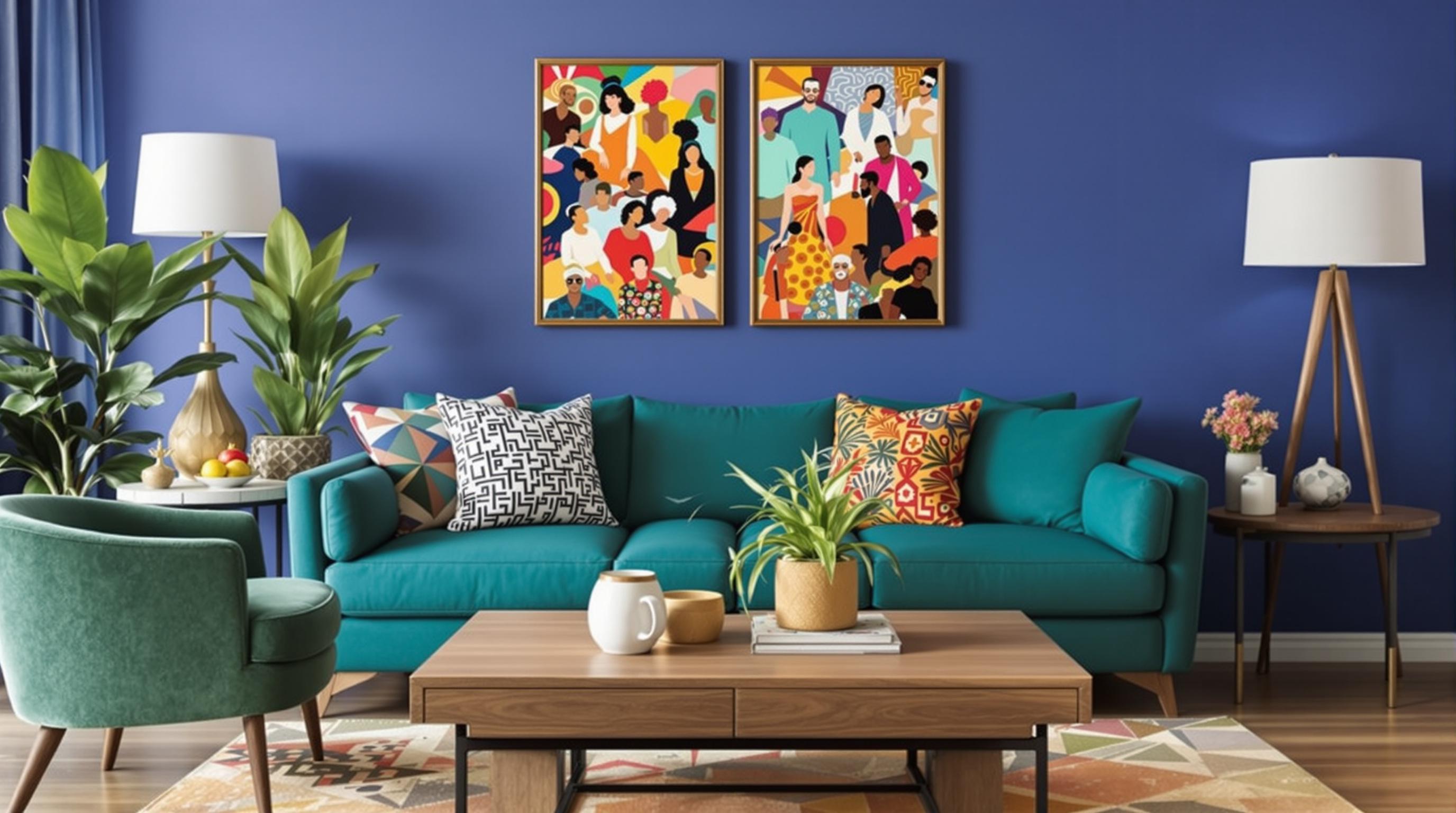
Colors evoke strong emotional responses and serve as a crucial component in crafting a living room narrative. Warm tones like reds and oranges can foster energy and coziness, while cooler shades like blues and greens promote calmness and tranquility.
The psychology of color suggests that the hues you choose will not only impact the ambiance of the living room but also reflect the personalities and emotions of its inhabitants. Using a color palette that resonates with the desired mood helps anchor the overall design.
Moreover, considering the balance between bold and muted tones creates contrast and invites exploration within the space. Renowned interior decorator Jonathan Adler emphasizes that “color is the ultimate accessory,” highlighting its role in breathing life into a room.
3. Textural Diversity
Incorporating a variety of textures adds depth and sensory richness to a living room. Combating starkness with the tactility of fabrics like velvet, linen, and wool creates a multi-dimensional space that is visually and physically engaging.
Textures can also communicate the story of a space. For example, a reclaimed wood coffee table tells of history and nature, while smooth ceramic accents may evoke simplicity and modernity. By harmoniously blending materials, the living room narrative evolves into a tapestry of experiences.
Additionally, layering different textures, such as placing a soft throw over a leather sofa or juxtaposing a chunky knit with sleek metallics, can enhance comfort and liveliness, ensuring that the space is both functional and inviting.
4. Artistic Expressions
Art plays a vital role in personalizing a living room and expressing the identity of its inhabitants. Whether through paintings, sculptures, or photographs, art infuses a narrative that reflects individual stories and experiences, creating a meaningful connection to the space.
Choosing artwork that resonates with the inhabitants will encourage dialogue and memories, fostering a sense of belonging. Furthermore, rotating pieces periodically can refresh the living room narrative and keep the environment dynamic.
As art consultant Julie Schafler Dale said, “Art is not what you see, but what you make others see.” This insight underscores the importance of curating a collection that invites others to explore the narrative woven into the artwork of a home.
5. Furniture as Storytellers
The selection of furniture goes beyond functionality; each piece can be a storyteller in itself. A vintage armchair can carry the history of its previous owners while new furniture can reflect contemporary aesthetics and innovation.
When arranging furniture, creating clusters encourages conversation and facilitates connection among inhabitants and guests. The layout itself can narrate stories of social gatherings or quiet evenings, transforming the living room into a space of interaction.
According to interior designer Thomas O'Brien, “Great design is all about the details.” By selecting pieces that resonate on a personal level, the furniture within the living room becomes integral to the overarching narrative, enriching the overall ambiance.
6. The Journey of Lighting
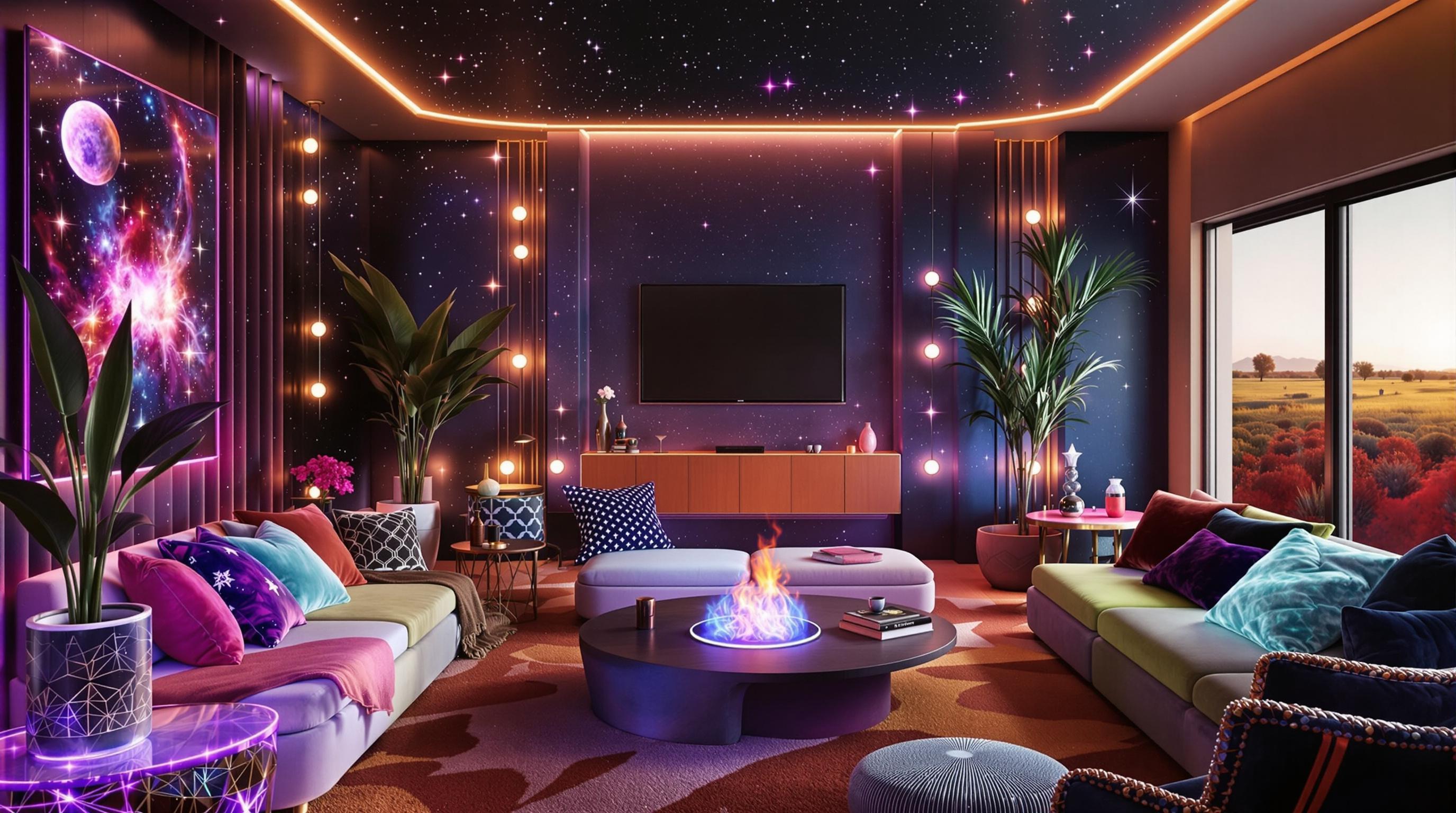
Lighting acts as a vital tool for establishing mood and enhancing the layers within a living room. The choice between ambient, task, and accent lighting creates a balanced environment that can adapt to various activities and occasions.
Natural light, for instance, brings vitality and warmth, while strategically placed lamps can create intimacy and focus. Layering different light sources adds depth and versatility, allowing the living room to transform from a bright gathering spot to a cozy retreat.
In the words of lighting designer David Trubridge, “The ill-lit room feels unsafe, so therefore lighting is crucial.” By considering the power of light, your living room can tell a story that is as much about mood as it is about aesthetics.
7. Incorporating Nature
Bringing elements of nature into the living room fosters a connection to the outside world and promotes well-being. Houseplants, natural wood accents, and botanical prints can soften the environment and add a refreshing touch of life.
Studies have shown that greenery in interiors can improve air quality and reduce stress, enhancing the overall narrative of comfort and serenity. The incorporation of natural elements allows for a tactile interaction with the living space that feels grounding and rejuvenating.
“Nature is not a place to visit. It is home,” wrote Gary Snyder. By integrating nature into the living room story, residents can cultivate a sanctuary that resonates with a sense of harmony and tranquility.
8. Personal Mementos and Travel Tales
Integrating personal mementos and souvenirs from travels adds a layer of intimacy to the living room narrative. Every object can spark conversations and evoke memories, allowing the space to tell unique stories about the inhabitants’ experiences.
Displaying these treasures creatively can serve as an inspiring backdrop and enhance the overall aesthetic. Consider arranging a gallery wall of photos, or incorporating meaningful artifacts on shelves to create a storytelling centerpiece.
As author Maya Angelou once stated, “We are more alike, my friends, than we are unalike.” Personal items bring warmth to the living room, reminding occupants and visitors of shared humanity and adventure.
9. Selecting Scents
While often overlooked, scent plays a pivotal role in crafting the ambiance of a living room. Different fragrances can evoke emotions and memories, deepening the narrative experience within the space.
Candles, essential oils, or potpourri can enhance the atmosphere, providing an additional layer of sensory exploration. Aromas tied to fond memories, such as vanilla or fresh linen, can make the living room feel familiar and inviting.
Renowned perfumer Jo Malone aptly noted, “Fragrance evokes a memory.” By consciously selecting scents to complement the living room narrative, inhabitants can create an emotional connection that resonates long after the visit.
10. The Final Touch: Personalization
In the final layer of crafting a living room, personalization weaves all components together into a cohesive narrative. Allowing individuality to shine through in minor details, such as family photos, homemade crafts, or personalized décor, solidifies emotional connections.
This aspect of personalization transforms a living room from a mere gathering space into a cherished reflection of the people who inhabit it. Each element, whether large or small, contributes to the overarching theme of the narrative.
As interior designer Nate Berkus famously said, “Your home should tell the story of who you are, and be a collection of what you love.” This ethos emphasizes that the final touch lies in the uniqueness that captures individual stories within the living room narrative.
Read More