Related Articles
- Bizarre Wonders: Crafting Functional Ornaments from Obsolete Household Gadgets and Oddities
- Eco-Chemistry: Innovative Projects Using Upcycled Materials from Your Kitchen for Sustainable Living
- Mystical Metamorphosis: Crafting Enchanted Home Decor from Unwanted Childhood Toys and Forgotten Doll Parts
- Color Cravings: Exploring the Unconventional Links Between Food Choices and Fashion Statements
- Hues of Controversy: The Surprising Ties Between Color Choices and Ethical Consumerism Trends
- Color Waves: Exploring the Impact of Music on Visual Aesthetics in Art and Fashion Choices
10 Unconventional Tips for Curating an Art-Inspired Living Room That Tells Your Unique Story
10 Unconventional Tips for Curating an Art-Inspired Living Room That Tells Your Unique Story
10 Unconventional Tips for Curating an Art-Inspired Living Room That Tells Your Unique Story
1. Embrace Eclecticism
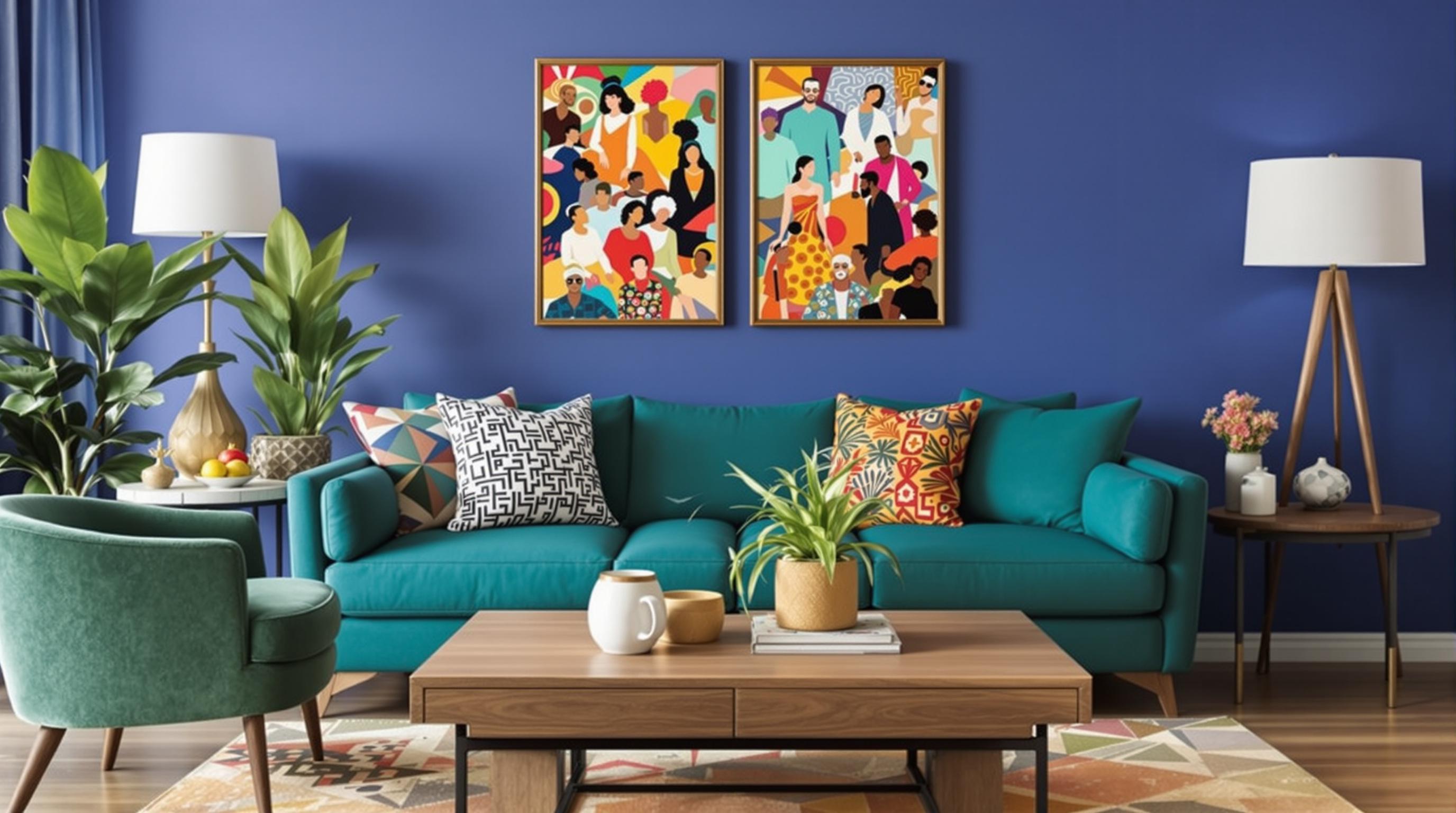
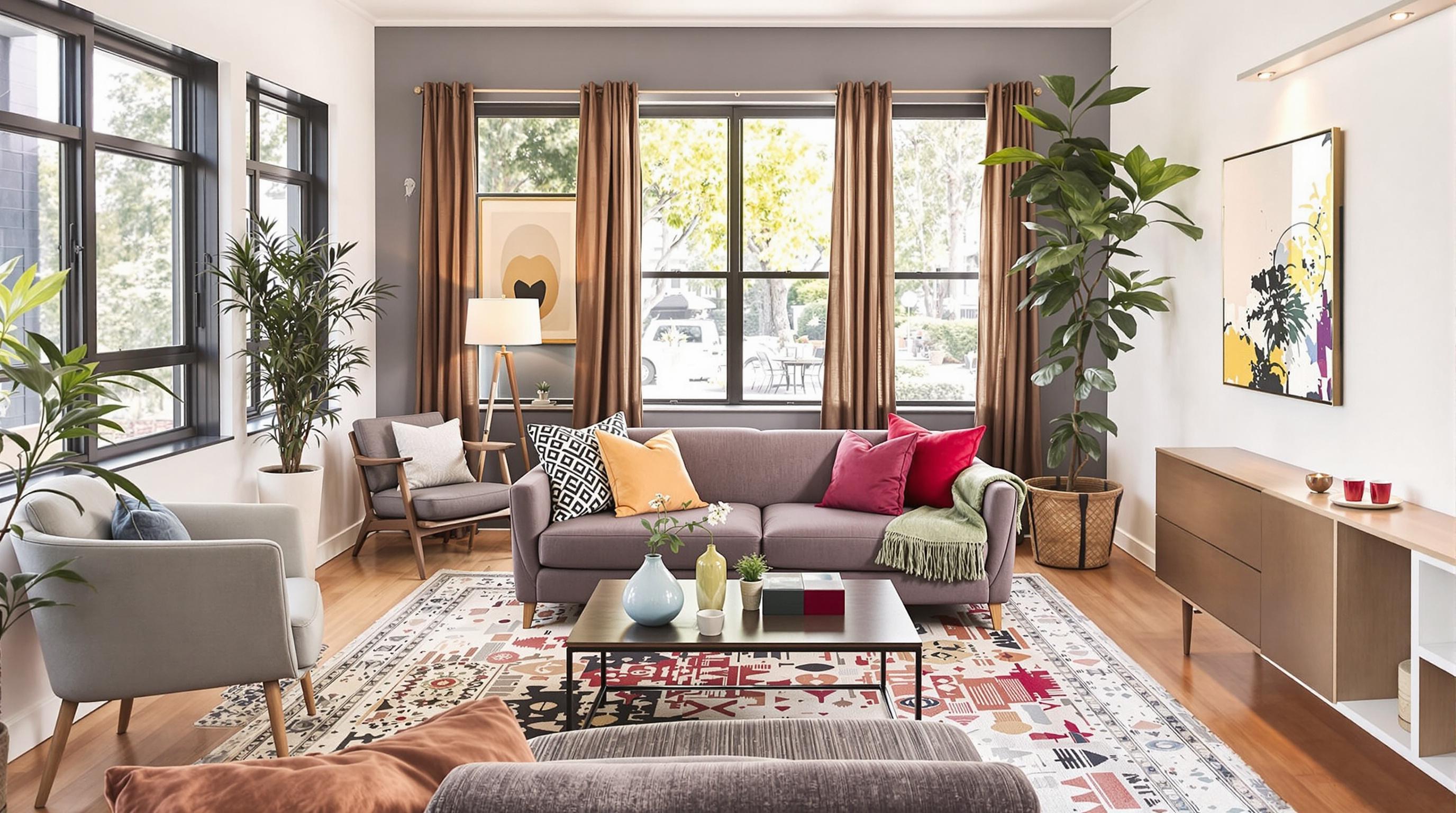
When creating an art-inspired living room, one of the most effective methods is to embrace eclecticism. This approach invites a range of styles, colors, and textures that reflect your personal aesthetic. Instead of sticking to a single theme, consider mixing modern art with vintage pieces, showcasing your diverse tastes.
Eclecticism allows for storytelling through contrast and cohesion. Pair bold artwork with minimalist furniture or quirky sculptures with classic decor elements. This blend not only adds depth to your living space but also sparks conversation among your guests.
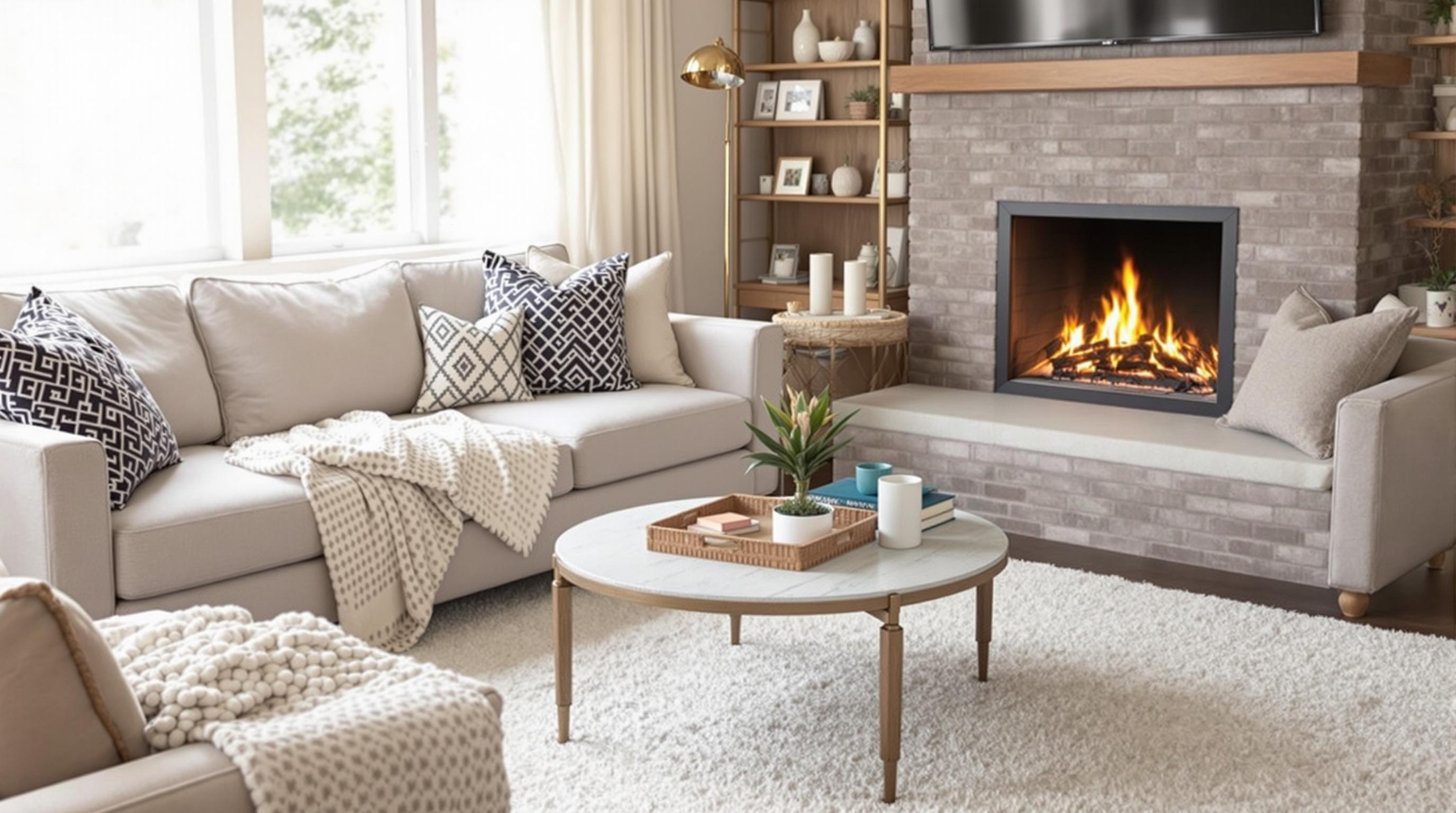
An artfully curated, eclectic space can be further enhanced by layering textures and patterns. Think patterned throw pillows, textured rugs, and artistic wall hangings that speak to different aspects of your life and interests.
2. Use Art as a Focal Point
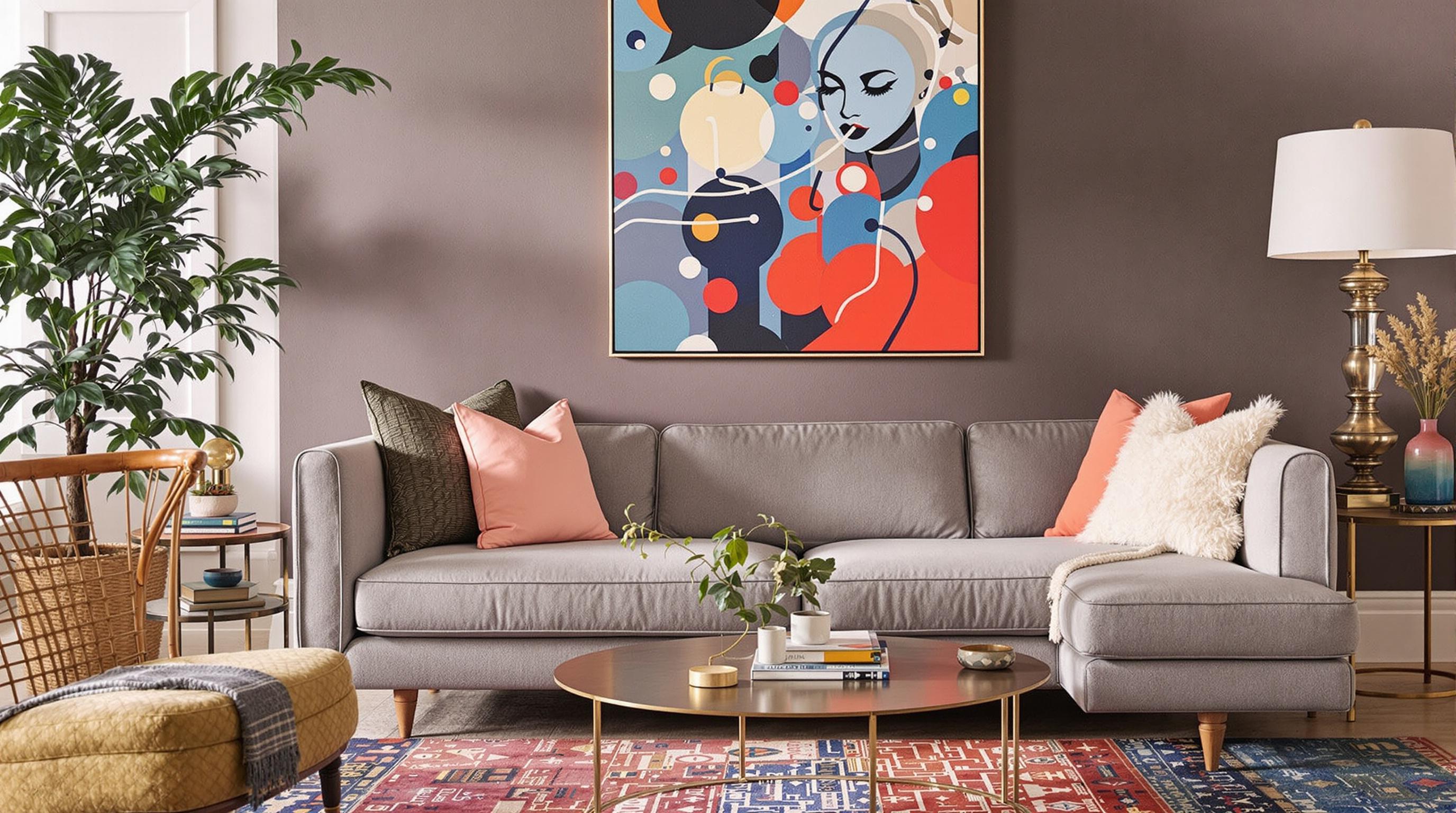
Your choice of artwork can set the tone for the entire room. Selecting a key piece, whether it's a large canvas or a striking sculpture, can serve as a visual anchor that informs the rest of your decor choices. This focal point can be a conversation starter and a source of inspiration for the rest of your living room's design.
When choosing your central artwork, reflect on what resonates with you personally. It could be a piece that reminds you of a memorable trip, a favorite artist, or a specific period in your life. Establish the artwork’s placement to maximize its impact; consider lighting and surrounding decor to highlight its presence.
Additionally, consider the scale of your chosen piece. A large artwork in a small space can create a bold statement, while smaller pieces can be grouped for an eclectic gallery wall. This adaptability allows you to customize your space in a way that tells a unique story.
3. Celebrate Local Artists
Supporting local artists is an excellent way to enrich your living space while connecting to your community. Local art not only adds authenticity but also tells a story that is specific to your area. Seek out art from local galleries, exhibitions, or artist cooperatives to showcase pieces that reflect the cultural heritage of your region.
Highlighting local talent can also lead to meaningful relationships with the artists. By sharing the story behind each piece, you can create a personal narrative that resonates with both you and your guests. Consider organizing events or gatherings to celebrate the work of local artists and turn your living room into a hub for creativity.
Moreover, incorporating a rotating selection of local art can transform your living space regularly, keeping the environment fresh and interesting. This adaptability allows for continuous storytelling that evolves alongside your artistic journey.
4. Incorporate Functional Art
Functionality doesn’t have to sacrifice aesthetics. Integrating functional art pieces into your living room can enhance both practicality and beauty. Furniture that doubles as artwork, such as sculptural coffee tables or uniquely designed bookshelves, can create a space that is both livable and inspiring.
Consider lighting fixtures as art pieces themselves—unique chandeliers or creative lamp designs can illuminate your space while adding character. Items like artistic vases or decorative trays can serve to organize and beautify simultaneously.
By choosing functional art, you’re not just curating a living room; you’re creating a multi-dimensional experience that reflects your personality and innovative spirit.
5. Create a Gallery Wall
Gallery walls have become a popular way to display multiple pieces of art in a cohesive yet dynamic manner. This technique can showcase various styles, colors, and mediums, creating a rich tapestry of visual interest. To curate a successful gallery wall, plan out the arrangement that will maximize impact while ensuring balance.
Lay out your pieces on the floor first to get an idea of how they work together. Varying frame styles and sizes can enhance the eclectic feel of the wall while maintaining visual harmony through color palettes or subject matter.
Don't forget to include personal elements such as photographs or memorabilia to further personalize the wall. This inclusion transforms it into an expressive statement about who you are, encapsulating memories and artistic influences in one cohesive presentation.
6. Layer Textures and Patterns
Richness in visual appeal often comes from the layers of texture and pattern. Combining various materials, such as wood, metal, fabric, and ceramics, adds dimension to your living room. Consider incorporating textiles like rugs, curtains, and cushions that complement your artwork while also adding comfort.
In addition to textile layers, think about the contrast of smooth and rough surfaces. A glossy art piece next to a raw wood table or ceramic sculpture can create a striking play that draws the eye. Such contrasts add interest and can reflect the complexity of your personal story.
To maintain cohesion, use a unified color palette that spans the textures and patterns you’re incorporating. This fosters a curated look, allowing for creativity without feeling chaotic, which ultimately harmonizes the elements in your space.
7. Curate by Theme or Mood
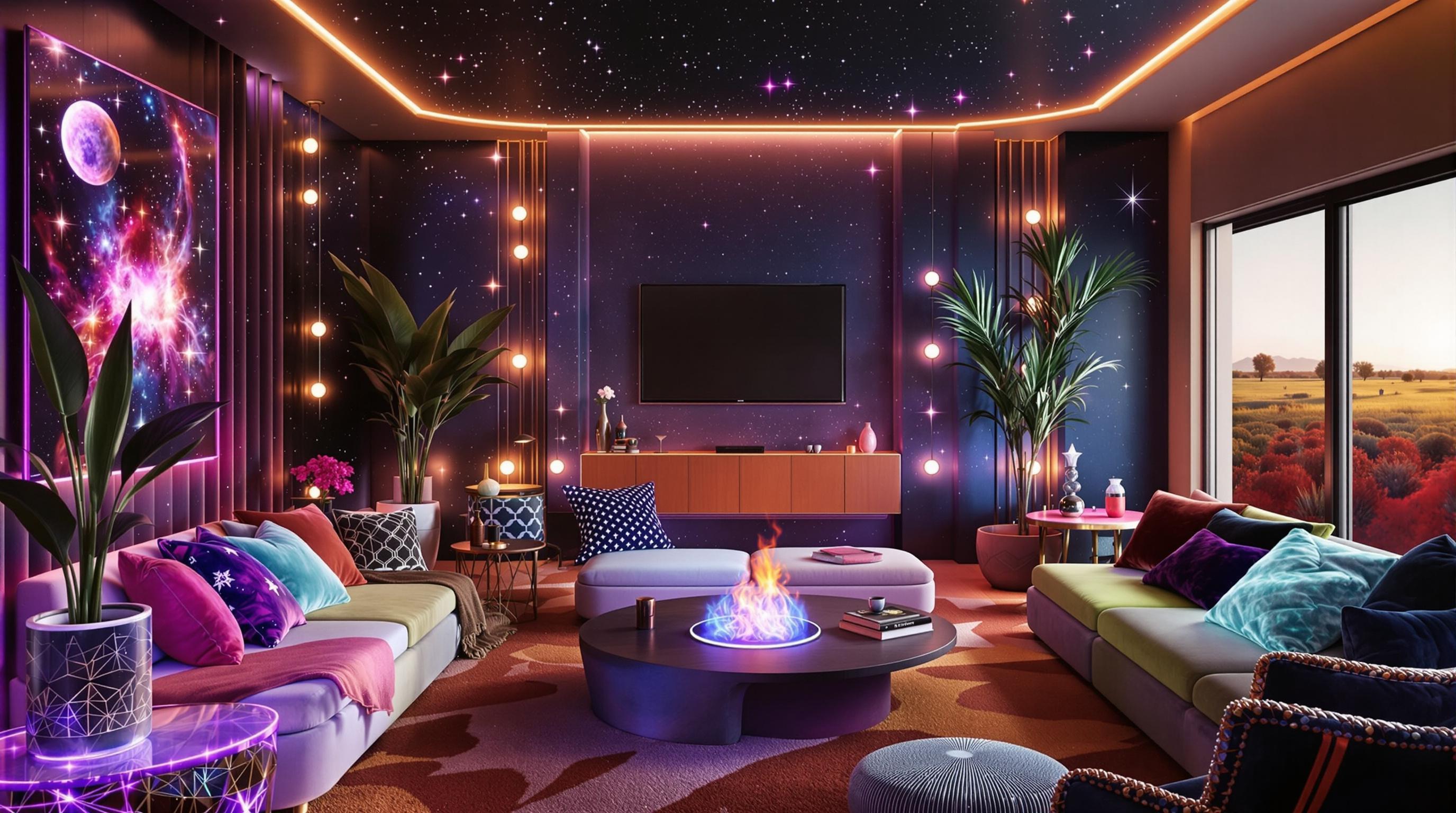
Instead of haphazardly selecting items, curating your living room by theme or mood can create a compelling atmosphere. Think deeply about the feelings and experiences you want your living space to elicit. This could be based on a specific color scheme, a cultural concept, or even an emotion—like tranquility or inspiration.
For instance, if you want a serene environment, opt for calming colors and environmentally-themed artwork. Alternatively, for a more vibrant and energetic space, use bright hues and dynamic pieces. Establishing a clear theme can make the selection of artwork, furniture, and decor much more intuitive.
By consistently aligning your choices with this theme, you'll cultivate a living room that embodies your unique narrative and invites a sense of harmony through its curated atmosphere.
8. Experiment with Upcycled Decor
Upcycling is a sustainable and creative way to curate your living room. Repurposing materials into new art forms can lend a distinctive character to your space while telling a story of creativity and sustainability. From transforming vintage furniture into colorful works of art to using reclaimed materials to create new decor pieces, the possibilities are endless.
Think outside the box: old doors can become unique tables, and glass bottles may serve as stylish vases. Decorating with upcycled items can showcase your values about sustainability and creativity, making your living room a reflection of not just style but also personal ethics.
Plus, each upcycled piece carries a narrative—whether it's the story of its original form or the creative process that transformed it. This layer of history can deepen your living room's storytelling capabilities while simultaneously reducing waste.
9. Utilize Lighting to Highlight Art
Lighting plays a critical role in how art is perceived. The way you illuminate your artwork can dramatically alter the ambiance and highlight the pieces that matter most. Consider using track lighting, wall sconces, or even strategically placed lamps to create an intimate glow around your favorite works.
The technique of spotlighting can draw attention to specific pieces while creating dramatic shadows that further enhance the mood. Warm lighting can add coziness, whereas cooler tones might enhance modern artworks, allowing their details to shine through.
Experimenting with layered lighting levels, such as ambient, task, and accent lighting, can transform the experience within your living room. Proper lighting choices can beautifully complement the stories conveyed by your art, making your space even more inviting.
10. Personalize with Meaningful Objects
Your living room should reflect who you are, and incorporating meaningful objects beyond art can be a great way to tell your story. These could include family heirlooms, travel souvenirs, or personal creations that evoke memories or represent hobbies and interests.
Each object can serve as a historical touchpoint, inviting guests to inquire more about the significance behind them. This not only enriches the aesthetic experience but also deepens personal connections in your living space.
Curating these personal items alongside your artwork creates a layered narrative, unifying your artistic preferences with personal history. Your living room, thus, becomes a unique expression of your journey—a tapestry made of memory, culture, and individuality.
Read More