Related Articles
- Bizarre Wonders: Crafting Functional Ornaments from Obsolete Household Gadgets and Oddities
- Eco-Chemistry: Innovative Projects Using Upcycled Materials from Your Kitchen for Sustainable Living
- Mystical Metamorphosis: Crafting Enchanted Home Decor from Unwanted Childhood Toys and Forgotten Doll Parts
- Color Cravings: Exploring the Unconventional Links Between Food Choices and Fashion Statements
- Hues of Controversy: The Surprising Ties Between Color Choices and Ethical Consumerism Trends
- Color Waves: Exploring the Impact of Music on Visual Aesthetics in Art and Fashion Choices
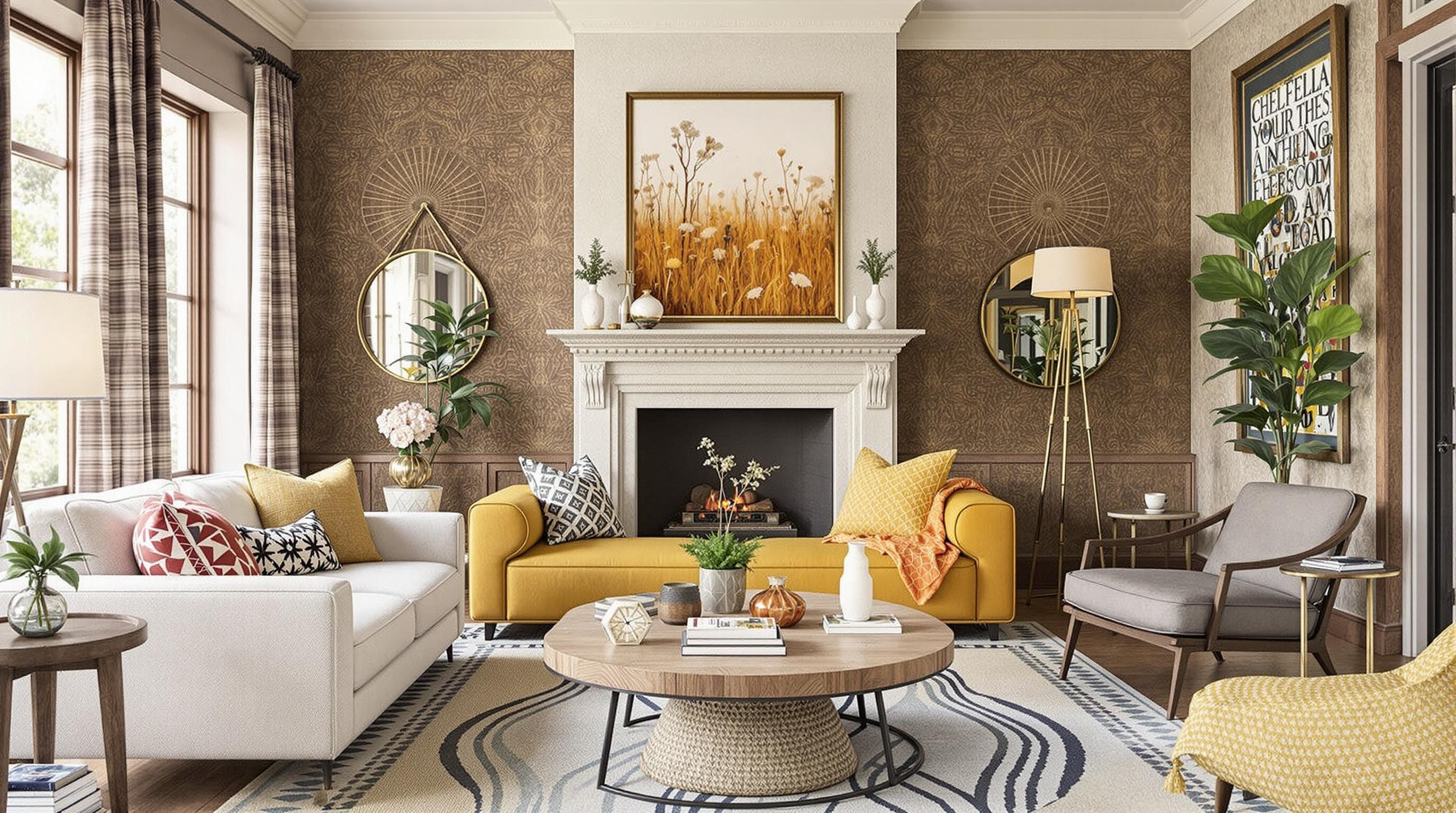
10 Eclectic Living Room Styles: Fusing Global Influences for a Culturally Rich and Inviting Home Atmosphere
10 Eclectic Living Room Styles: Fusing Global Influences for a Culturally Rich and Inviting Home Atmosphere
10 Eclectic Living Room Styles: Fusing Global Influences for a Culturally Rich and Inviting Home Atmosphere
1. Bohemian Bliss
Bohemian style exudes a carefree and artistic vibe, characterized by layers of textiles, vibrant colors, and a mix of patterns. This eclectic aesthetic draws heavily from cultures across the globe, incorporating elements like Moroccan poufs, Indian textiles, and eclectic furniture pieces sourced from various travels. Each item tells a story, creating a living room that feels both personal and inviting.
Decorative elements such as macramé wall hangings, vintage rugs, and potted plants bring nature indoors, contributing to the overall warmth of the space. In a Bohemian living room, one can often find handcrafted artifacts from local markets, affirming the importance of supporting artisans while also celebrating global diversity.
To achieve this look, focus on layering different materials and patterns while allowing your personality to shine through. Mixing colors and textures without a rigid theme cultivates a unique aesthetic that is a direct reflection of individual experiences and travels.
2. Mid-Century Modern Meets Global Artisan
Mid-century modern style is well-known for its clean lines, functional forms, and organic shapes, but it can be beautifully enhanced by incorporating global artisan pieces. This fusion creates a contrast that balances modern minimalism with rich cultural textures, making the space more dynamic and visually engaging.
Key elements include sleek furniture with walnut finishes contrasted by handwoven rugs from Turkey or pottery from Mexico. Accent pillows featuring African prints or Thai silk can add bright pops of color, marrying the contemporary with the traditional.
This style encourages homeowners to invest in statement pieces that capture the essence of global cultures while maintaining a functional and stylish living environment. The result is a sophisticated yet inviting space that invites conversation and admiration.
3. Rustic Global Fusion
Rustic global fusion embraces the raw beauty of natural materials found in various cultures, juxtaposing the rustic charm of reclaimed wood with ornamental textiles from around the world. This style often employs earthy tones that evoke a sense of warmth and simplicity.
In a rustic global living room, you might find furniture made from distressed wood paired with vibrant throw blankets from South America or woven baskets from Africa. These elements create a harmonized look that feels cozy and lived-in, fostering an environment that is both hospitable and reflective of diverse cultures.
To create this eclectic style, choose a color palette based on earth tones, and layer in global textures through textiles and decorations. The essence lies in embracing imperfections and celebrating the beauty of craftsmanship from different backgrounds.
4. Art Deco with a Cultural Twist
Art Deco is known for its luxurious aesthetics and geometric patterns, but by infusing cultural elements, you can enhance its glamour while adding depth. This style invites the use of bold colors and rich textures, reminiscent of the opulent designs seen in the early 20th century, yet remains open to the fusion of international inspiration.
Incorporate statement art pieces from various cultures, such as an intricate African sculpture or a colorful Indian tapestry, against the backdrop of sleek Art Deco furniture. Using metallic accents alongside traditional crafts creates a mesmerizing interplay of style and reflects the interconnectedness of artistic expressions.
This approach invites the reclamation of vintage Art Deco pieces, which can serve as conversation starters when paired with globally inspired artifacts, showcasing a story that transcends conventional design boundaries.
5. Scandinavian Simplicity Meets Global Textiles
Scandinavian design is celebrated for its minimalist aesthetic and functionality, but it gains warmth and character when infused with global textiles. This blend contrasts clean lines with intricate patterns, celebrating both form and tradition.
Introduce vibrant, handwoven rugs from Turkey or colorful throw pillows from India to your basic Scandinavian palette of whites, grays, and soft pastels. This creates an inviting atmosphere that highlights the beauty of craftsmanship while remaining true to the simplicity of Scandinavian aesthetics.
By showcasing cultural textiles against minimalist furniture, homeowners can create a serene yet culturally rich living environment. This fusion exemplifies how less can indeed become more, providing a warm and inviting space without sacrificing elegance.
6. Tropical Eclecticism
Tropical eclecticism is all about vibrant colors and the lush aesthetics found in tropical climates. Drawing from influences across the Southern Hemisphere, this style incorporates elements such as palm leaf prints, bamboo furniture, and colorful ceramics.
Blend items sourced from Caribbean markets with mid-century tropical furniture for a fun and lively living room. The key is to create a harmonious environment full of life, allowing diverse patterns and textures to play off each other without clashing.
This style allows for creativity and self-expression, as it invites the showcasing of a variety of cultural artifacts that evoke the spirit of tropical destinations. Curate a space that feels like a vacation retreat, even in your everyday living environment.
7. Urban Eclectic Industrial
The urban eclectic industrial style merges raw materials typical of industrial design with an array of global influences. Exposed brick walls and metal elements serve as a backdrop for vibrant textiles and culturally significant décor that reflect the diverse characteristics of city life.
Layer soft, ethnic textiles, such as Moroccan blankets or Indian cushions, on metal furniture to soften the typically harsh industrial aesthetic. Include art pieces from local communities or abroad that tell a story relating to city life or travels.
This combination creates an interesting dialogue between urban and cultural themes, allowing for a sophisticated yet inviting space that embraces diversity and creativity. Each piece adds a narrative that echoes the complexities of city living.
8. Shabby Chic Global Vibe
Shabby chic is characterized by a soft, vintage aesthetic that can be beautifully enhanced with global influences. This style often features distressed furniture and pastel colors, which create a romantic ambiance that can be elevated through the addition of globally sourced textiles and decor.
Incorporating ethnic patterns in upholstery or wall hangings introduces a layer of depth and interest to the typically soft aesthetic. Framed artwork representing different cultures can be hung alongside vintage mirrors for a meaningful and visually captivating space.
The beauty of shabby chic with global influences lies in the mix of old and new. Embracing imperfections not only returns to storytelling roots but also instills each piece with a sense of history and significance, enriching the atmosphere of the living room.
9. Global Zen Retreat
The global zen style focuses on tranquility and balance, drawing influences from various cultural practices in creating a peaceful atmosphere. Minimalism plays a key role, where each item is thoughtfully chosen, often incorporating natural materials that promote a sense of calm.
Add elements such as Japanese tatami mats, Indian brass accents, or Thai silk cushions to create a serene and inviting environment. The soft color palette typically seen in Zen spaces can be contrasted with vibrant globally-inspired textiles, offering a unique sense of harmony.
This balance creates a living space that not only looks aesthetically pleasing but also serves as a refuge from the hectic pace of modern life. It reflects the beauty of mindfulness in design by seamlessly weaving personal experiences into the fabric of the home.
10. Eclectic Vintage Global
This style revolves around unique vintage pieces that tell a story of previous eras, enhanced by global influences to create a personally curated living room space. Think vintage furniture paired with art and decor from around the world, allowing each item to provide a narrative that connects different cultures and histories.
Layer old suitcases from travels with Southwestern textiles and vintage lamps from European flea markets to create depth and character. The focus is on individuality, combining various times and places into one cohesive and inviting space.
In this eclectic vintage global style, each corner offers a surprise, celebrating the art of storytelling that transcends time and geography. The result is a rich tapestry of culture and history that invites guests to engage, reflect, and enjoy the ambiance created through thoughtful design.
Read More