Related Articles
- Bizarre Wonders: Crafting Functional Ornaments from Obsolete Household Gadgets and Oddities
- Eco-Chemistry: Innovative Projects Using Upcycled Materials from Your Kitchen for Sustainable Living
- Mystical Metamorphosis: Crafting Enchanted Home Decor from Unwanted Childhood Toys and Forgotten Doll Parts
- Color Cravings: Exploring the Unconventional Links Between Food Choices and Fashion Statements
- Hues of Controversy: The Surprising Ties Between Color Choices and Ethical Consumerism Trends
- Color Waves: Exploring the Impact of Music on Visual Aesthetics in Art and Fashion Choices
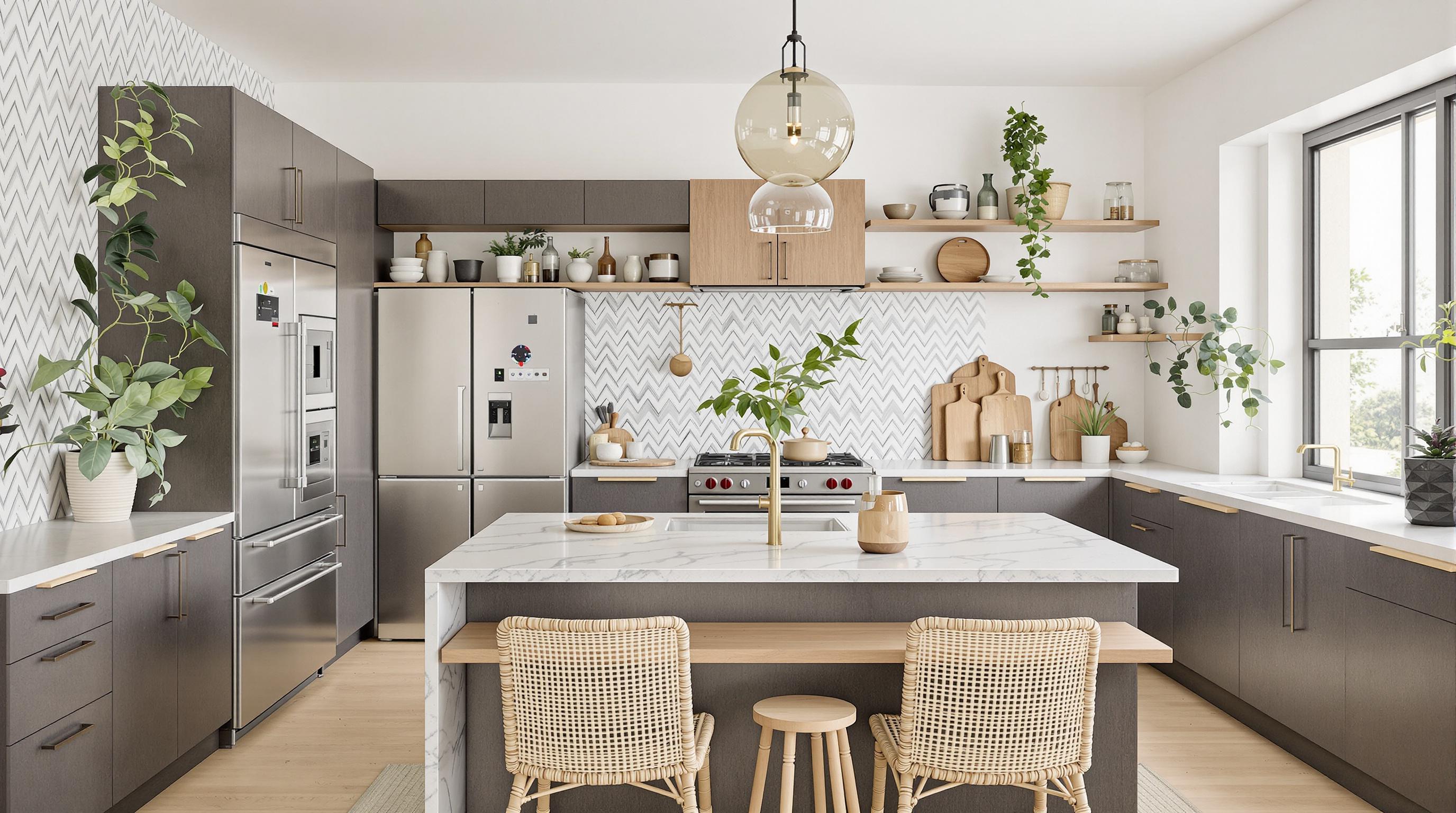
6 Innovative Ways to Enhance Your Kitchen & Dining Decor with Eco-Friendly Materials for a Stylish, Sustainable Space
6 Innovative Ways to Enhance Your Kitchen & Dining Decor with Eco-Friendly Materials for a Stylish, Sustainable Space
1. Reclaimed Wood Accents
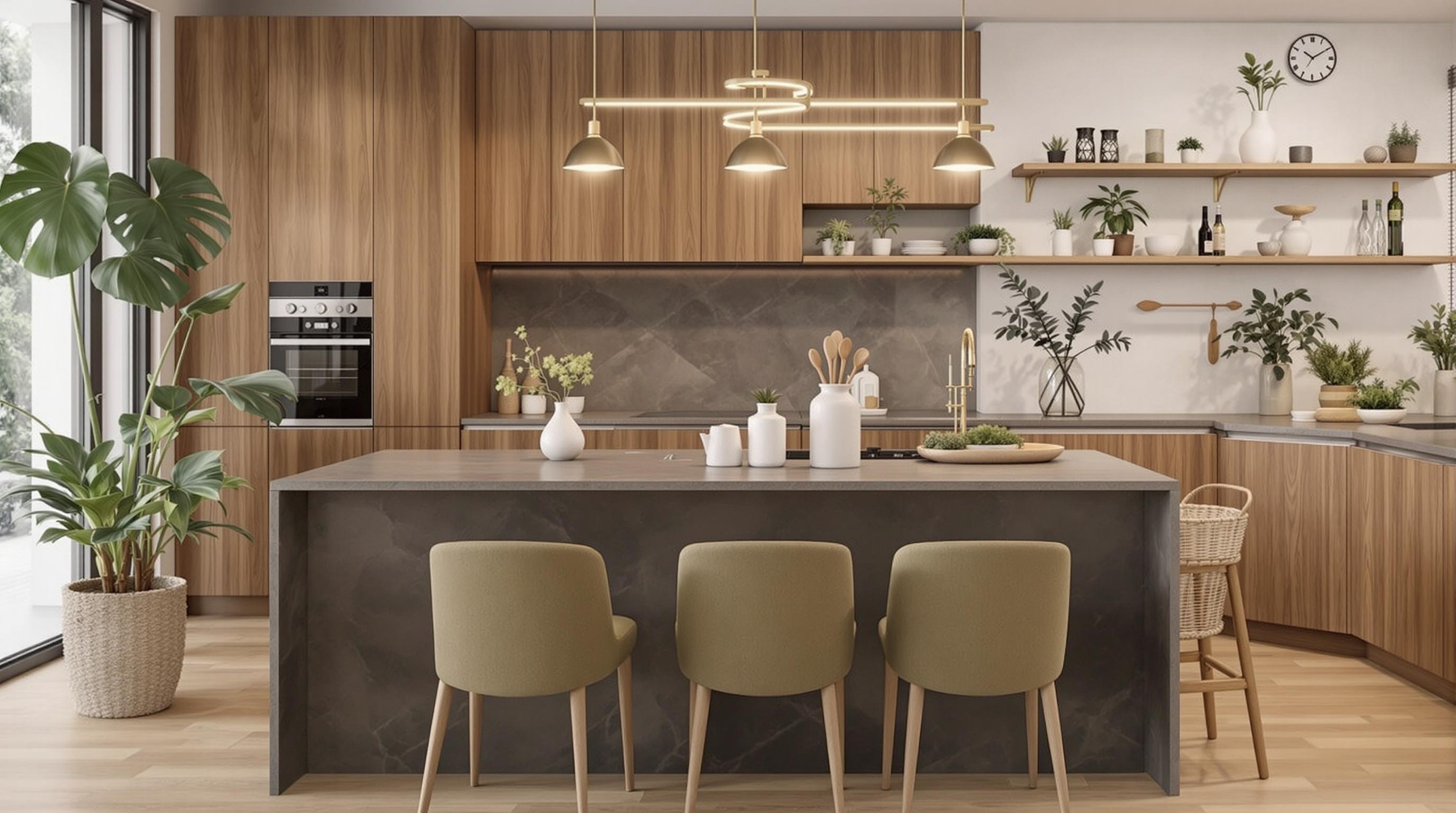
One of the most popular ways to enhance your kitchen and dining decor is by incorporating reclaimed wood. Utilizing wood sourced from old barns, houses, or furniture not only adds a unique aesthetic but also promotes sustainability. The imperfections and character of reclaimed wood can create a rustic charm that enhances the warmth of your space.
Consider building a dining table or shelves from reclaimed wood to serve as focal points in your kitchen or dining area. You can also find beautiful reclaimed wood cutting boards or serving platters that add functionality while still being eco-friendly. Many local artisans offer custom pieces that can help support the local economy.
Reclaimed wood also contributes to the circular economy by reducing waste and promoting responsible forestry practices. By choosing this material, you’re not just opting for a beautiful design, but you’re making a statement about environmental responsibility.
2. Sustainable Fabrics for Textiles
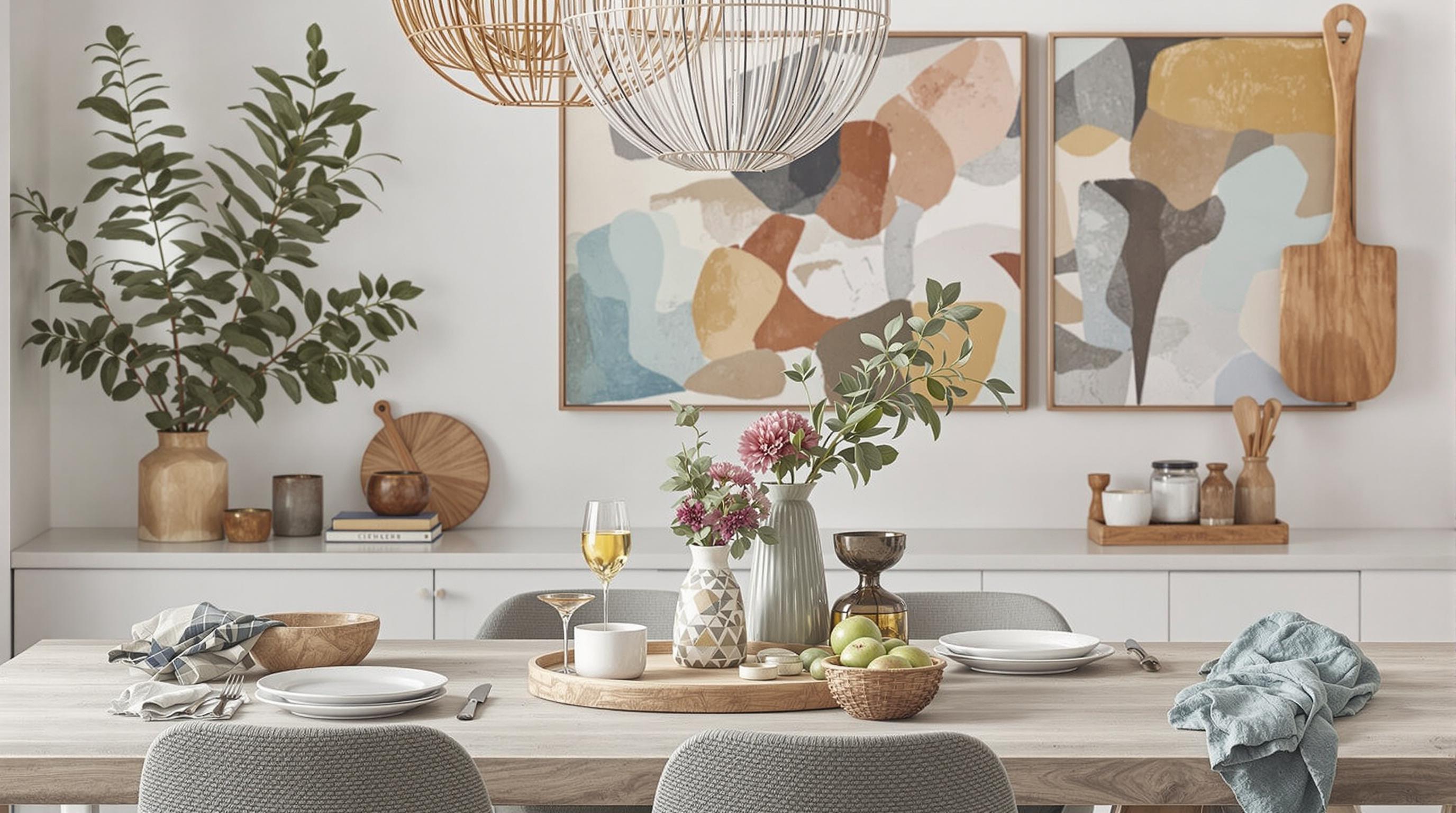
Textiles play an essential role in setting the mood of your kitchen and dining spaces. Opt for sustainable fabrics like organic cotton, linen, or hemp for tablecloths, napkins, and cushions. These materials are not only eco-friendly but also add texture and comfort to your decor.
When choosing fabrics, look for those certified by recognized eco-labels such as GOTS (Global Organic Textile Standard) or OEKO-TEX. This ensures that the materials are produced without harmful chemicals, and the cultivation processes are sustainable. You can also find beautiful tie-dyed or patterned textiles made from leftover fabric, showcasing creativity and sustainability.
Incorporating sustainable fabrics can significantly decrease your carbon footprint and foster a healthier home environment. What’s more, these fabrics are often more durable than conventional options, offering long-lasting beauty in your home.
3. Biodegradable Tableware
For dining experiences that are both stylish and eco-conscious, consider using biodegradable tableware. Products made from materials like bamboo, palm leaves, or recycled paper are great alternatives to traditional plastic and provide a chic, natural aesthetic.
Biodegradable tableware comes in a variety of designs, patterns, and styles that can cater to any occasion, from casual meals to formal gatherings. Not only are these options environmentally friendly, but they also make cleanup easier since they can be composted after use.
By switching to biodegradable tableware, you are showcasing your commitment to sustainability. This small change demonstrates that you can maintain a stylish dining experience while caring for the planet.
4. Upcycled Furniture
Instead of purchasing new furniture, explore the world of upcycled furniture to reinvent your kitchen and dining space. This practice involves repurposing old furniture into new, functional pieces, giving them a second life and diverting waste from landfills.
Consider transforming an old dresser into a kitchen island or using vintage chairs that you can repaint or reupholster. Upcycling lets you express your creativity while crafting a unique design that reflects your personal style.
Furthermore, supporting local craftspeople who specialize in upcycling promotes sustainable business practices. It’s an opportunity to create a timeless piece that not only serves a purpose but tells a story, making your space truly one-of-a-kind.
5. Greenery and Indoor Plants
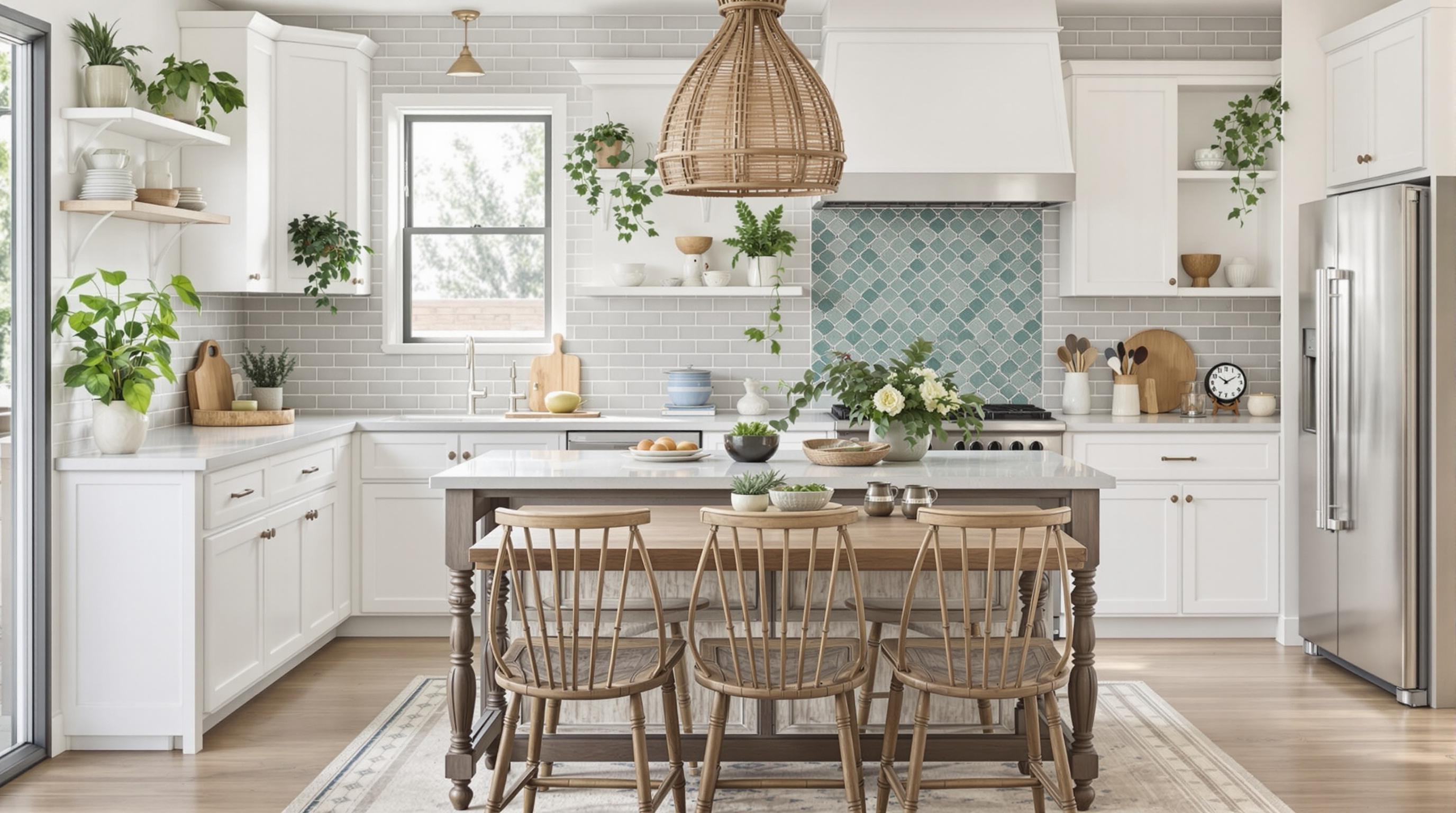
Incorporating greenery into your kitchen and dining space is an effective way to enhance decor while promoting sustainability. Indoor plants not only beautify your space but also improve air quality, providing a health benefit that contributes to your overall well-being.
Choose potted herbs like basil and rosemary that you can later use in your cooking, or opt for low-maintenance plants like succulents and snake plants that thrive in various lighting conditions. Hanging planters or wall-mounted gardens can also save space and add a touch of modern aesthetic to your decor.
Integrating plants fosters a connection to nature within your home, enhancing both mental and physical health. This simple addition can transform your kitchen and dining area into a vibrant sanctuary.
6. Energy-Efficient Lighting
Lighting significantly influences the atmosphere in your kitchen and dining spaces. By opting for energy-efficient lighting solutions, you can reduce energy consumption while creating a stylish ambiance. Choose LED bulbs, which consume less power and have a much longer lifespan compared to traditional incandescent bulbs.
To elevate your decor, consider unique fixtures made from recycled materials like glass or metal. Pendant lighting created from vintage cans or repurposed glass can add character while maintaining an eco-friendly ethos.
Transforming your lighting not only saves energy but also enhances the overall aesthetic of your space. With an array of styles and designs available, you can harmonize functionality and design effortlessly.
7. Natural Stone or Recycled Countertops
Instead of traditional laminate or synthetic materials, consider using natural stone or recycled materials for countertops in your kitchen. Materials like quartzite or recycled glass countertops offer beauty and functionality while being sustainable choices.
Natural stone not only provides durability and ease of care but also enhances the overall elegance of your space. Recycled glass counters come in various colors and textures, making it easy to find a design that complements your decor while being eco-friendly.
Choosing sustainable countertops can increase the value of your home and showcase your commitment to the environment. The long-lasting nature of these materials means that you won’t have to replace them as often, further reinforcing sustainable practices.
8. Efficient Waste Management Solutions
Implementing efficient waste management solutions in your kitchen and dining areas is an integral step towards sustainability. Invest in stylish compost bins and recycling stations that blend in with your decor instead of being an eyesore.
Educate yourself and your household about the importance of recycling and composting. Place bins in convenient locations to encourage eco-friendly habits and decrease food waste, which is a significant contributor to greenhouse gas emissions.
By promoting waste management, you’re not just enhancing your space but also leading by example in your community. This effort contributes to a more sustainable lifestyle and inspires others to make environmentally-friendly choices.
9. Non-Toxic Wall Paints
Painters often overlook the environmental impact of wall paint in homes. By choosing non-toxic, low-VOC (volatile organic compounds) paints for your kitchen and dining areas, you can create a stylish setting while safeguarding your family's health.
Various brands offer non-toxic paints in a wide array of colors and finishes, allowing you to achieve the desired aesthetic without compromising on quality or safety. Consider adding an accent wall for a bold look that complements your decor.
Using eco-friendly paints elevates the atmosphere of your kitchen and dining areas with vibrant colors while ensuring indoor air quality is maintained. A fresh coat of non-toxic paint can transform your space into a stylish, healthy haven.
10. Stylish Eco-Friendly Accessories
Finally, accessorizing with eco-friendly elements can significantly enhance the decor of your kitchen and dining area. Look for items made from renewable materials, such as bamboo salad servers or glass storage containers.
Hanging wall art made from recycled materials or showcasing handmade pottery contributes not only to sustainability but also adds a personal touch to your space. Seek out local artisans who create beautiful pieces from reclaimed or eco-friendly materials.
Incorporating fashionable, eco-friendly accessories can demonstrate your style while reinforcing your commitment to sustainability. Each carefully selected piece tells a story and reflects your values in design.
Read More