Related Articles
- Bizarre Wonders: Crafting Functional Ornaments from Obsolete Household Gadgets and Oddities
- Eco-Chemistry: Innovative Projects Using Upcycled Materials from Your Kitchen for Sustainable Living
- Mystical Metamorphosis: Crafting Enchanted Home Decor from Unwanted Childhood Toys and Forgotten Doll Parts
- Color Cravings: Exploring the Unconventional Links Between Food Choices and Fashion Statements
- Hues of Controversy: The Surprising Ties Between Color Choices and Ethical Consumerism Trends
- Color Waves: Exploring the Impact of Music on Visual Aesthetics in Art and Fashion Choices
5 Culinary Curiosities: Unraveling the Art of Kitchen & Dining Decor Through Historical Anecdotes and Cultural Legacies
5 Culinary Curiosities: Unraveling the Art of Kitchen & Dining Decor Through Historical Anecdotes and Cultural Legacies
Culinary Curiosities: Unraveling the Art of Kitchen & Dining Decor Through Historical Anecdotes and Cultural Legacies
1. The Enchantment of Table Settings
Table settings have long been an art form, a canvas where culture and creativity intersect. The elaborate table settings of the French aristocracy during the 17th century are a prime example, where fine china, ornate silverware, and embroidered tablecloths set the stage for sumptuous feasts. It was not just about food; it was about presentation and the experience of dining as a celebration of life itself.
As the Industrial Revolution took hold, mass production began to influence tableware. Companies like Royal Doulton and Spode emerged, bringing exquisite designs into the homes of the burgeoning middle class. The shift towards more accessible luxury gradually altered daily dining experiences, encouraging families to adopt elements of high cuisine into their own homes.
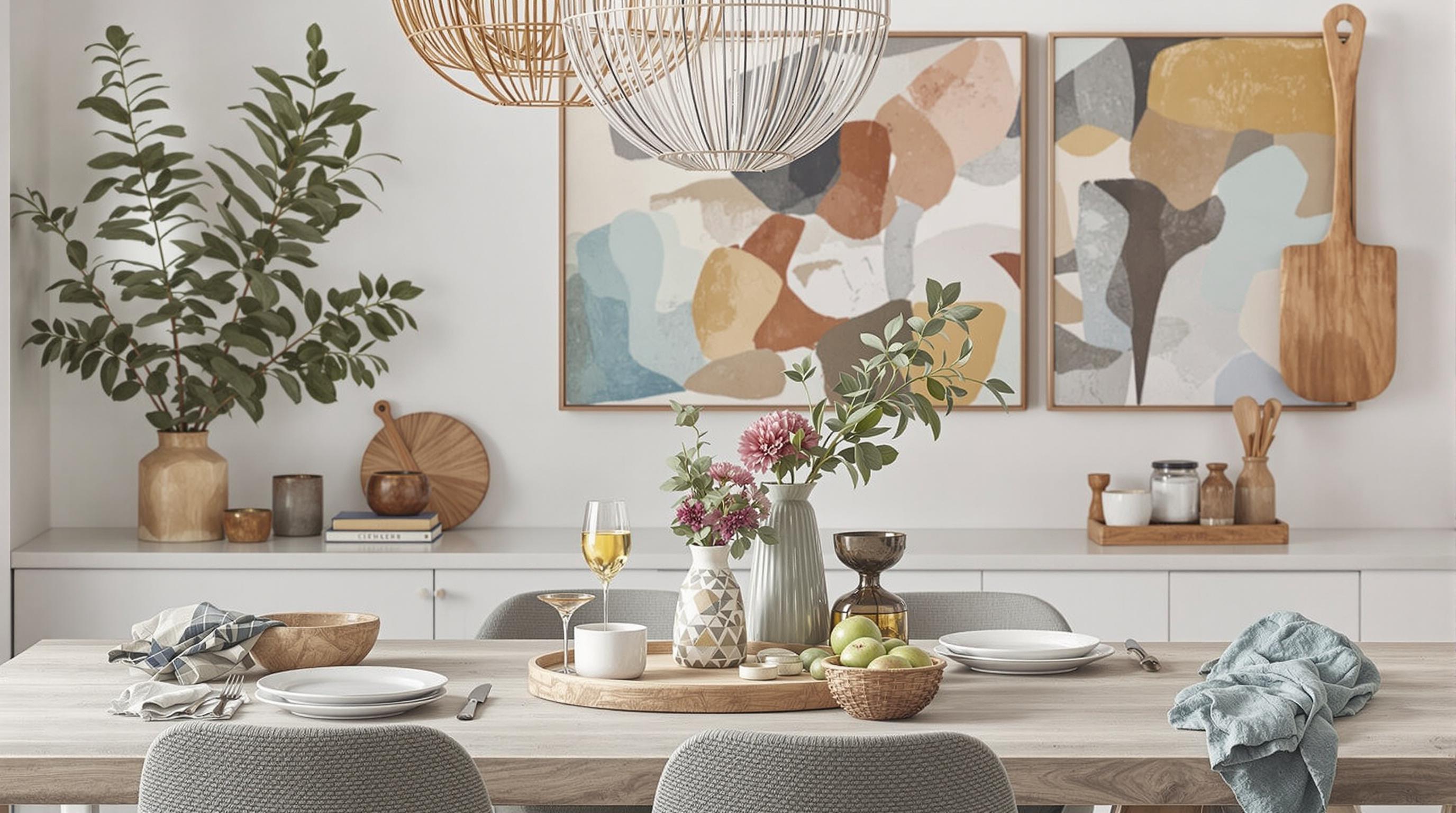
Today, the art of table setting continues to evolve, embracing minimalism while also cherishing heirlooms that tell stories of family gatherings. Modern settings might feature rustic wooden boards alongside artisanal pottery, creating a bridge between past traditions and contemporary aesthetics.
2. The Legacy of Culinary Utensils
Culinary utensils tell tales of human ingenuity and adaptability. The fork, which we casually use today, has its roots in ancient civilizations. It was initially met with resistance; the thought of using one to eat was deemed frivolous by some cultures. However, as culinary practices evolved with an increased focus on hygiene and etiquette, the fork became an essential item in Western dining.
The Japanese spirit of craftsmanship is epitomized in their kitchen utensils, particularly the chef's knife or "hocho." Each knife is crafted painstakingly over generations, with artisans passing down techniques that have remained largely unchanged for centuries. These knives are not merely tools but extensions of the chef's intent, embodying a cultural legacy that prioritizes precision and respect for ingredients.
Meanwhile, the humble wooden spoon, found in kitchens worldwide, serves as a reminder of simpler times. Carved by hand from local wood, it holds memories of family recipes passed from one generation to the next, bringing warmth to the art of cooking.
3. Dining Spaces Through the Ages
Dining spaces have always reflected the era and culture they belong to. The grandeur of medieval banquet halls, adorned with tapestries and lit by torches, fostered a communal atmosphere. These historical environments emphasized feasting as a social event, blending performance and sustenance.
With the Renaissance, the dining room in European homes began to emerge as a private space. This shift signaled a growing interest in the refinement of self and space. The merging of art with dining decor meant that walls were adorned with rich paintings and opulent furniture became symbols of status.
In contrast, the Japanese concept of "wa" or harmony manifests beautifully in their dining spaces where simplicity prevails. Tatami mats and low tables invite intimacy and reflection, prioritizing the shared experience over ostentation. The quiet elegance of such spaces has now influenced modern interior design across the globe.
4. The Importance of Cultural Traditions
Cultural traditions shape the way we perceive and engage with food and dining. Take, for instance, the practice of communal eating in many African cultures. Meals are shared from a central pot, reflecting communal bonds and reinforcing family ties. This style of dining emphasizes the significance of togetherness in enjoying life's pleasures.
In contrast, Western cultures often gravitate towards individual servings, a practice that signifies personal space. However, even in this individualism, one can find echoes of shared traditions, such as the Thanksgiving dinner in the United States, which seeks to bring families together in gratitude and abundance.
The concept of the meal as a ritual is echoed in the Jewish tradition of Shabbat, a weekly observance that’s not only about food but also about spiritual renewal. The lighting of candles and breaking of bread signifies a structured approach to peace and reflection amidst daily chaos.
5. The Allure of Exotic Ingredients
Exotic ingredients can transform a dish and evoke stories of distant lands. The fascination with spices like saffron, which was once worth its weight in gold, reveals much about historical trade routes and cultural exchanges. As ancient civilizations explored new territories, they brought back tastes that would forever alter culinary adventures.
Take, for example, the introduction of chili peppers to the European palate after their discovery in the Americas. This fiery ingredient not only heated up cuisines but also mixed cultural identities, making dishes more vibrant and exciting. Today, the influence of such exotic flavors is evident in fusion cuisines that celebrate diversity.
Moreover, ingredients tell stories of migration and adaptation. The sweet potato, which traveled from the Americas to Polynesia, transformed culinary practices in its new home. Today, it serves as a staple aspect of traditional dishes in many islands, demonstrating the interconnectedness of food cultures across the globe.
6. The Aesthetics of Food Presentation
The visual appeal of food has transcended generations, becoming an art form in its own right. In the age of Instagram, food presentation is paramount, echoing the traditional practices of haute cuisine where plating is as significant as the taste itself. Chefs like Auguste Escoffier emphasized presentation not merely to please the eye but to enhance the overall dining experience.
In various cultures, the serving style itself speaks volumes. The Japanese kaiseki meal meticulously presents seasonal ingredients in multiple courses, reflecting nature's beauty and the passage of time. Each plate is a testament to culinary creativity while honoring simplicity and balance.
Conversely, in Spanish tapas culture, the casual arrangement of multiple small plates encourages playful interaction and a communal spirit. The aesthetic lies not just in how the food looks but in how it invites connections, making every shared bite a moment to savor.
7. Historical Influences on Culinary Tools
The evolution of culinary tools mirrors human progress and ambition. The introduction of metal cookware during the Bronze Age revolutionized cooking techniques, allowing for even heat distribution and enhancing flavors. This symbolism of human advancement persisted as new materials and designs emerged throughout history.
Japanese cooking tools, such as the "tatara" (a traditional smelter for iron), reveal the deep cultural reverence for craftsmanship. With iron tools, the culinary landscape expanded, allowing for more intricate cooking methods, such as grilling and stewing, that defined Japanese cuisine.
Meanwhile, the rise of the microwave in the late 20th century blurred lines between tradition and modernity. Although criticized for fast food culture, it also paved the way for new culinary experiments that would enable busy lives to embrace home-cooked meals, reshaping the way people relate to cooking and eating.
8. The Evolution of Baking Implements
Baking is as much a science as it is an art, heavily reliant on specialized tools. The rolling pin, with its ancient roots in Egypt, has undergone transformations, reflecting changes in baking techniques. Initially used to flatten dough, its evolution showcased humanity's innovation and desire for efficiency in the kitchen.
In medieval Europe, bread-making rituals became significant in social and religious contexts. The communal ovens served not only as baking spaces but as gathering spots, showing how baking tools intertwined with community life. This legacy continues in artisanal practices where the handmade aspect preserves meaningful connections to the past.
The rise of non-stick bakeware in the 20th century revolutionized home baking, making it more accessible to amateurs. Today, tools like stand mixers have become essential in democratizing baking, allowing novices and professionals alike to create masterpieces in their kitchens.
9. The Symbolism of Dining Rituals
Dining rituals often encapsulate cultural values, from expressing gratitude to celebrating community. The ceremonial aspect of breaking bread resonates through various traditions worldwide. For instance, the Moroccan tagine dinner highlights the importance of hospitality, where shared meals signify warmth and welcome.
In the realm of religious practices, the Indian festival of Diwali features elaborate feasts where each dish is a token of blessings shared among family and friends. The act of cooking and serving takes on a deeper meaning, transforming food into a vessel of love and togetherness.
Even secular events, like birthday parties, feature the ritual of cake cutting—symbolizing the celebration of life. The communal joy surrounding such moments illustrates how dining practices can imbue ordinary meals with extraordinary significance.
10. The Culinary Journey of Beverages
The production of beverages tells its own historical tale, with tea and coffee playing pivotal roles in shaping social structures. Tea drinking, particularly in British culture, became a ritualistic afternoon affair, symbolizing both refinement and camaraderie. This tradition has inspired the contemporary tea parties that take place globally.
Similarly, coffee's journey from the Arab world to European cafés revolutionized social interaction, providing spaces for intellectual discourse. The coffeehouse emerged as a hub of ideas, blending the art of drink with the spirit of community, paving the way for modern cafes, where every sip fosters connection.
Wine culture, with its rich historical nuances, speaks volumes about ancient civilizations' reverence for this beverage. From Roman symposiums to contemporary wine tasting, the art of pairing wine with dishes reflects a sophisticated understanding of balance and flavor that continues to captivate the culinary world.
Read More