Related Articles
- Bizarre Wonders: Crafting Functional Ornaments from Obsolete Household Gadgets and Oddities
- Eco-Chemistry: Innovative Projects Using Upcycled Materials from Your Kitchen for Sustainable Living
- Mystical Metamorphosis: Crafting Enchanted Home Decor from Unwanted Childhood Toys and Forgotten Doll Parts
- Color Cravings: Exploring the Unconventional Links Between Food Choices and Fashion Statements
- Hues of Controversy: The Surprising Ties Between Color Choices and Ethical Consumerism Trends
- Color Waves: Exploring the Impact of Music on Visual Aesthetics in Art and Fashion Choices
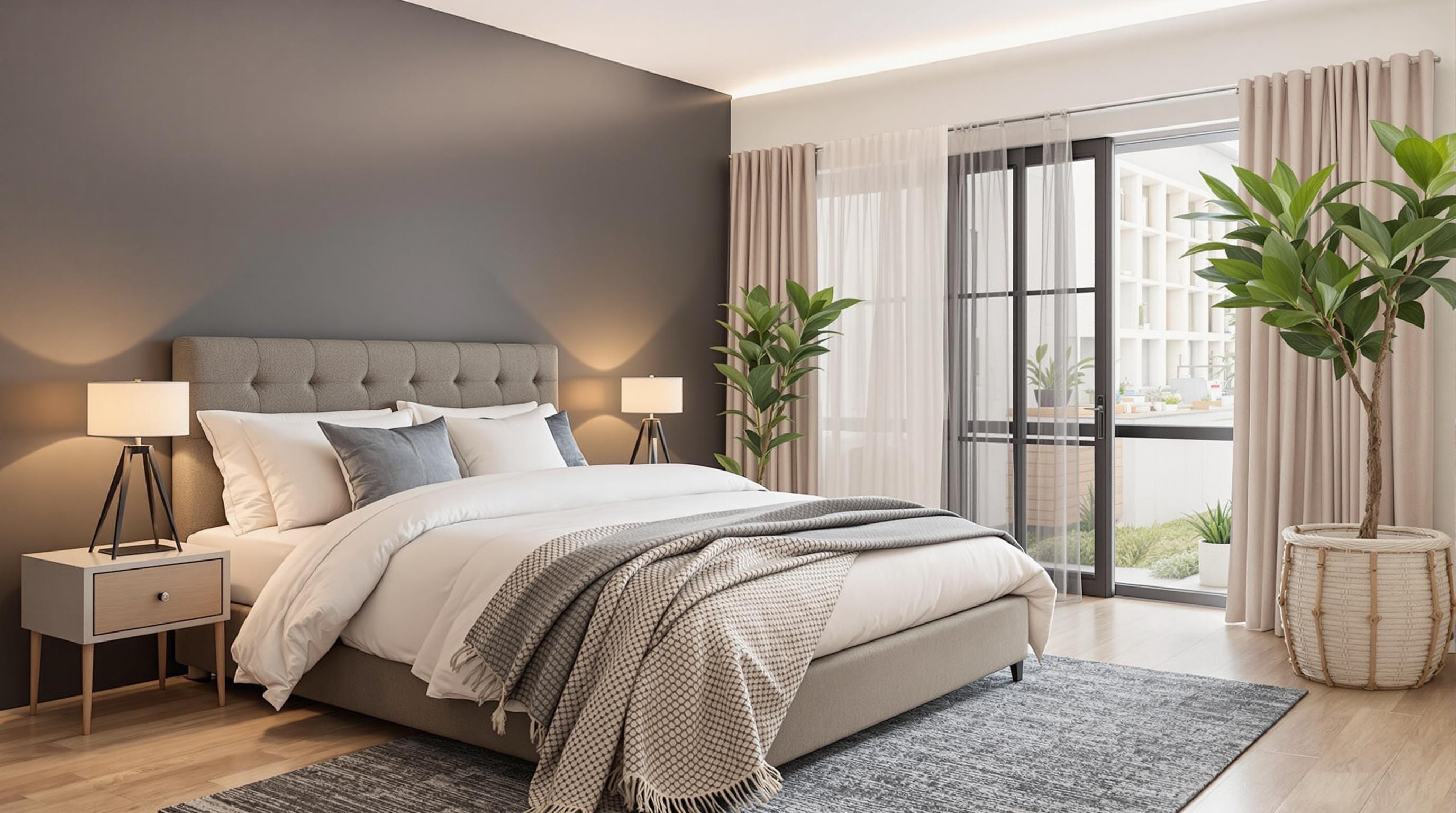
7 Clever Bedroom Furnishing Tips to Elevate Functionality and Enhance Your Sleep Sanctuary's Efficiency and Ambiance
7 Clever Bedroom Furnishing Tips to Elevate Functionality and Enhance Your Sleep Sanctuary's Efficiency and Ambiance
7 Clever Bedroom Furnishing Tips to Elevate Functionality and Enhance Your Sleep Sanctuary's Efficiency and Ambiance
1. Invest in Multi-Functional Furniture
In today’s compact living spaces, selecting multi-functional furniture is a smart choice for maximizing utility in your bedroom. Pieces such as storage beds or ottomans with hidden compartments can provide additional space for linens or off-season clothing, keeping your sanctuary tidy and organized. This organization can contribute to a more peaceful sleeping environment.
Moreover, consider a fold-out desk or wall-mounted shelves that can serve as both a study area and display space. These options help to eliminate bulky furniture, allowing for a more streamlined look while maintaining necessary functionality. By having furniture that serves dual purposes, you can create an efficient space for both work and rest.
Keeping your bedroom free from clutter promotes a tranquil atmosphere, leading to improved sleep quality. According to the National Sleep Foundation, a clean and organized space is important for mental clarity, which can help facilitate better sleep habits.
2. Choose Soothing Color Palettes
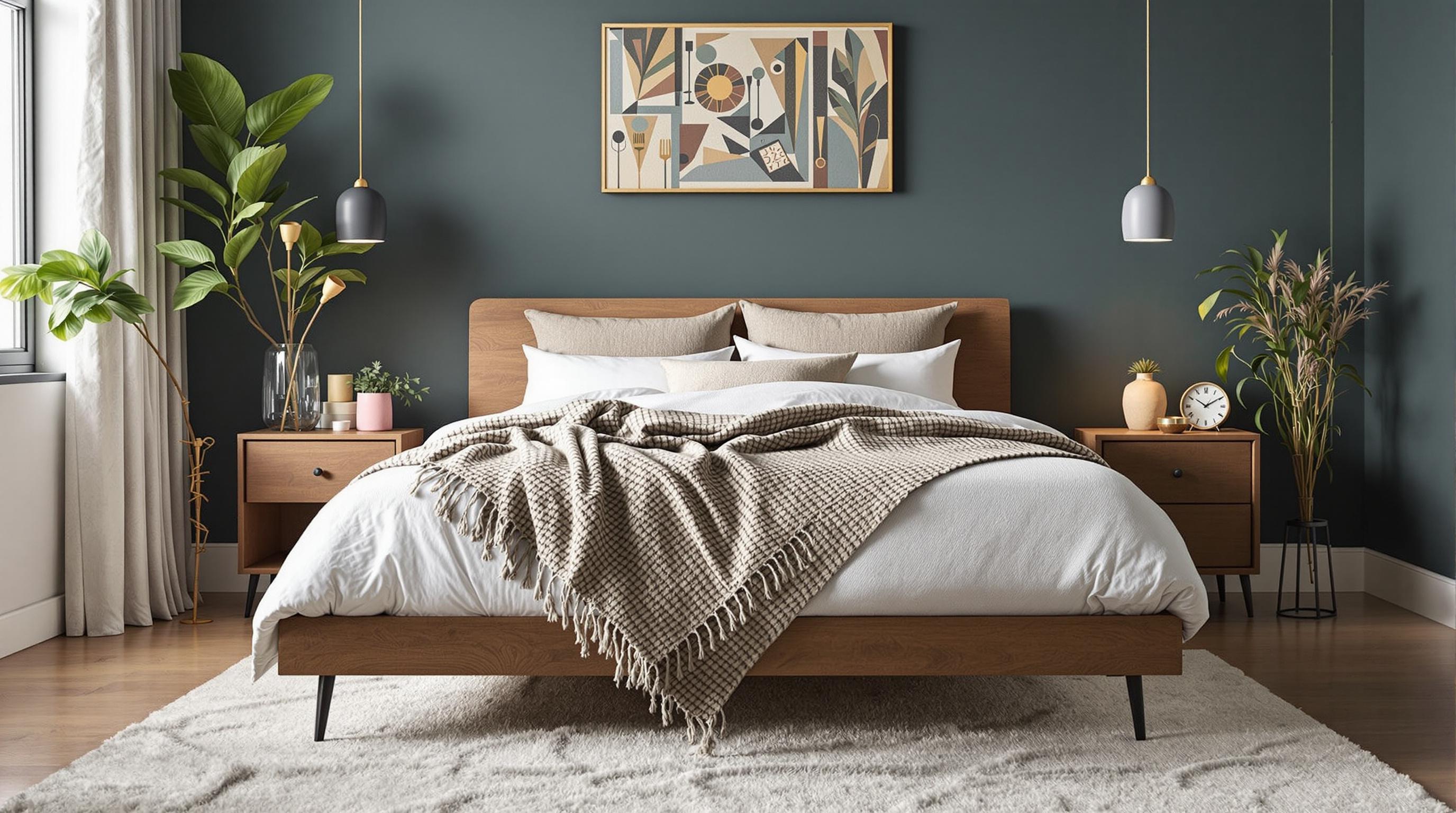
The colors you incorporate into your bedroom can significantly impact your mood and relaxation levels. Soft, muted tones such as blues, greens, and neutrals create a calming environment, making it easier for the body to transition into sleep. These colors tend to evoke feelings of tranquility and comfort, essential for a restful night.
In contrast, vibrant or overly stimulating shades can be too energizing, potentially hindering your ability to unwind. If a certain bold color is important to you, try using it as an accent rather than the dominant hue. This approach allows you to maintain your personal style without compromising the room’s overall ambiance.
According to studies conducted by color experts, the hues we surround ourselves with can influence our emotional states and even affect sleep patterns. Therefore, taking the time to select a harmonious color scheme can significantly enhance your sleep quality.
3. Incorporate Eye-Catching Textiles
Textiles play a crucial role in enhancing the comfort and aesthetic of your bedroom. From plush bedding and soft throw pillows to intricate area rugs, investing in high-quality textiles not only elevates the visual appeal of the room but also improves the tactile experience. Fabrics that are soft to the touch create a warm and inviting atmosphere, encouraging relaxation.
Layering textiles through various beddings and curtains can also add depth to the decor. Mixing different materials, like linen sheets with a soft knitted throw, can contribute to both style and comfort. Keep in mind that the right textiles can regulate temperature; natural fibers such as cotton and wool breathe well, ensuring a comfortable sleep temperature year-round.
Additionally, incorporating different textures can satisfy aesthetic desires while satisfying sensory preferences. Engaging your sense of touch not only brings warmth to your space but also serves as a gentle reminder of the sanctuary that you have created for rest.
4. Optimize Lighting Options
Proper lighting is essential for creating the right mood in your bedroom. A combination of ambient, task, and accent lighting can help tailor your space based on the time of day or activity. Dimmer switches allow you to lower the brightness to create a soothing atmosphere conducive to winding down before bed.
Utilizing bedside lamps with warm hues can replace harsh overhead lighting. Consider organizing your lighting to include adjustable fixtures, like sconces or smart options, that can be manipulated based on task requirements. Reading lights, for instance, should provide sufficient illumination without overwhelming the senses.
A well-lit room also serves practical functions, as it eases navigation during nighttime activities. Understanding the relationship between lighting and sleep hygiene will help you design a room that fosters relaxation and promotes restorative sleep.
5. Create a Dedicated Sleep Zone
In our modern lives, bedrooms often serve multiple purposes, but it's important to designate a clear and distinct area primarily for restful sleep. This means minimizing distractions by removing work-related items or entertainment technology, such as televisions and computers. Cultivating a space focused on sleep can condition your mind, signaling it that this area is solely for rest.
Consider using partitions or subtle room dividers to help create a defined area within a larger bedroom. This can psychologically separate the sleep zone from other activities, reinforcing the space's intended function. By maintaining a clutter-free sleeping area, you promote mental clarity, which is pivotal for a good night's rest.
The National Institutes of Health emphasizes the significance of establishing sleep hygiene practices that encourage restorative sleep, including associating your bedroom solely with sleep. The intention behind designating this space can strengthen the psychological connection to sleep and relaxation.
6. Elevate with Greenery
Integrating plants into your bedroom environment not only enhances the room's aesthetics but can also improve air quality and aid relaxation. Certain houseplants, such as snake plants and peace lilies, release oxygen and absorb toxins in the air, creating a healthier atmosphere. The added benefit of nurturing a living element can contribute to emotional well-being.
Plants can bring a sense of tranquility into the space, calming a busy mind and promoting relaxation. The presence of greenery has been shown to reduce stress levels and improve overall mood, making it easier to unwind after a long day.
When selecting plants for your bedroom, be mindful of the types that thrive in low-light conditions. This way, you can enrich your sleep sanctuary without compromising plant health. The beauty and serenity of greenery can foster an environment that encourages restful sleep.
7. Personalize Your Space
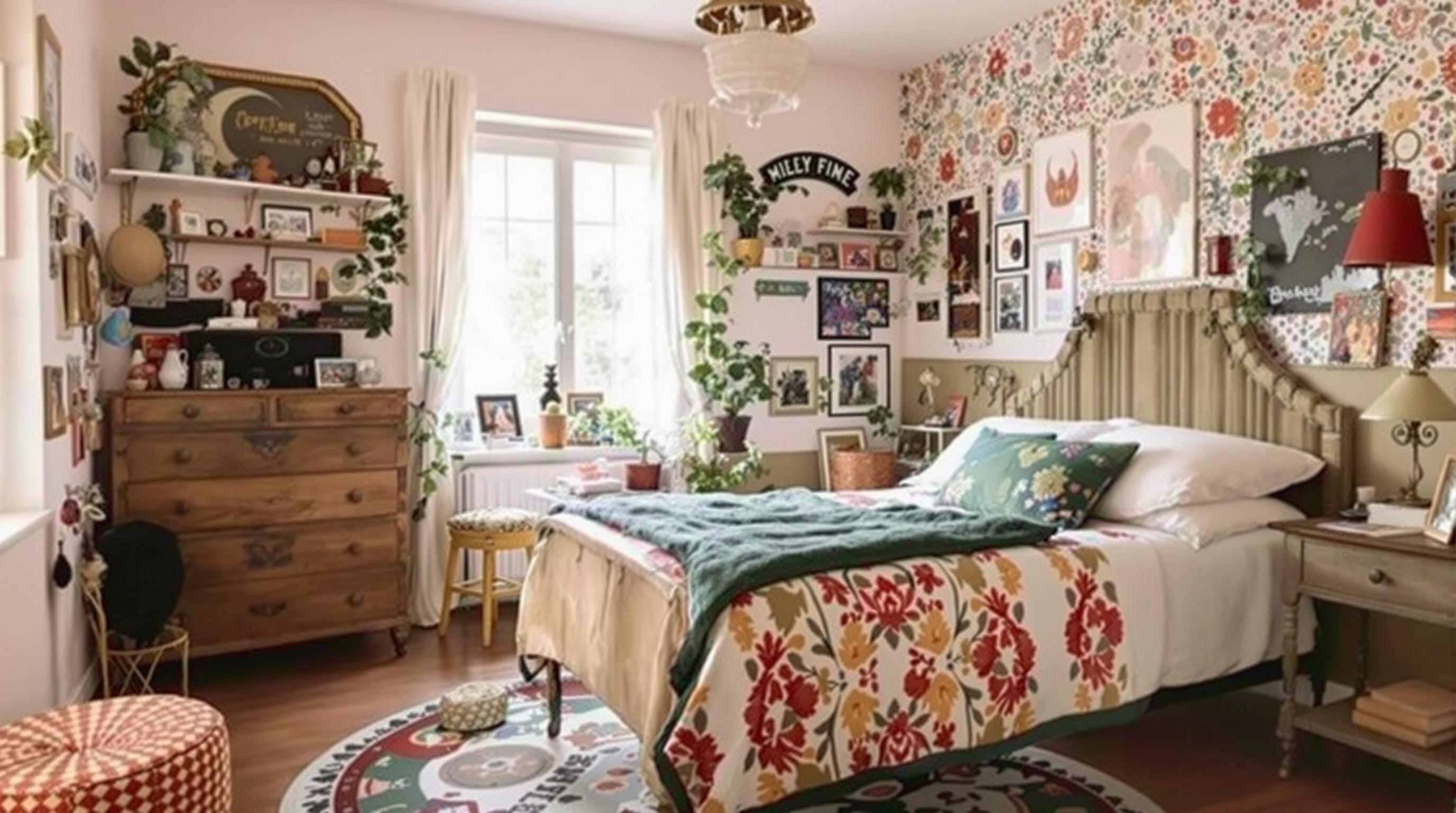
Lastly, your bedroom should reflect your personal style and create a sense of belonging, which can positively impact your overall mood. Incorporate meaningful decor items, such as art or photos that resonate with you, to infuse your sleep sanctuary with your unique personality. These personalized touches can transform the space from a mere sleeping area into a reflection of who you are.
Additionally, consider using sentimental items that bring joy and positivity. Whether it’s a family heirloom or a favorite piece of art, personal items can serve as comforting reminders, creating an emotional connection that enhances relaxation.
According to the American Psychological Association, personal surroundings play an essential role in overall well-being. Carefully curating your bedroom space not only enhances aesthetics but also reflects your identity, fostering a deeper emotional connection that can translate to improved sleep quality.
Read More