Related Articles
- Bizarre Wonders: Crafting Functional Ornaments from Obsolete Household Gadgets and Oddities
- Eco-Chemistry: Innovative Projects Using Upcycled Materials from Your Kitchen for Sustainable Living
- Mystical Metamorphosis: Crafting Enchanted Home Decor from Unwanted Childhood Toys and Forgotten Doll Parts
- Color Cravings: Exploring the Unconventional Links Between Food Choices and Fashion Statements
- Hues of Controversy: The Surprising Ties Between Color Choices and Ethical Consumerism Trends
- Color Waves: Exploring the Impact of Music on Visual Aesthetics in Art and Fashion Choices
Wonders of Biophilic Design: Infusing Natural Elements for an Inviting Living Room Sanctuary
Wonders of Biophilic Design: Infusing Natural Elements for an Inviting Living Room Sanctuary
Biophilic design integrates natural elements into our living spaces, creating an inviting atmosphere that enhances well-being. This article explores various facets of biophilic design, offering insights, benefits, and practical tips to transform your living room into a peaceful sanctuary.
Understanding Biophilic Design
Imagine stepping into a living room where nature’s essence wraps around you like a snug blanket. This isn’t just a dream; it’s a reality achievable with biophilic design. Coined by psychologist Eric Fromm in the 1960s, the term "biophilia" suggests that humans have an innate connection to nature. While it may sound new-age, numerous studies underscore the significant impact of natural elements on our mental and physical well-being.
The Science Behind Natural Elements
Research shows that incorporating natural elements can reduce stress, enhance creativity, and improve overall mood. A study published in “Environmental Health Perspectives” revealed that exposure to nature can lead to a 20% decrease in stress hormones. Isn’t that wild? By inviting nature indoors, you can create a therapeutic environment that heals your spirit.
Pause for the Cause: A Personal Anecdote
As a 32-year-old who recently transitioned into remote work, my initital living room was very much a product of necessity, with just a desk and a chair. One day, feeling particularly drained after several Zoom meetings, I decided to experiment. I placed a few potted plants around, hung some nature-inspired artwork, and suddenly, my once uninspired workspace transformed into a cozy retreat that fostered creativity. I began sipping tea surrounded by greenery, magically turning my living room into a haven of productivity and calm.
Elements of Biophilic Design
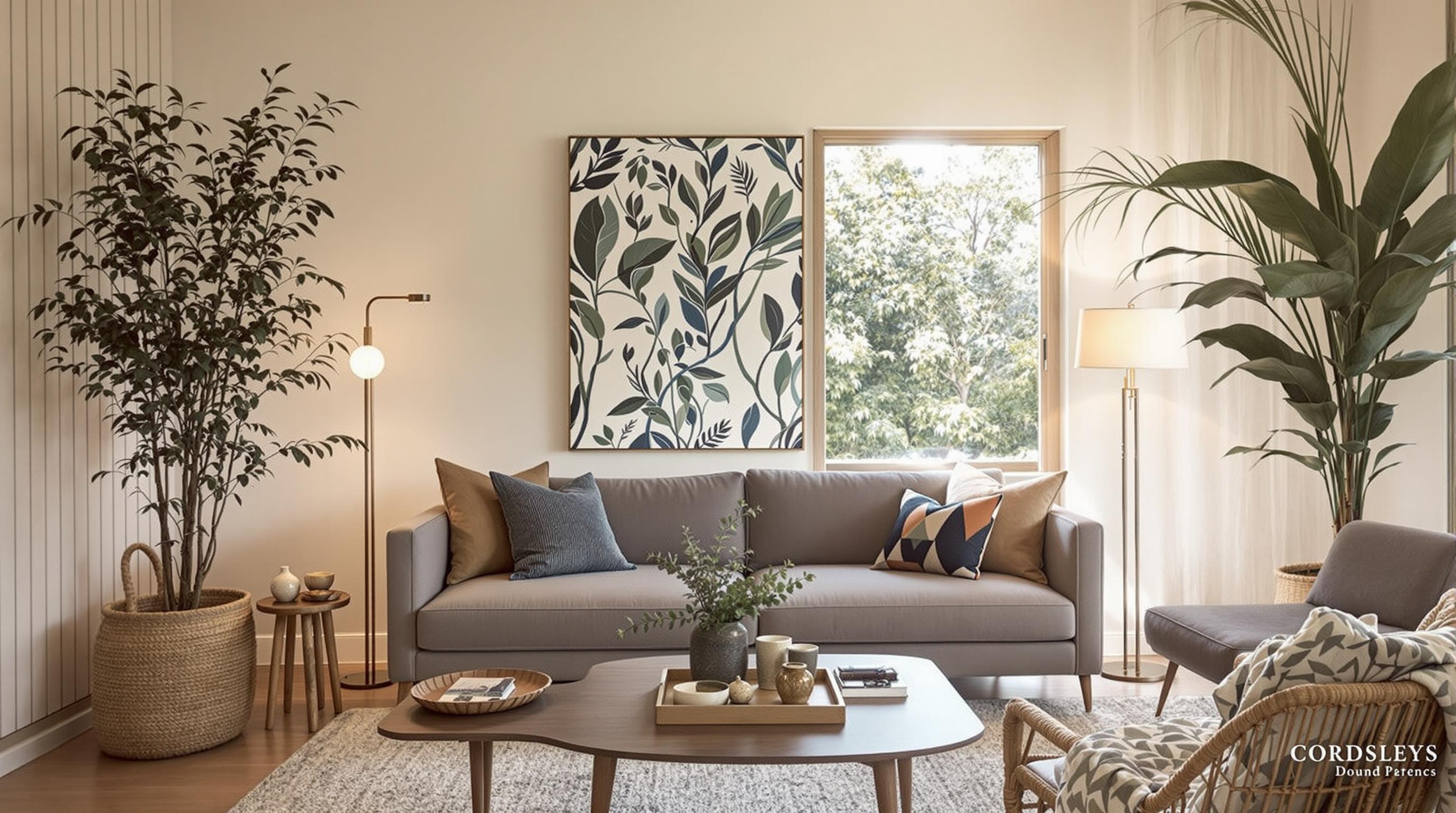
So, what does a biophilic living room actually look like? Don’t worry! It doesn’t require a complete overhaul of your space. Here are key elements that can seamlessly infuse your living space with nature.
Natural Light: Let the Sunshine In!
Natural light is crucial. In fact, studies have shown that workplaces with abundant daylight report a 15% increase in productivity (Hichaaba, E., et al., "The Impact of Natural Light on Employee Performance"). If you can, maximize windows or consider tying sheer curtains to let the sunlight flood in and illuminate your living room. And don’t forget about skylights! Even if you can’t remodel your ceiling, strategically placing mirrors can reflect light, enhancing brightness without the cost.
Greenery: The Skin of the Earth
Greenery creates a calming ambiance. Research conducted by the American Psychological Association indicates that plants can significantly reduce stress levels. From ferns to succulents, a collection of indoor plants adds color and purifies the air, which is always a bonus. Use varied heights and textures to make a captivating indoor jungle. I suggest browsing your local plant nursery—trust me, you might just fall in love with the Low-Maintenance ZZ plant.
Case Study: The Power of Plants
Think about the case of a popular co-working space, WeWork. Several of their venues are designed with biophilic principles in mind, integrating indoor gardens and working spaces that invite nature in. This not only enhances their aesthetic but has been shown to boost employee satisfaction and productivity. Isn’t that something to consider for our own homes?
Textures Inspired by Nature
Why limit yourself to just sight? Textiles and materials inspired by nature can elevate the tactile experience of your living room. Consider investing in soft wool throws, linen pillows, and jute rugs. These elements evoke feelings of comfort while connecting your space to the natural world. Don’t shy away from mixing organic textures and patterns—it’s all about creating layers that invite exploration.
Color Palettes: Embrace Earthy Tones
Colors play a significant role in how a room feels. Biophilic design often emphasizes earthy tones such as greens, browns, and soft blues. These colors resonate with nature, fostering a sense of peace and serenity. If an extreme makeover palette frightens you, start with small accessories. A few green cushions or a sandy-colored rug can make a surprising impact!
Water Features: Find Your Flow
Water has a magical quality in design, providing soothing sounds reminiscent of outdoor environments. A small indoor fountain or even a decorative bowl of water can promote relaxation and help drown out intrusive noises from the outside world. The benefits of such elements are outlined in a study from the University of Woolongong, showing that the sound of water can reduce stress and lower blood pressure. Just be careful not to turn your room into an indoor swamp—balance is key!
Creating Focal Points
Every living room should have a conversation starter. Why not let biophilic design create it? Whether it’s a stunning piece of driftwood, a vibrant plant arrangement, or a large mural of a serene landscape, crafting a focal point draws the eye and invites engagement. If you love storytelling, consider showcasing travel memorabilia from nature trips that highlight your adventures, igniting conversation and inspiration for guests.
Case Study: Urban Sanctuaries
Look at some urban sanctuaries like “The High Line” in New York City. This elevated park showcases how nature can thrive in metropolitan spaces. By integrating natural elements into urban design, it creates a peaceful atmosphere for residents and tourists alike. If a city can do it, so can you—albeit on a smaller scale!
Wrap It Up: Personal Touches Matter
Now that you have a toolkit of ideas, it’s essential to personalize your living room sanctuary. What does *your* version of nature look like? Incorporate artifacts that resonate with your personality. Perhaps you prefer boho decor or vintage pieces passed down from family. The magic lies not just in the elements you choose, but in how each item tells your story.
The Bottom Line: A Call to Action
Creating a biophilic living room is not just about style; it’s about nurturing your well-being. As you incorporate these natural elements, keep in mind the tremendous benefits they offer. You can enhance your mood, reduce stress levels, and transform your living space into a true sanctuary of peace and creativity.
So, roll up your sleeves, visit your local garden center, and make those changes! Little by little, you’ll see your living room bloom, not just as a design choice but as a lifestyle shift towards embracing nature every day.
Conclusion: The Future of Design is Green
In a world that often feels disconnected from nature, biophilic design offers a solution that’s both refreshing and healing. It reminds us of the innate beauty and tranquility found in natural elements, urging us to bring them back into our everyday lives—even if we start small. Join the movement towards creating a living room that reflects both your style and your connection to the world around you. Embrace these principles and watch as your living area transforms into a sanctuary that invites you to relax, create, and be your best self.
Read More