Related Articles
- Bizarre Wonders: Crafting Functional Ornaments from Obsolete Household Gadgets and Oddities
- Eco-Chemistry: Innovative Projects Using Upcycled Materials from Your Kitchen for Sustainable Living
- Mystical Metamorphosis: Crafting Enchanted Home Decor from Unwanted Childhood Toys and Forgotten Doll Parts
- Color Cravings: Exploring the Unconventional Links Between Food Choices and Fashion Statements
- Hues of Controversy: The Surprising Ties Between Color Choices and Ethical Consumerism Trends
- Color Waves: Exploring the Impact of Music on Visual Aesthetics in Art and Fashion Choices
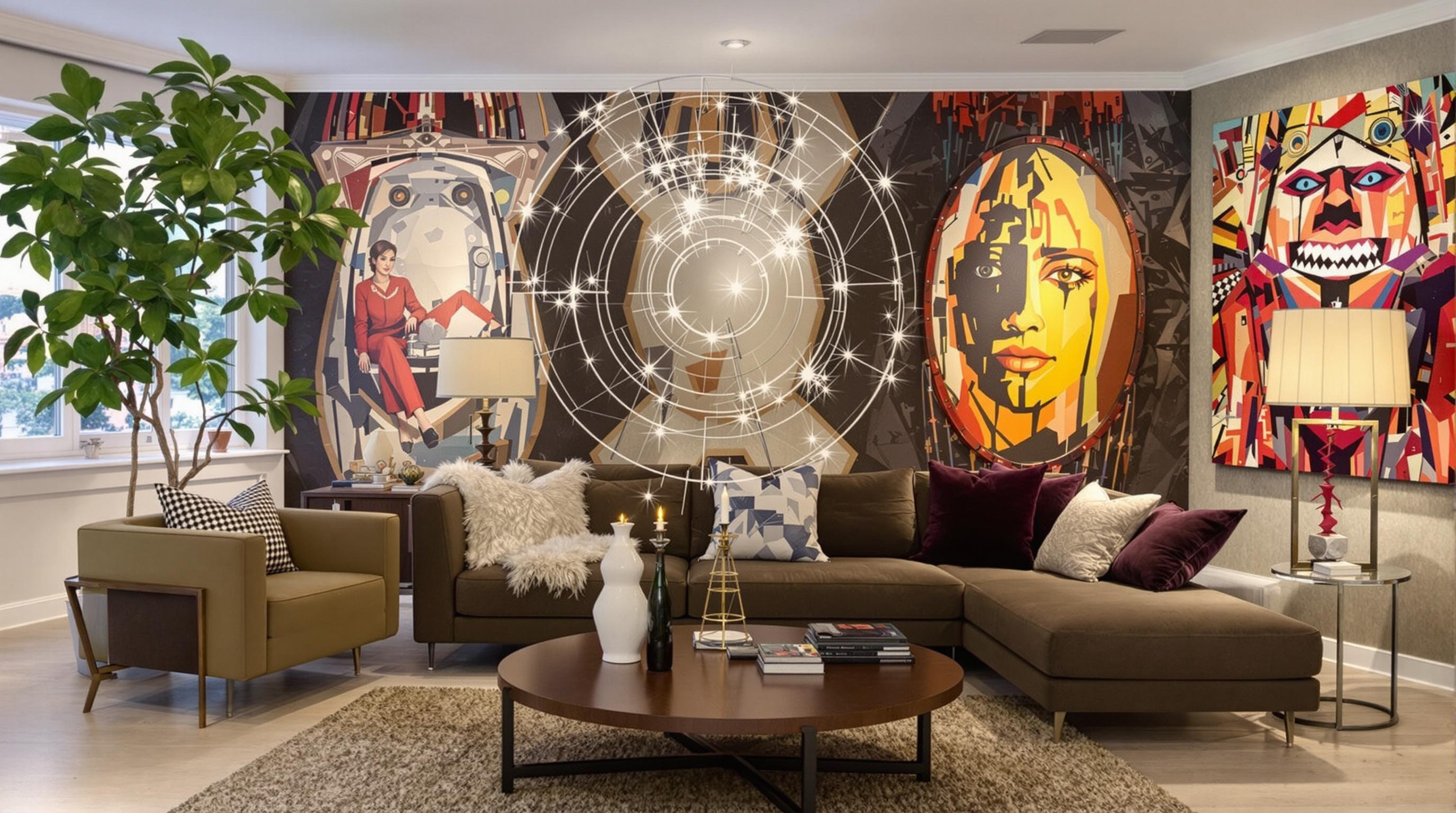
Whimsical Whirl: Exploring the Allure of Kinetic Art Installations in Living Room Design
Whimsical Whirl: Exploring the Allure of Kinetic Art Installations in Living Room Design
The whimsical world of kinetic art installations is an enticing addition to living room design, captivating observers and enhancing the atmosphere of any space. By weaving together movement, creativity, and personal expression, these installations transform static environments into dynamic works of art.
The Essence of Kinetic Art
Kinetic art, a term that represents artwork that incorporates movement, first emerged in the early 20th century. It's a delightful fusion of science and creativity, where motion is harnessed to evoke emotions, challenge perceptions, and inspire dialogues. Renowned artists like Alexander Calder and Jean Tinguely are instrumental in bringing kinetic art into the limelight, experimenting with mechanisms and devices that set their creations in motion. As of 2023, the market for kinetic art has seen a significant increase, with a growing number of collectors and galleries focused on this vibrant genre.
The Allure of Movement in Design
Have you ever stood transfixed by the gentle sway of a mobile or the rhythmic spirals of a kinetic sculpture? There’s something inherently mesmerizing about the act of watching art move. The allure of kinetic installations in living rooms isn’t just about aesthetics; it’s about creating an ambiance that fosters conversation and engagement. According to a survey by the *Art Institute of Chicago*, approximately 68% of people reported feeling more relaxed in spaces that incorporate art, and kinetic installations amplify this effect by providing continual visual stimulation.
Case Studies: Transformative Installations
Take, for instance, the case of a family in San Francisco that replaced a traditional centerpiece in their living room with a stunning kinetic sculpture by artist Victor Vasarely. The piece, titled “Movement in Color,” features geometric forms that shift and change with the flicker of ambient light and the slightest breeze. Observers report that not only did the room gain character, but family gatherings exploded with excitement, as guests found themselves drawn to the sculpture's ever-changing charms!
Statistics that Spark Interest
In another case, a study highlighted that environments featuring kinetic art can enhance creativity by approximately 40% compared to traditional settings (source: *Journal of Design Research*). Think about it; as you sit back and soak in the movement of a kinetic piece, your mind stirs with curiosity, innovation, and inspiration. Why not harness that potential in your living room?
Integrating Kinetic Art into Your Living Space
Are you ready to dive into the whimsical whirl of kinetic art? The first step in integrating kinetic pieces into your living space is to evaluate your existing décor. A visually clean slate can provide an ideal backdrop for the vibrant movement of kinetic art. When selecting a piece, consider the scale, color palette, and materials. For example, a sleek metallic mobile might suit a contemporary room fitted with minimalist furniture, while a wooden kinetic sculpture could fit beautifully in a rustic setting. Look for pieces that resonate with your personal style and blend seamlessly with your living space.
DIY Kinetic Art Ideas
If you're feeling crafty, why not try your hand at making your own kinetic art? Here’s a simple DIY idea: With just a few materials—wooden dowels, fishing line, and some light plastic shapes—you can create a mobile that dances in the air with the slightest touch of a breeze. Assembling your own piece not only gives you an opportunity to personalize your art but also becomes a conversation starter. Imagine telling your friends how that piece in the corner is a product of your own creativity!
Humor in Kinetic Art
Let's not forget the fun aspect! Picture this: you’re having a dinner party, and your kinetic art starts to misbehave, spinning wildly as your guests attempt to eat. Laughter erupts as someone quips, “Looks like my lunch is about to take flight!” It’s these moments that make kinetic art a delightful addition to your home, adding a sprinkle of unpredictability and a dash of joy to your everyday life.
The Emotional Impact of Kinetic Designs
Many artists believe that kinetic art can evoke deeper emotional responses than static pieces. When something moves, it draws your eye and keeps you engaged. For example, an installation that changes with the lighting throughout the day can create a sense of peace in the morning and a feeling of vibrancy in the afternoon. Art that evolves invites spectators to engage with it repeatedly, discovering new perspectives and emotions each time.
Cultural Impacts and Iconic Installations
Let’s turn our attention to instances where kinetic art has left indelible marks on culture. One prime example is the “The Wind Portal” in Albuquerque, New Mexico, an outdoor kinetic sculpture that honors the winds of the American Southwest. Not only does it pay homage to from where it stands, but it also provides a welcoming act of motion that integrates beautifully with the natural environment. Kinetic installations can create connections between people, places, and histories, creating a narrative that resonates with viewers.
Choosing the Right Piece for Your Audience
When considering kinetic art for living spaces, it’s essential to think about your audience. Are you an eclectic collector with a penchant for abstract forms, or do you prefer whimsical designs that tell a story? For example, an intricate automaton could be enthralling to younger guests, while a sleek kinetic piece may resonate more with an older crowd. This kind of consideration emphasizes the importance of context when selecting art, creating an environment that’s inclusive and engaging for everyone.
Creating an Artistic Conversation Space
Visual art has long been a bridge for conversation, and kinetic art serves this role particularly well. The intriguing nature of movement invites the viewer to share their interpretations and thoughts. Setting up your living room to encourage dialogue can involve positioning your kinetic art prominently, combining it with comfortable seating and perhaps a cozy coffee table for discussion. Consider the “cabaret” style of hosting: where guests rotate around the kinetic center. By encouraging participatory dialogues about the art, you create an immersive experience that enhances connections among guests.
Balance and Harmony in Design
Balance is paramount in design, and kinetic art can be a unique way to achieve this in your living room. The movement in an art piece can counterbalance the stillness of furniture, creating an aesthetically pleasing environment that pulls the viewer’s eye across the room. Additionally, it acts as a focal point that harmonizes with the other elements of your living space, whether you're aiming for sleek modernity or comforting nostalgia.
Future Trends in Kinetic Art
The future of kinetic art is bright, with advancements in technology leading to new and exciting possibilities. Artists are increasingly integrating interactive elements that allow viewers to control movements or change effects via apps or sensors. Imagine a sculpture that reacts to the sound of your laughter or alters its colors based on your mood. As we become more conscious of emotional well-being in design, we can expect to see a rise in installations that promote mindfulness and connection to the present moment.
Conclusion: Let the Whimsical Whirl Begin
In conclusion, the incorporation of kinetic art installations into living room design is more than a whimsical indulgence; it offers a nuanced exploration of movement, emotion, and interaction. Whether you opt for a striking centerpiece or a subtle mobile, these installations not only enliven your space but also foster connection, creativity, and conversation. So go ahead—embrace the whirl of kinetic art and allow your living room to flourish into a dynamic space that engages and inspires all who enter. Let the playful dance of art set the tone for your home—it may just be the life-lifter you never knew you needed.
Read More