Related Articles
- Bizarre Wonders: Crafting Functional Ornaments from Obsolete Household Gadgets and Oddities
- Eco-Chemistry: Innovative Projects Using Upcycled Materials from Your Kitchen for Sustainable Living
- Mystical Metamorphosis: Crafting Enchanted Home Decor from Unwanted Childhood Toys and Forgotten Doll Parts
- Color Cravings: Exploring the Unconventional Links Between Food Choices and Fashion Statements
- Hues of Controversy: The Surprising Ties Between Color Choices and Ethical Consumerism Trends
- Color Waves: Exploring the Impact of Music on Visual Aesthetics in Art and Fashion Choices
Nature's Touch: Incorporating Biophilic Design to Bring the Outdoors into Your Living Room Aesthetic
Nature's Touch: Incorporating Biophilic Design to Bring the Outdoors into Your Living Room Aesthetic
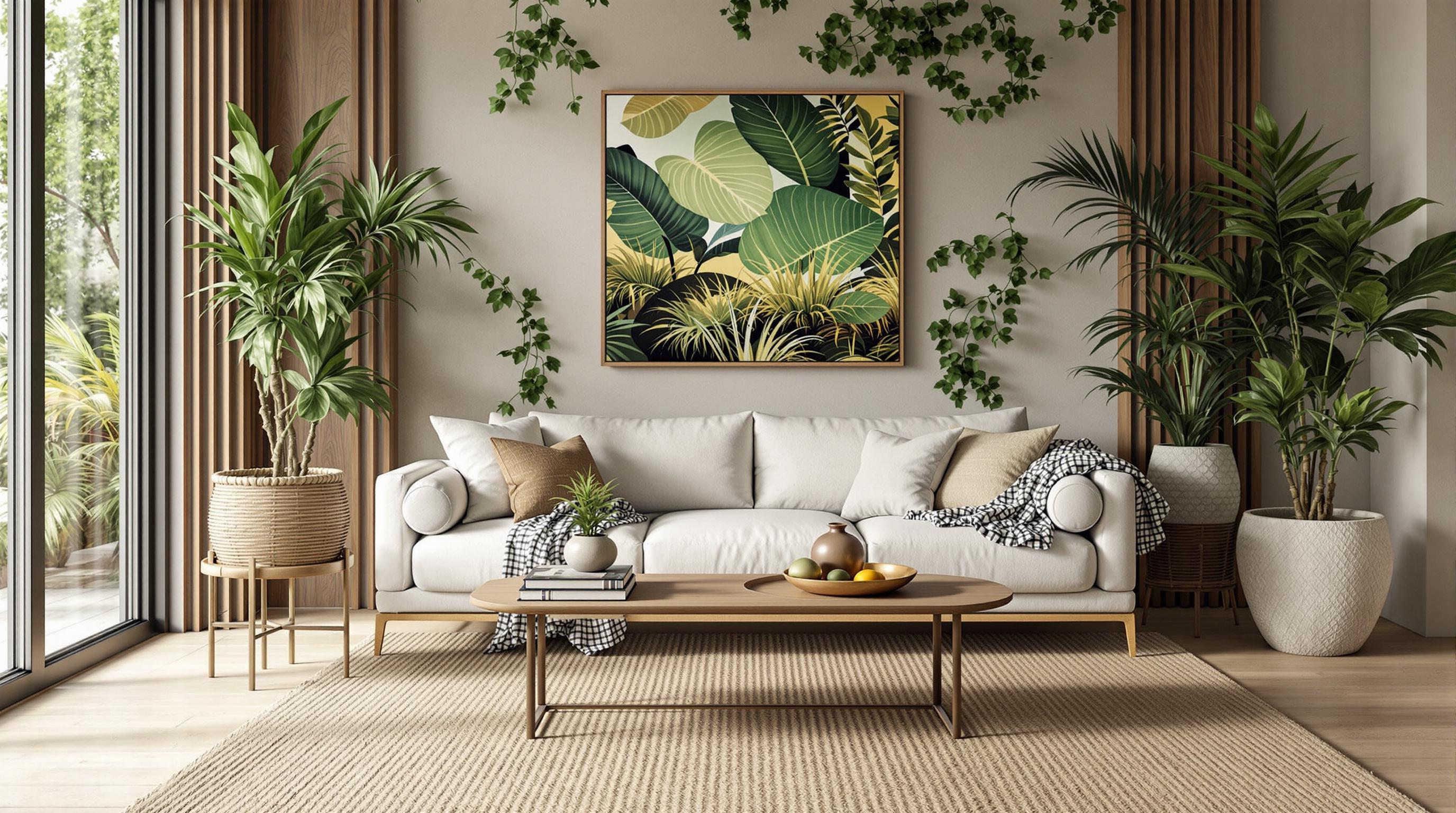
Bringing the beauty of nature indoors can transform your living space into a sanctuary that nurtures both the body and mind. Through biophilic design, we can incorporate natural elements into our living rooms, fostering a connection to the outdoors that enhances our well-being.
What is Biophilic Design?
Let’s get into the nitty-gritty. Biophilic design is fundamentally about fostering a connection between nature and us—a harmonious relationship that caters to our innate human need to feel part of the natural world. This concept isn't just decorative fluff; it’s grounded in science. According to a study published by the University of Exeter, biophilic design can enhance creativity by 15% and improve overall well-being by a significant 13%—pretty impressive numbers, right?
The Psychological Benefits
Have you ever strolled down a tree-lined street and felt your stress levels immediately dip? You’re not alone. Research shows that interaction with nature can decrease anxiety and depression while increasing feelings of happiness and fulfillment. The presence of greenery in your living environment makes a difference, especially in high-stress urban living. Be it in the office or your living room, nature has this magical touch of serenity.
Materials that Sing the Language of Nature
Think about it like this: if walls could sigh in relief, they’d be thanking you for using organic materials. Imagine reclaimed wood for your flooring or bamboo for furniture. These materials not only bring a contemporary flair to your decor but also serve as a nod to sustainable living. According to the Forest Stewardship Council, sourcing wood from responsibly managed forests helps ensure that our lovely trees can keep growing for our future generations. Talk about nature's endurance!
Earthy Color Palettes
Now, let’s paint a picture—quite literally! Shades of green, tan, and beige can create a soothing backdrop reminiscent of being outdoors. Consider a “forest green” for an accent wall, paired with some sandy shades for your furniture. The Right Brain Initiative found that colors can influence mood; greens evoke tranquility, while neutrals promote calmness. So, next time you're on a paint-swatch excursion, channel your inner artist!
Integrating Living Elements
Plants, glorious plants! Adding greenery like pothos, ferns, or a majestic snake plant can breathe life into your space. Did you know that houseplants can improve air quality? According to NASA’s Clean Air Study, certain plants can filter out harmful toxins. Besides being aesthetically pleasing, they also produce oxygen—what a win-win scenario for those of us who reside in city apartments!
Bold Focal Points
Every great room needs a show-stopping piece! Why not incorporate a statement piece like a cascading vertical garden? These installations bring greenery to eye level and can range from a simple DIY project to a professional installation. The result? An optical feast for the senses. And who wouldn’t appreciate a breath of fresh air while entertaining guests?
The Soothing Sounds of Nature
Picture this: you're cocooned in your living room, gently illuminated by warm lights, immersed in a backdrop of softly rustling leaves and the occasional chirp of birds. You don’t require a miracle; simply invest in a sound machine or a quality speaker to emulate these sounds. Research published in the Journal of Environmental Psychology noted that natural sounds enhance mood and promote relaxation—so why not make it part of your daily routine?
The Role of Natural Light
Let's talk about sunshine—the ultimate mood enhancer! Large windows or skylights not only flood your space with natural light but also connect you to the changing sky. This is supported by a study from the Intercontinental University of Malta, which reveals that abundant natural light in living spaces can lead to better productivity and emotional well-being. So, go ahead, throw open those curtains and let the sunshine in!
Textures That Tell a Story
Speaking of tactile experiences, consider integrating various textures that reflect natural elements. Soft textiles like wool throws evoke the essence of the countryside, while textured stone or clay pottery can lend to an organic, artisanal vibe. Adding layers of texture makes your living space feel warm and inviting—perfect for kicking back on a Sunday afternoon with a good book!
Engaging the Senses: Aroma and More
We can’t forget about scent! Invest in essential oil diffusers, scented candles, or herbal sachets. Nature has a remarkable way of grounding us, and scents like lavender and eucalyptus are known for their calming effects. A little whiff of lavender might just send you into a blissful state reminiscent of a lavender field in Provence. Feeling stressed? Just take a deep breath and let nature do its magic. A study from the University of Miami has shown that uplifting scents can improve cognitive function. Who knew that being surrounded by nature could be literally as easy as breathing!
Art and Decor: Celebrating Nature's Beauty
Art is the soul of any living space. Consider showcasing artwork that features natural landscapes, flora, or fauna. Not only does this resonate with the principles of biophilic design, but it also provides conversation starters for guests—“Oh, is that a print of the Scottish Highlands? Beautiful!” Find local artists or walking through art fairs can yield some truly unique pieces that resonate with your personality.
Nature-Inspired Furniture
Are you feeling adventurous? Seek out furniture that incorporates organic shapes or naturally sourced materials. A coffee table made from a single slab of live-edge wood can serve as a statement piece while adding a touch of rustic charm. This isn't just furniture; it’s an experience, a tangible connection to nature. Don’t be surprised if people ask, “Where did you find that?” as they admire your unique taste!
Community and Shared Spaces
One can be inspired by nature’s collective beauty! Look to your community for inspiration—you can find local gardens, parks, or outdoor markets that can be designed with biophilic principles in mind. Imagine community spaces blooming with local flora, significantly boosting the emotional moods of all who visit. Research from Harvard’s T.H. Chan School of Public Health suggests that community and connectivity improve well-being—so get out there! Join a community gardening group, or collaborate on nature-centered projects to enrich your own living space.
Localized Design: Bringing in the Local Flora
Local plants can add that regional touch to your home. Opt for plants native to your area for the best results; they require less maintenance and support local ecosystems. Research from the U.S. National Park Service shows that native plants encourage biodiversity and provide essential habitat for insects and wildlife. Plus, it’s always nice knowing you’ve supported local efforts to promote sustainability.
Case Study: The Transformative Effect of Biophilic Design
Consider the example of a Berlin-based design firm that transformed a dilapidated office space into a vibrant, biophilic haven. They incorporated living walls, a spectrum of plants, and abundant natural light, virtually converting the office atmosphere. Employee satisfaction skyrocketed, with stress levels dropping, resulting in an impressive 20% rise in productivity. This case speaks volumes about the concrete effects of integrating biophilic design within any living or working space!
The Future is Bright—and Full of Green!
Biophilic design represents more than just a creative trend—it’s a reflection of how we ought to rethink our environments to nurture well-being. As we move forward in a world increasingly disconnected from nature, keeping these elements in mind will encourage us to live harmoniously with our surroundings. From living rooms to office spaces, remembering to incorporate natural elements can redefine our experiences entirely.
Conclusion: Celebrate Nature in Your Living Room
Incorporating biophilic design in your living room doesn’t have to feel overwhelming. With thoughtful choices in materials, color palettes, plant life, and overall ambiance, the journey to create a sanctuary inspired by nature will prove to be rewarding. Now, grab a plant or two, add some earthy decor, and enjoy the sweet touch of nature’s embrace.
Read More