Related Articles
- Bizarre Wonders: Crafting Functional Ornaments from Obsolete Household Gadgets and Oddities
- Eco-Chemistry: Innovative Projects Using Upcycled Materials from Your Kitchen for Sustainable Living
- Mystical Metamorphosis: Crafting Enchanted Home Decor from Unwanted Childhood Toys and Forgotten Doll Parts
- Color Cravings: Exploring the Unconventional Links Between Food Choices and Fashion Statements
- Hues of Controversy: The Surprising Ties Between Color Choices and Ethical Consumerism Trends
- Color Waves: Exploring the Impact of Music on Visual Aesthetics in Art and Fashion Choices
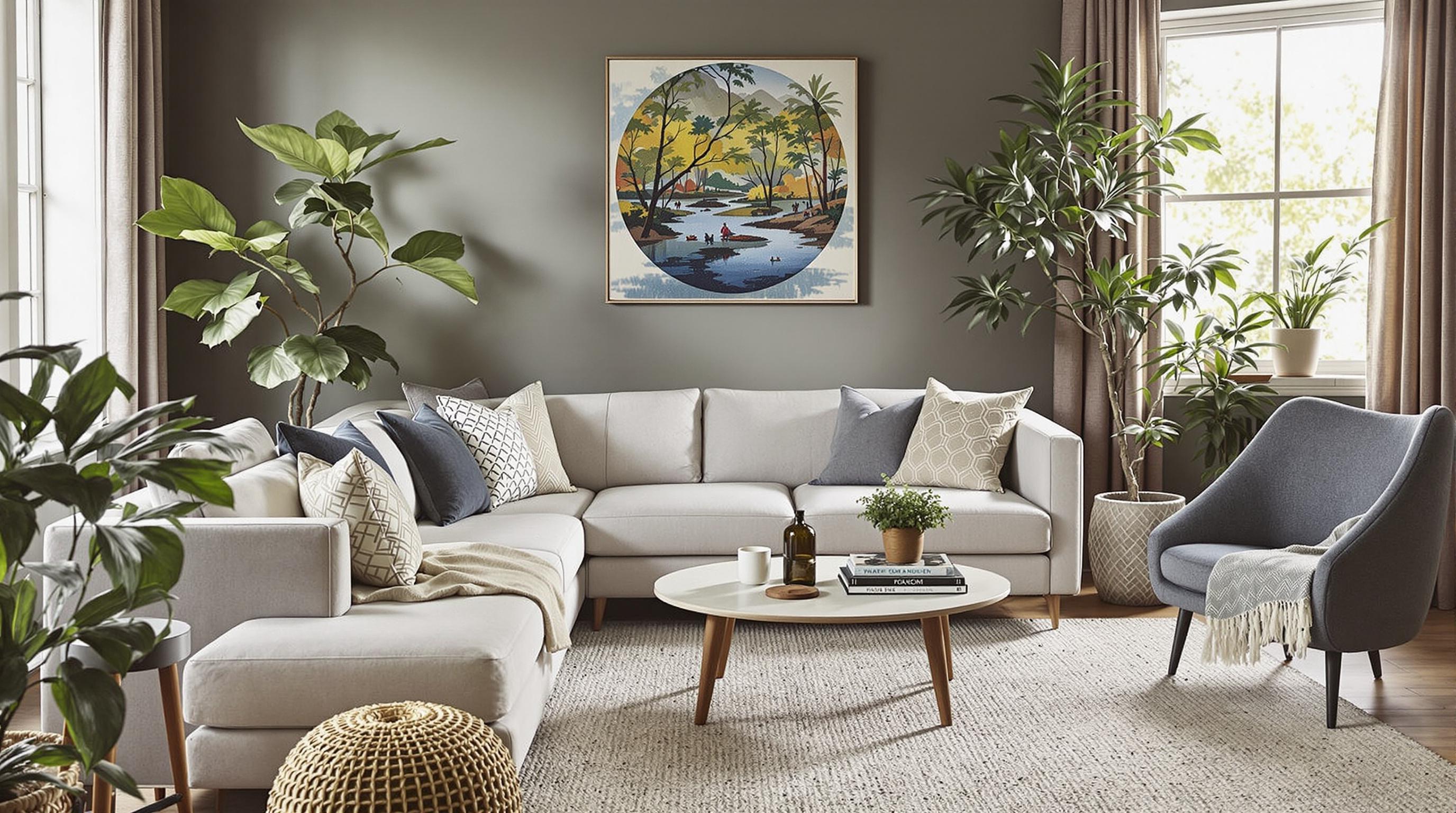
9 Sustainable Living Room Ideas: Creating an Eco-Friendly Space That Reflects Your Conscious Lifestyle Choices
9 Sustainable Living Room Ideas: Creating an Eco-Friendly Space That Reflects Your Conscious Lifestyle Choices
9 Sustainable Living Room Ideas: Creating an Eco-Friendly Space That Reflects Your Conscious Lifestyle Choices
1. Choose Sustainable Materials
Creating an eco-friendly living room starts with the materials used in your furniture and decor. Look for products made from sustainable materials such as bamboo, reclaimed wood, or recycled metal. These materials not only minimize environmental impact but also add a unique character to your space.
Additionally, pay attention to textiles. Opt for organic cotton, linen, or hemp fabrics for upholstery and curtains. These fabrics are produced without harmful pesticides and chemicals, making them safer for both the environment and your health.
Research brands that prioritize sustainability in their manufacturing processes. Certifications, such as FSC (Forest Stewardship Council) for wood products, can help you identify furniture companies committed to responsible sourcing.
2. Embrace Second-Hand Furniture
Buying second-hand furniture can significantly reduce your carbon footprint. By choosing pre-owned pieces, you are keeping furniture out of landfills and reducing the demand for new production, which often involves resource-intensive processes.
Consider visiting thrift stores, estate sales, or online marketplaces for unique finds. You may discover vintage pieces that add charm and personality to your living room, allowing you to express your style sustainably.
Furthermore, refinishing or reupholstering second-hand furniture can breathe new life into old pieces, making them one-of-a-kind. This approach not only promotes sustainability, but also fosters creativity and individuality in your decor.
3. Incorporate Energy-Efficient Lighting
Lighting plays a vital role in enhancing the ambiance of your living room while also impacting energy consumption. Switch to energy-efficient LED bulbs, which use significantly less energy and last longer than traditional incandescent bulbs.
Consider placing lamps strategically to maximize natural light during the day. This not only saves energy but also creates a warm, inviting environment. Utilizing sheer curtains can help diffuse sunlight while still providing privacy.
Incorporating lighting fixtures made from sustainable materials, like recycled glass or metals, further supports your eco-friendly initiative. Such choices demonstrate that style and sustainability can go hand in hand.
4. Utilize Indoor Plants
Indoor plants are a fantastic way to enhance your living room while promoting sustainability. They not only improve air quality by absorbing toxins, but they also add a lively, fresh element to your space.
Choose plants that are low maintenance and suited for indoor conditions, such as snake plants, pothos, or peace lilies. These plants thrive in various light conditions and require minimal care, making them ideal for busy lifestyles.
Incorporating plants also encourages mindfulness and a connection to nature, which is crucial in a sustainable living space. Plus, they make for great conversation starters and add a touch of greenery in a stylish way.
5. Focus on Minimalism
Adopting a minimalist approach can significantly contribute to a sustainable living room. Emphasizing functionality and simplicity helps reduce clutter and promotes intentional living, aligning with eco-friendly principles.
Start by decluttering your space and reassessing what you truly need. Invest in multifunctional furniture, such as ottomans with storage solutions or coffee tables with shelving, to maximize space without adding excess items.
A minimalist design often results in a more visually appealing and serene environment, helping to create a calming space that reflects your conscious lifestyle choices.
6. Eco-Friendly Decor
When decorating your living room, the choices you make can impact sustainability. Opt for decor items that are locally sourced or handmade, reducing the carbon footprint associated with transportation.
Moreover, explore art made from reclaimed materials or sustainable resources. This not only supports local artisans but also tells a unique story. Vintage decor pieces can also serve the same purpose, adding elegance and character to your space.
Another option is to create DIY decor from upcycled materials, such as old jars turned into vases or pallet wood transformed into a unique wall piece. This creativity can enhance your living room while ensuring a sustainable approach.
7. Consider Eco-Friendly Paints
Paint can greatly impact indoor air quality, so when refreshing your living room, opt for eco-friendly, low-VOC (volatile organic compounds) paints. These paints release fewer harmful chemicals into the air, promoting a healthier living environment.
Choosing the right color can also influence the mood of your space. Earth tones or soft pastels can create a calming atmosphere, while brighter shades may invigorate the space. Always sample the paint before committing, as the appearance can change under different lighting conditions.
Additionally, consider opting for paint with recycled content, which further supports sustainable practices and reduces waste in landfills.
8. Implement Smart Technology
Smart technology can enhance energy efficiency in your living room. Incorporate smart thermostats, smart lighting systems, or energy monitoring devices to control usage and optimize performance.
Automating your lighting and heating will not only provide convenience but can lead to significant energy savings. Being able to control these aspects remotely ensures that nothing is wasted during periods of non-use.
Make sure to choose technology that is designed with sustainability in mind. Look for energy-efficient models and consider how these devices contribute to your overall eco-friendly goals.
9. Create a Recycling Station
Incorporating a recycling station into your living room design can encourage responsible waste management. Design a designated space for recyclables, making it easy to sort and store items like paper, plastics, and glass.
You can choose stylish bins or baskets to blend with your decor while serving this practical purpose. Make it an engaging part of your living area rather than an eyesore, which can motivate others in the household to participate.
Including informational signage about what can and cannot be recycled can help educate guests and create awareness about sustainable practices in your everyday life.
Read More