Related Articles
- Bizarre Wonders: Crafting Functional Ornaments from Obsolete Household Gadgets and Oddities
- Eco-Chemistry: Innovative Projects Using Upcycled Materials from Your Kitchen for Sustainable Living
- Mystical Metamorphosis: Crafting Enchanted Home Decor from Unwanted Childhood Toys and Forgotten Doll Parts
- Color Cravings: Exploring the Unconventional Links Between Food Choices and Fashion Statements
- Hues of Controversy: The Surprising Ties Between Color Choices and Ethical Consumerism Trends
- Color Waves: Exploring the Impact of Music on Visual Aesthetics in Art and Fashion Choices
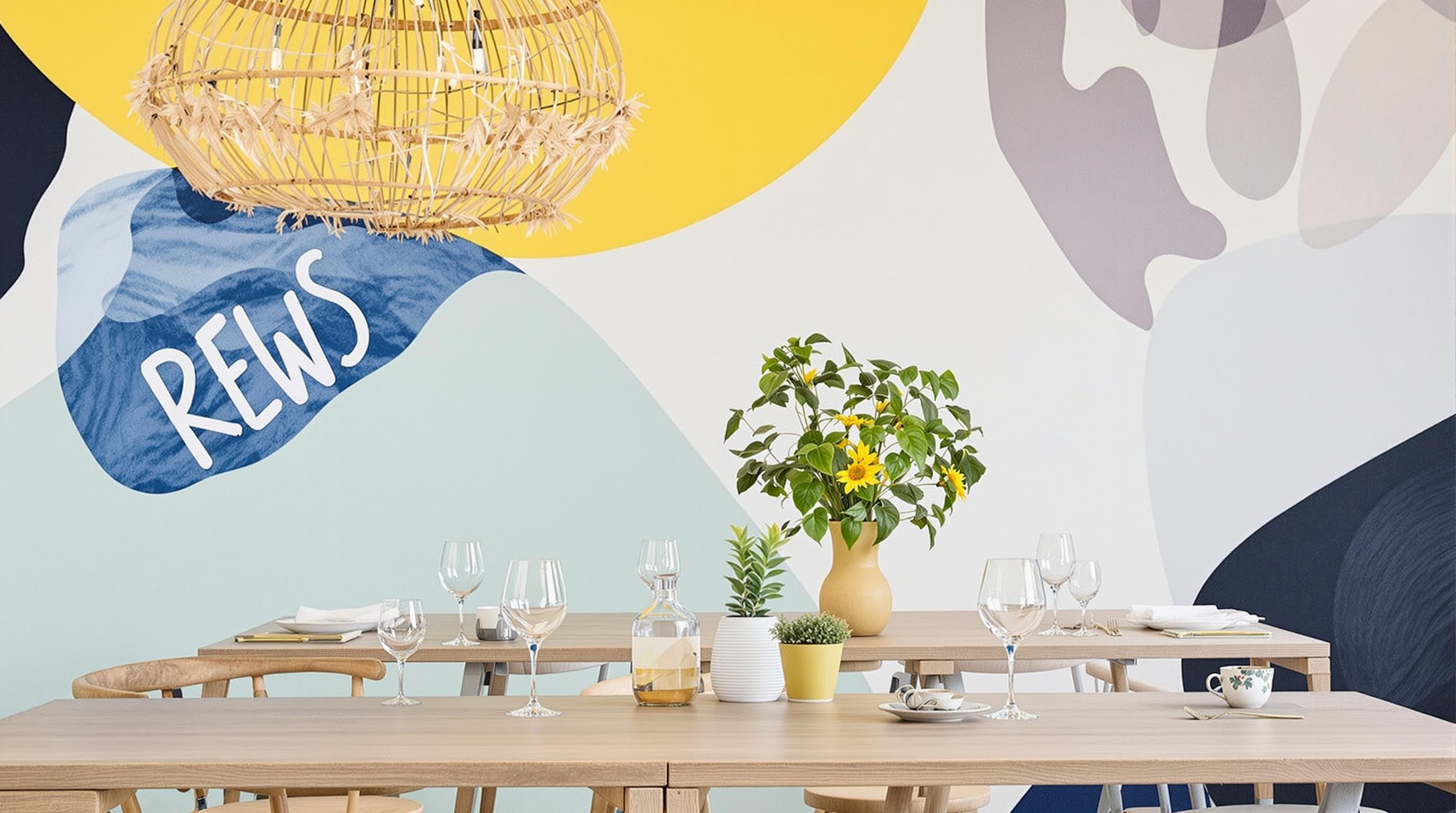
Unconventional Materials in Dining Spaces: How Recycled Goods Are Shaping Eco-Friendly Interiors
Unconventional Materials in Dining Spaces: How Recycled Goods Are Shaping Eco-Friendly Interiors
Unconventional materials are making waves in dining spaces, with recycled goods leading the charge toward eco-friendly interiors. This article explores the innovative use of these materials, their benefits, and the transformative impact they have on dining environments and our planet.
The Green Revolution in Interior Design
After decades of prioritizing aesthetics over sustainability, the interior design world has taken a sharp turn toward green thinking. According to a report by IBISWorld, the eco-friendly furniture market is projected to reach $80 billion by 2024, reflecting a growing consumer demand for sustainability.
Tales of Transformation
Imagine stepping into a bustling urban café where the tables are crafted from reclaimed wood, once destined for the landfill. The light fixtures? Repurposed wine bottles, softly illuminating the space while telling a story of their past. Such transformations aren't just about aesthetics; they create a connection between the consumer and the environment.
The Ethical Choice
Choosing recycled materials speaks volumes about your ethical stance. For your dining space, opting for furniture made from recycled plastic or metal means you're contributing to a circular economy, reducing waste, and conserving resources. For instance, Polywood, a company specializing in outdoor furniture, states that they recycle over 400,000 milk jugs daily to create their products. That’s a significant impact!
It’s Not Just About Furniture
When we think of dining spaces, most of us picture tables and chairs, but what about the décor? Picture this: Wall hangings made from discarded fabric strips woven into intricate patterns, or centerpieces crafted from old books transformed into eye-catching art. They not only serve as conversation starters but also communicate a strong message about waste reduction and creativity.
Statistics Speak Louder Than Words
Did you know that over 9 billion tons of plastic waste has been generated since the 1950s, according to the OECD? This staggering figure highlights the necessity for innovative solutions. By utilizing recycled materials, interior designers and homeowners alike can actively participate in reducing this gargantuan waste footprint.
Bringing Nature Inside
Forget about pricey floral arrangements or artificial décor. Reclaimed wooden pallets can be morphed into stunning dining tables adorned with succulent plans or herbs, merging the outdoor vibe with indoor comfort. A case study by the American Society of Interior Designers revealed that incorporating natural elements not only enhances the aesthetics but also promotes wellbeing, with 60% of participants reporting improved mental health.
For the Love of Quirkiness
Let’s face it – being boring is out! Quirky design is in, and what better way to embrace this trend than with unconventional materials? A dining chair upholstered in remnants of colorful vintage fabrics can turn heads and spark joy. And hey, your dinner guests will be talking about it for weeks!
The DIY Movement: Embrace Your Inner Artist
One of the most refreshing aspects of using recycled materials is the DIY movement it inspires. With a little creativity and effort, anyone can turn old furniture scraps into stunning statement pieces. Pinterest is brimming with ideas—have you ever considered turning old door frames into dining room art? The possibilities are endless and often lead to perfectly unique items that can't be found in any store.
The Global Impact of Sustainable Choices
Transitioning to recycled materials in dining spaces doesn't just benefit individuals or businesses; it creates ripples across the globe. Research from the Journal of Cleaner Production suggests that sustainable design practices can significantly reduce carbon footprints. What does this mean for our dining spaces? Less waste, fewer resources consumed, and an overall positive impact on the environment—one eco-friendly brunch at a time.
Made by Hand, Not Machines
There’s something undeniably special about handmade items. When you purchase a dining table crafted from reclaimed barn wood, a unique history comes with it. Supporting artisans who craft these pieces fosters community and sustainable economic growth. An inspiring example is the sustainable woodworking company, Reclaimed Wood Exchange, which provides jobs while promoting eco-friendly practices.
Elegance Meets Creativity
Contrary to significant misconceptions, using recycled materials doesn't equate to sacrificing elegance. Many high-end designers are incorporating these materials, creating spaces that feel luxurious yet mindful. Imagine hosting an intimate dinner party surrounded by graphite-colored chairs made from recycled materials, exuding sophistication while boasting eco-friendly integrity.
One Small Step: Your Turn to Shine
So, how can you start this eco-friendly journey in your own dining setup? Begin small—swap out a plastic placemat for fabric ones made from sustainable materials. Explore thrift shops for vintage accessories that will add character to your dining space. Even a simple commitment, like establishing a composting bin, can yield significant returns, transforming organic waste into nutrient-rich soil for your garden.
In Conclusion: An Invitation to Change
As we’ve seen, the integration of recycled materials into dining spaces is about more than just aesthetics or a fleeting trend; it’s a powerful movement toward conscious living and sustainable practices. With statistics endorsing environmental benefits and stories fueling creativity, there's no time like the present to embark on your own eco-friendly journey.
Whether you're a homeowner, a thrifty student, or an interior designer, your choices can inspire change. Let’s redefine our dining spaces as platforms for creativity, sustainability, and style—who said eco-friendly can't be fabulous?
Read More