Related Articles
- Bizarre Wonders: Crafting Functional Ornaments from Obsolete Household Gadgets and Oddities
- Eco-Chemistry: Innovative Projects Using Upcycled Materials from Your Kitchen for Sustainable Living
- Mystical Metamorphosis: Crafting Enchanted Home Decor from Unwanted Childhood Toys and Forgotten Doll Parts
- Color Cravings: Exploring the Unconventional Links Between Food Choices and Fashion Statements
- Hues of Controversy: The Surprising Ties Between Color Choices and Ethical Consumerism Trends
- Color Waves: Exploring the Impact of Music on Visual Aesthetics in Art and Fashion Choices
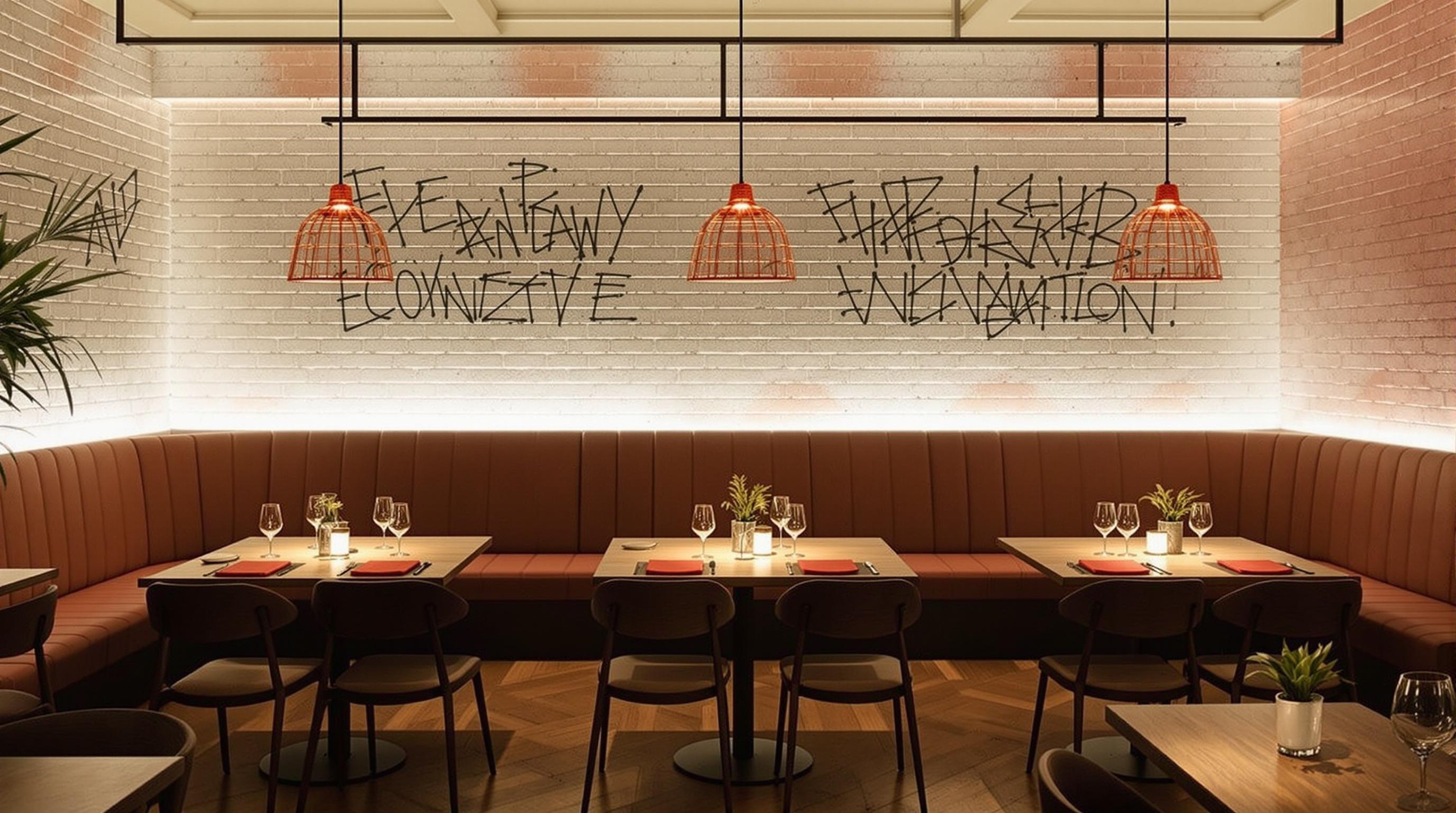
Exploring Illumination: How Unconventional Lighting Shapes Mood and Style in Culinary Spaces
Exploring Illumination: How Unconventional Lighting Shapes Mood and Style in Culinary Spaces
In the realm of culinary experiences, the importance of illumination often goes unnoticed, yet it plays a crucial role in shaping mood, style, and even taste perception. From restaurant ambiance to home kitchens, innovative lighting design has become an essential aspect of creating unforgettable dining experiences.
The Science of Light and Mood
Did you know that lighting can actually affect how we perceive flavors? According to a study published in the journal "Food Quality and Preference," the brightness and color of lighting can significantly alter a diner’s taste perception (Spence, 2014). For example, a well-lit room with soft, warm hues can enhance the sweetness of desserts, while harsh white lights might make that same dessert taste overly bitter. This psychological interplay between light and taste shows just how critical the lighting design is in culinary spaces.
Lighting Styles and Their Impact
Unconventional lighting fixtures, such as vintage Edison bulbs or quirky pendant lights, can serve as artistic focal points in a culinary space. These fixtures don’t just illuminate; they tell a story. Take, for instance, the trend of using repurposed materials to create stunning light installations. One such case is the “barn light” used in many farm-to-table restaurants, which brings a rustic feel synonymous with fresh and organic meals. The chic design adds a layer of authenticity to the dining experience, echoing the values of sustainability and local sourcing.
Casual Discussion: Getting Creative with Your Kitchen
Okay, let’s get real—how many of us have switched on our overhead fluorescent lights and sighed at the lackluster vibe they bring? If you want to breathe life into your kitchen (or dining area), think about adding some fun lighting options! String lights, for example, can create an enchanting atmosphere, especially in open-air patios or casual dining spaces. They add a whimsy that can go from a cozy family dinner to a lively party without skipping a beat. Plus, they’re super easy to hang and super Instagrammable.
Case Study: Fine Dining and the Ambiance Factor
Fine dining establishments have long understood the impact of lighting on customer experience. Take “The French Laundry” in Napa Valley, which is famous both for its exquisite cuisine and its meticulously designed interior that uses dim lighting to create an intimate experience. The founder, Thomas Keller, once said, "At the end of the day, you want the diner to focus on the food." The carefully curated lighting at his restaurant sets a stage that complements the artistry of the dishes served, enhancing the overall culinary journey.
Bringing It Home: DIY Lighting Tips
Now, you might be thinking—a stunning dining space with great lighting sounds fantastic, but where do I even start? One easy way to elevate your home kitchen or dining area is by incorporating layered lighting. By mixing ambient, task, and accent lighting, you create a multi-dimensional space that can shift from bright and functional to soft and romantic. For example, under-cabinet lighting can brighten up your cooking space, while strategically placed lamps can add warmth and depth to your dining area.
The Psychology Behind Dinner Parties
Ever hosted a dinner party where you could feel the transition from awkward small talk to lively conversation? Research indicates that the right lighting can be a catalyst for these shifts in social dynamics. According to a report from the American Psychological Association, warmer light encourages relaxation and reduces the formality of the setting (Davis, 2018). So, when planning your next gathering, ditch the harsh fluorescents for some softer, inviting lights and watch as your guests become more engaged and lively.
Humor in Design: Light Fixtures that Spark Joy
And let’s not forget about those kooky light fixtures that can become the conversation starters of your culinary space. Ever seen a light fixture that resembles a giant fishing net? Or a quirky lamp shaped like a cactus? These offbeat designs can add an element of surprise and joy. Who knew you could turn a ceiling lamp into a character straight out of a storybook? Embracing these eccentric designs not only showcases your personality but also invites guests to think “Wow! I never knew lighting could be so… fun!”
The Emerging Trend of Smart Lighting
As technology advances, so does the realm of lighting design. Smart lighting systems now allow for dynamic adjustments at the touch of a button. Imagine hosting a dinner party where you set the mood with soft, dimmed lights during appetizers, then shift to brighter settings as the main course is served. Some brands, like Philips Hue, even allow you to change colors and patterns, creating an atmosphere that can align with the theme of your dinner perfectly—whether it’s a playful taco night or an elegant wine tasting.
Global Inspirations: Culinary Spaces Around the World
While local trends reign supreme in culinary lighting designs, looking globally for inspiration can truly enhance your space. In Japan, traditional restaurants often incorporate paper lanterns, creating an intimate and serene atmosphere that aligns with their culinary values of minimalism and respect for the ingredients used. Similarly, in Mediterranean countries, outdoor dining spaces bathed in the golden glow of sunset evoke a sense of community and relaxation. Such inspirations demonstrate how cultural values can influence lighting choices in culinary spaces.
The Case Against Overly Bright Spaces
Consider this: a bright, sterile environment may contribute to faster meal durations, but does that really benefit either the diner or the establishment? Research shows that higher illumination can lead to quicker consumption rates and less engagement, essentially chasing diners away sooner (Smith et al., 2017). In contrast, dining spaces bathed in soft, adjustable lighting encourage guests to savor their meals and spend more time enjoying the atmosphere. So, in the battle of bright versus cozy, it seems that less can truly be more!
Finding Balance: The Key to Culinary Spaces
Ultimately, exploring illumination in culinary spaces is about achieving a delicate balance. A kitchen needs to be functional, but it also should evoke excitement for the act of cooking. Dining areas should invite long conversations and connections, making the shared experience memorable. The layers of lighting design—introduced through color choices, fixture styles, and innovative technologies—work together to facilitate an unforgettable culinary journey.
A Conclusion Wrapped in Light
Illumination is far from just a functional design element; it is an art that, when done right, can elevate culinary experiences. Whether you are dining in a chic restaurant or cooking up a storm in your home kitchen, the interplay of light and atmosphere has the power to shape feelings, evoke memories, and enhance flavors. So, as you explore your culinary spaces, remember—the right light might just be the secret ingredient you never knew you needed.
Read More