Related Articles
- Bizarre Wonders: Crafting Functional Ornaments from Obsolete Household Gadgets and Oddities
- Eco-Chemistry: Innovative Projects Using Upcycled Materials from Your Kitchen for Sustainable Living
- Mystical Metamorphosis: Crafting Enchanted Home Decor from Unwanted Childhood Toys and Forgotten Doll Parts
- Color Cravings: Exploring the Unconventional Links Between Food Choices and Fashion Statements
- Hues of Controversy: The Surprising Ties Between Color Choices and Ethical Consumerism Trends
- Color Waves: Exploring the Impact of Music on Visual Aesthetics in Art and Fashion Choices
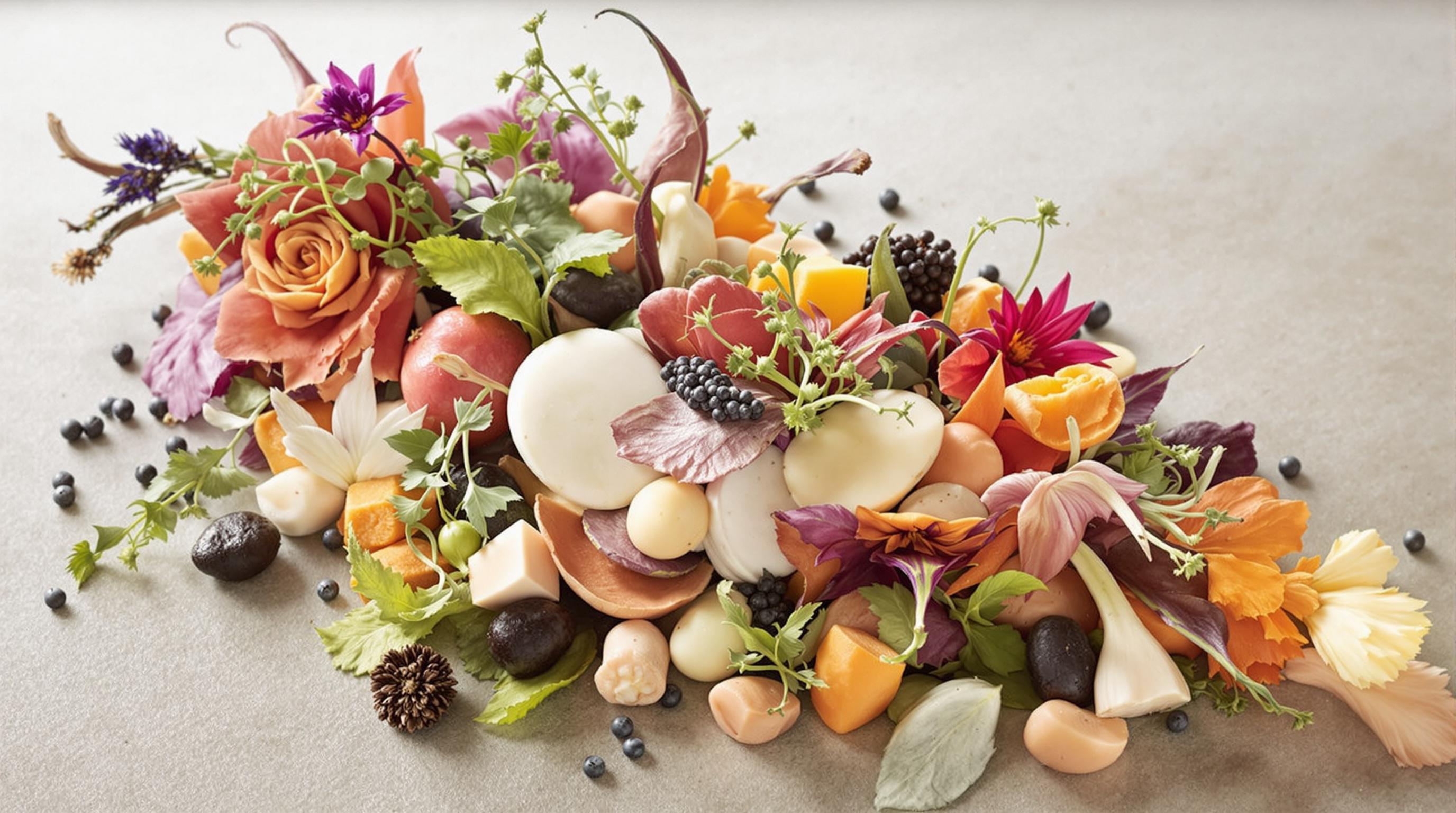
Edible Artistry: Transforming Organic Ingredients into Stunning Culinary Centerpieces for Your Dining Table
Edible Artistry: Transforming Organic Ingredients into Stunning Culinary Centerpieces for Your Dining Table
Edible artistry is an extraordinary trend that redefines how we think about food, turning organic ingredients into captivating culinary masterpieces that can serve as stunning centerpieces for any dining table. Through a blend of creativity, technique, and a dash of inspiration, you can transform simple fruits, vegetables, and herbs into breathtaking displays that not only please the eyes but tantalize the taste buds.
The Allure of Edible Artistry
It’s quite amazing to consider that the food we consume can also be an art form. From the intricate designs of a fruit bouquet to lavish vegetable carvings, edible artistry brings a level of sophistication and creativity to dining that can elevate any meal. Imagine a gathering where the main conversation starter is not the weather or the game, but rather the stunning display of food art gracing the table!
An Age-Old Tradition
Edible artistry isn't a new concept. Cultures around the globe have been applying artistic techniques to food for centuries. For instance, the Japanese have perfected the art of kyaraben, where rice and ingredients are crafted into characters and scenes, making lunchboxes more joyful for children. Similarly, in Thailand, intricate fruit carvings date back to the 14th century during the reign of the Ayutthaya Kingdom. These dishes were not merely meals; they were reflections of cultural heritage and artistry.
Getting Started with Edible Artistry
As a young culinary enthusiast of 25, mastering the basics of edible artistry can seem daunting, but it doesn’t have to be! Start with simple decorative techniques like garnishing. A dash of freshly chopped herbs can transform a mundane dish into a visually appealing masterpiece, while a perfectly sliced lemon can add both flavor and flair.
Essential Tools for Transformation
To embark on your edible artistry journey, you don’t need to invest in an extravagant toolkit. Here are a few essential tools you can acquire:
- Paring Knife: A good quality paring knife is versatile, enabling precise cuts on fruits and vegetables.
- Vegetable Peeler: Ideal for creating ribbons of carrots or zucchini, adding texture to your creations.
- Cookie Cutters: Use these not just for dough, but for cutting fruits and vegetables into fun shapes!
- Food Coloring: Elevate your fruits and veggies with food-safe dyes to add a splash of creativity.
Statistics on Dining Aesthetics
Did you know that according to a study conducted by the University of Oxford, humans are more likely to enjoy a meal if it is visually appealing? In fact, about 90% of diners claim that they find food more delicious when it looks good. This highlights the importance of edible artistry, not just as a decorative touch, but as a vital component in enhancing the overall dining experience.
Concocting Culinary Masterpieces
So, how can one best showcase their edible artistry skills? Let’s explore some techniques and ideas for transforming organic ingredients into stunning culinary centerpieces that will wow your guests.
1. Fruit and Vegetable Sculptures
Creating sculptures from fruits and vegetables may sound intimidating, but it can be incredibly satisfying. Start with something simple, like turning a watermelon into a fruit bowl. Slice the watermelon in half, scoop out the flesh, and use the rinds as an elegant bowl. Arrange colorful fruits inside for a stunning display.
2. Charcuterie Boards that Dazzle
No gathering is complete without a charcuterie board. Elevate yours by arranging meats, cheeses, and fruits artistically. Incorporate different textures—crackers, nuts, and even edible flowers can add just the right touch. Statistics show that 74% of entertaining hosts believe that presentation matters more than the cost of the ingredients when it comes to impressing guests!
3. Themed Culinary Creations
Imagine a nautical-themed dinner where you create edible ocean scenes using blue jello for water, gummy fish, and crushed graham crackers for sand. Alternatively, a garden theme can come alive with basil cupcakes topped with green-tinted whipped cream and edible flowers. Themed culinary art not only elevates your dish but also can tell a story, drawing in your guests for an immersive dining experience.
The Art of Plating
One of the simplest ways to create edible artistry is through plating. “The first bite is with the eyes,” they say, and there’s truth to this proverbial wisdom. Properly plated dishes can create anticipation and enhance the dining experience. Use a wide plate and create height with ingredients; think stacks of grilled vegetables or sauces drizzled artfully on the sides. Play with colors: complement contrasting hues to create an eye-catching dish.
Personal Touches in Edible Artistry
While techniques and aesthetics are vital, the personal touch can elevate edible artistry to a whole new level. Knowing your guests and their preferences allows for customization—whether that means incorporating their favorite cheeses on a charcuterie board or adding a handmade cake with flavors that reminisce your childhood together. A little thoughtfulness can turn any dish into a profound impression.
Story Time: My Journey in Edible Artistry
As a budding cook at the age of 22, I once hosted a gathering of friends for my birthday. Eager to impress, I attempted making a lavish fruit arrangement. At first, I struggled with cutting the fruits into pretty shapes. After several attempts to make a pineapple swan, I ended up with a pineapple that looked more like an unfortunate caricature. Yet that was my ultimate inspiration! Embracing my failures led me to hone my skills, leading to a night where everyone asked for 'that outrageous pineapple creation.'
A Case Study: Artist’s Feast
One notable event showcasing edible artistry was the “Artist’s Feast” held in San Francisco last year. Chefs turned food into interactive art pieces, allowing guests to partake in the creation of their meals. Attendees were treated to live sculpting of vegetables into elaborate designs, resulting in food art that guests could feast upon, which emphasized the merging of culinary and visual arts.
Incorporating Nature’s Palette
Edible flowers, herbs, and unique colorings can elevate your creations to another level. Common kitchen herbs like basil and mint not only enhance flavor but can add a pop of green contrast in your presentation. Meanwhile, edible flowers such as pansies or nasturtiums can introduce color and romance to any culinary masterpiece, indeed making your meal memorable.
Health Benefits of Edible Artistry
Not only is edible artistry a visual delight, but it can also lead to healthier eating habits. According to research published in the Journal of Nutrition Education and Behavior, children are more likely to eat fruits and vegetables when they are presented in fun and engaging ways. As parents, caregivers, or even enthusiastic friends, this approach can encourage healthier choices without the usual battle of wills.
Mastering the Art with Practice
Creating edible masterpieces isn’t an overnight endeavor. It requires creativity, experimentation, and a willingness to learn from your mistakes. So whether you’re crafting a stunning centerpiece from carved vegetables, or perfecting the art of plating, allow yourself to explore and evolve.
Conclusion: The Artistic Connection
In essence, edible artistry is not just about making food look good; it’s about storytelling, creativity, and connecting with those we love through the art of cuisine. As more people embrace this journey, it's a reminder that a dining experience transcends mere consumption—it's about celebration, joy, and artistry existing in every bite. So dive into the colorful world of edible artistry and transform your dining table into a canvas of delightful flavors and radiant presentations!
Read More