Related Articles
- Bizarre Wonders: Crafting Functional Ornaments from Obsolete Household Gadgets and Oddities
- Eco-Chemistry: Innovative Projects Using Upcycled Materials from Your Kitchen for Sustainable Living
- Mystical Metamorphosis: Crafting Enchanted Home Decor from Unwanted Childhood Toys and Forgotten Doll Parts
- Color Cravings: Exploring the Unconventional Links Between Food Choices and Fashion Statements
- Hues of Controversy: The Surprising Ties Between Color Choices and Ethical Consumerism Trends
- Color Waves: Exploring the Impact of Music on Visual Aesthetics in Art and Fashion Choices
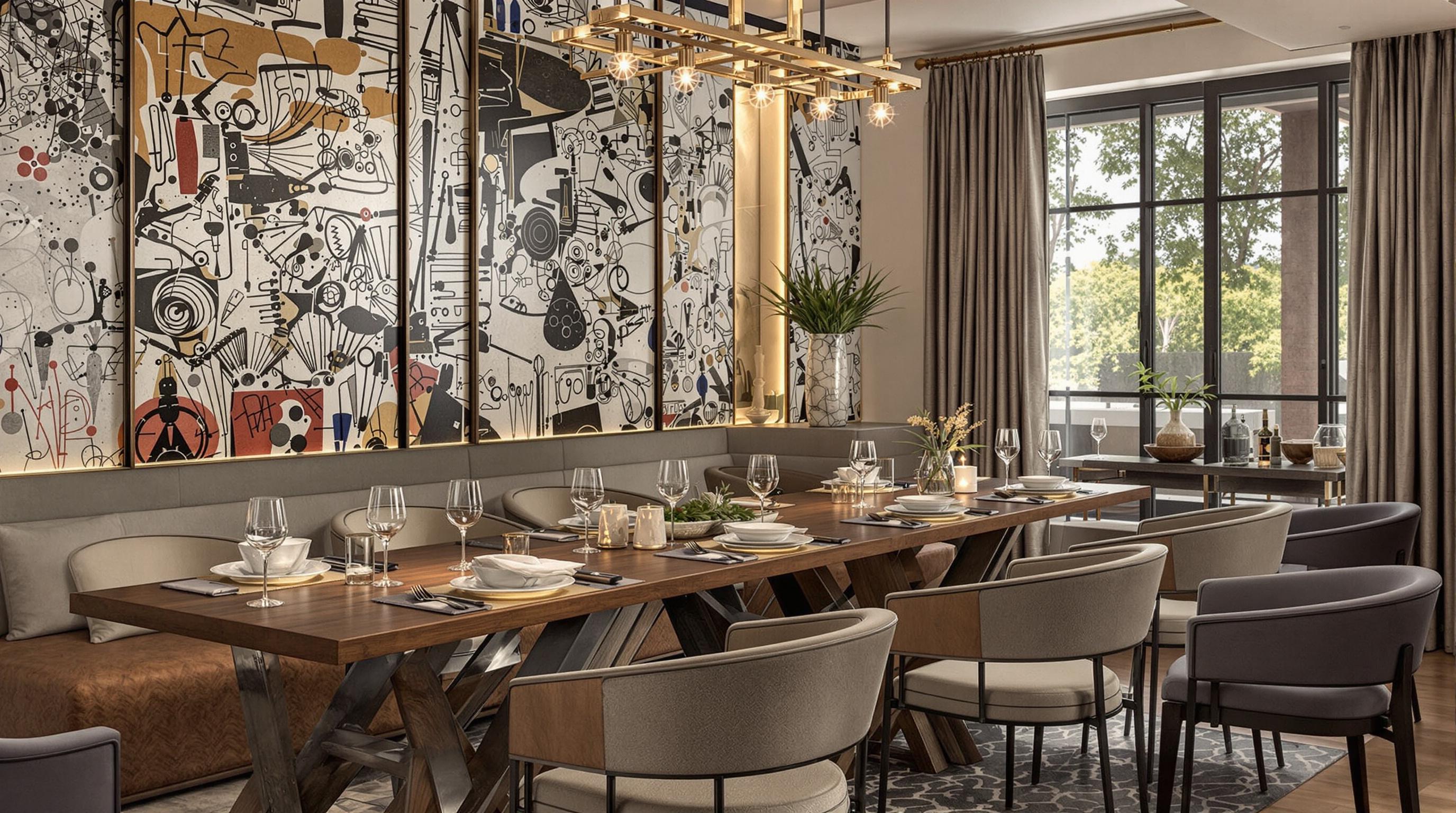
Beyond Functionality: How Hidden Lighting Can Dramatically Alter the Mood of Your Dining Experience
Beyond Functionality: How Hidden Lighting Can Dramatically Alter the Mood of Your Dining Experience
Hidden lighting can transform an ordinary dining experience into an extraordinary one by significantly altering mood and atmosphere. This article explores the various aspects of hidden lighting design, examining how it can evoke emotions, enhance ambiance, and improve both the aesthetic and experiential qualities of dining spaces.
The Science of Light and Mood
Did you know that lighting can influence our emotions and behaviors? According to a study by the Lighting Research Center, light levels can affect our mood and even our appetite. Bright, harsh lighting can create a clinical feel that detracts from a meal, while softer, warmer lighting promotes relaxation and social interaction.
A Case Study: Restaurants and Their Ambiance
Take a moment to think about your favorite restaurant. Chances are, its ambiance contributed to your positive dining experience. A famous case is The Fat Duck, a Michelin-star restaurant in the UK, which uses hidden lighting to accentuate its innovative dishes. The subtle underlighting of tables enhances the vibrant colors of its culinary masterpieces, creating an intriguing visual experience that complements the food. This is an example of how the right lighting can play an essential role in a restaurant's success.
Types of Hidden Lighting
Hidden lighting isn’t just one-size-fits-all. Here are various types you can utilize to create the mood you're after:
1. LED Strip Lighting
LED strips are versatile and can be installed under cabinets or along the perimeter of your dining area. They offer a soft glow that can highlight architectural features while keeping the focus on the dining experience itself.
2. Cove Lighting
Cove lighting works similarly by hiding light sources within recessed areas in the walls or ceilings. This form of lighting casts a warm, diffused light that envelops the space without being obtrusive.
3. Backlit Features
Backlit artwork or mirrors can add a unique flair to your dining space. When strategically placed, these elements can draw attention to specific areas while creating an inviting atmosphere.
Creating Ambiance with Color Temperature
Choosing the right color temperature is crucial when it comes to hidden lighting. Light with a lower color temperature (below 3000K) creates a warm, intimate atmosphere ideal for dinners, while cooler temperatures can invigorate and energize a space. Here’s a statistic that stands out: A survey conducted by the American Lighting Association found that 77% of respondents prefer warm lighting in dining spaces, associating it with comfort and relaxation.
Story Time: A Dinner Gone Wrong
Let me take you back to a disastrous dinner I had at a restaurant with my friends. The meal was great, but the lighting was so bright and sterile that it felt more like an office meeting than a night out. We left without even thinking about dessert because the atmosphere just didn’t encourage lingering. This experience illustrates why lighting shouldn't be underestimated in its influence on our enjoyment.
Hidden Lighting and the Home Dining Experience
While many think of hidden lighting in restaurants, it’s equally important for home dining environments. Whether hosting a dinner party or a casual meal, the right lighting can turn a simple dining space into an exquisite experience. For instance, you might opt for recessed lighting combined with pendant fixtures to create layers of light that offer both functionality and aesthetics.
Innovative Dining Trends
In recent years, there’s been a rising trend towards open-concept dining and kitchen areas. According to the National Association of Home Builders, 62% of home buyers now prefer open layouts that allow for seamless entertaining. With hidden lighting, these spaces can seamlessly blend together, creating continuity and cohesion while also establishing different atmospheres depending on the occasion.
The Emotional Connection
Believe it or not, the emotional connection we have with our dining experiences is something that designers and chefs work hard to cultivate. Lighting can elicit nostalgia, romance, or even excitement. For example, warm, dim lighting can spark feelings of intimacy during a romantic dinner, while vibrant, colorful lighting can evoke energy and excitement during a festive gathering. In fact, a recent study published in the Journal of Environmental Psychology found that people are more likely to enjoy their meals in atmospheres with harmonious lighting conditions.
Conducting a DIY Lighting Experiment
Feeling experimental? Try conducting a DIY lighting experiment at home. Gather your family or friends and set up a dinner in two different lighting scenarios: one with bright, direct lighting and the other with warm, hidden lighting. Take notes on the atmosphere and the conversation levels. You might be surprised at how dramatically your dining experience changes!
The Role of Hidden Lighting in Cultural Contexts
Different cultures also interpret lighting in various ways. For instance, many Mediterranean countries embrace vibrant, rich colors and softer lighting as part of their dining rituals. Comparatively, Nordic countries tend to favor minimalist designs, often utilizing natural lighting and warm tones to create cozy, inviting spaces. By understanding these cultural nuances, you can better appreciate how lighting plays a vital role in the dining rituals around the world.
Bringing It Home: Incorporating Hidden Lighting
When considering how to incorporate hidden lighting in your dining space, keep these practical tips in mind:
- Use dimmers: This allows you to adjust the intensity of the lighting based on the time of day or occasion.
- Involve textures: Use lampshades or light fixtures that soften the light and diffuse it across the room.
- Think layers: Combine ambient, task, and accent lighting to create a rich tapestry of light that adds dimension to your space.
Concluding Thoughts: A Matter of Perspective
At the end of the day, the hidden aspects of lighting can have a representation that goes beyond practicality; they tell a story. A table set with thoughtfully curated lighting can transform a simple meal into an unforgettable dining experience filled with warmth, joy, and connection. As you embark on your own lighting journey, remember that it’s not just about illuminating a space; it’s about setting the scene for memories yet to be created.
So next time you're planning a dinner—whether you’re an aspiring chef or just a food enthusiast—take a moment to consider your lighting. It has the potential to elevate your culinary creations, foster conversations, and create a lasting impression, all while taking you beyond mere functionality.
Embrace the magic of hidden lighting and watch as it transforms your dining experience from routine to remarkable.
Read More