Related Articles
- Bizarre Wonders: Crafting Functional Ornaments from Obsolete Household Gadgets and Oddities
- Eco-Chemistry: Innovative Projects Using Upcycled Materials from Your Kitchen for Sustainable Living
- Mystical Metamorphosis: Crafting Enchanted Home Decor from Unwanted Childhood Toys and Forgotten Doll Parts
- Color Cravings: Exploring the Unconventional Links Between Food Choices and Fashion Statements
- Hues of Controversy: The Surprising Ties Between Color Choices and Ethical Consumerism Trends
- Color Waves: Exploring the Impact of Music on Visual Aesthetics in Art and Fashion Choices
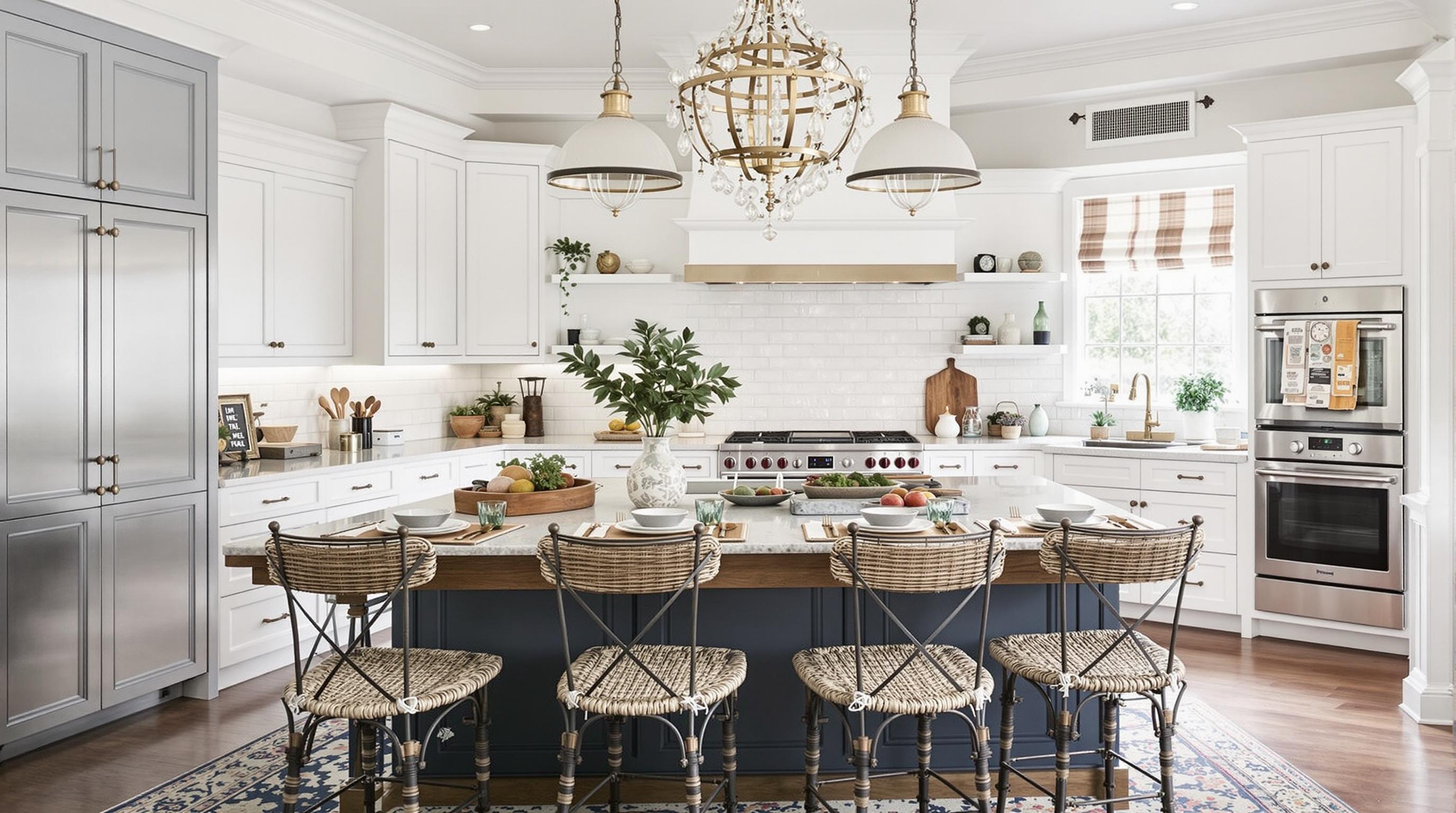
10 Unexpected Ways to Incorporate Cultural Artifacts into Your Kitchen & Dining Decor for Heirloom-Quality Spaces
10 Unexpected Ways to Incorporate Cultural Artifacts into Your Kitchen & Dining Decor for Heirloom-Quality Spaces
10 Unexpected Ways to Incorporate Cultural Artifacts into Your Kitchen & Dining Decor for Heirloom-Quality Spaces
1. Antique Ceramic Plates as Wall Art
One of the most striking ways to include cultural artifacts in your kitchen is through the use of antique ceramic plates. Collecting plates from various cultures or time periods can provide a vibrant tapestry of colors and patterns, turning the wall into a visual feast. Consider displaying them in an asymmetrical arrangement to lend a more contemporary feel amidst the charm of their historical origins.
When choosing plates, aim for pieces that tell a story—a hand-painted scene from Italy or a delicate design from a Chinese dynasty can spark conversations during dining occasions. The key is to pick a mix that complements your kitchen's overall theme while showcasing your unique heritage or interests.
Finally, mount your plates using decorative plate hangers, which allow easy swapping for seasonal change-ups. This strategy not only emphasizes your artistry in displaying artifacts but also keeps your decor feeling fresh and lively—perfect for those who appreciate both history and innovation.
2. Vintage Cutlery as Table Centerpieces
Utilizing vintage cutlery as a centerpiece is not only an inventive use of cultural artifacts, but it also elevates any dining experience. Instead of opting for modern table settings, vintage silverware or intricately designed utensils can serve as an excellent conversation starter. For example, French or English silver can add an air of sophistication, immediately evoking the charm of a dining room from centuries past.
To creatively arrange cutlery, consider placing them inside a decorative glass vase or a rustic wooden box, adding height and interest to the table. You might also intertwine fresh flowers or seasonal leaves with the cutlery to create an organic yet elegant aesthetic that combines history with nature.
In this manner, not only do you have a functional art piece, but you invite your guests to engage with the rich history behind each piece of cutlery, promoting an immersive dining experience that honor’s the past while celebrating your present.
3. Textiles that Tell a Story
Cultural textiles, from intricately woven table runners to embroidered napkins, can dramatically enhance the atmosphere of your kitchen and dining space. These items carry not just elegance but also a narrative that reflects the culture from which they originate. Think of a traditional sari transformed into a colorful tablecloth, embodying the vibrant spirit of South Asian heritage.
To make the most of these textiles, layer them judiciously. Use a solid tablecloth as a base and layer a colorful runner on top, showcasing the interplay of colors and textures. Moreover, don’t forget to consider the kitchen curtains—simple cloths adorned with ethnic patterns can breathe new life into your space.
Consider pairing these textiles with complementary artifacts, such as hand-painted pottery or wooden trays, to create a cohesive theme that speaks of craftsmanship and artistry. Such choices resonate with families who appreciate both heritage and high-quality design that can be cherished as heirlooms.
4. Cultural Pottery as Functional Decor
Incorporating cultural pottery into your dining decor serves a dual purpose: functionality and aesthetics. Items like Moroccan tagines or Italian majolica can become centerpiece pieces or serve practical roles, moving seamlessly between decoration and utility. When filled with fruits or used as serving dishes, they add both color and cultural richness to your kitchen.
Choose pottery that defines your culinary style or reflects your family’s roots. If you often find joy in Mediterranean cuisines, consider showcasing vibrant ceramic bowls that echo the tones of the sea and live pomegranates. Such a direct connection to the food itself can invigorate your cooking and dining experiences.
Moreover, consider using these cherished pieces in unexpected ways. A beautifully glazed bowl filled with kitchen utensils not only displays your collection but also pays homage to the artisans who crafted these unique items. Such practices enrich your kitchen, transforming it into a narrative landscape where history meets daily life.
5. Heirloom Glassware for Everyday Use
Heirloom glassware, often overlooked, can add a touch of whimsy and sophistication to everyday dining. Whether you possess crystal goblets from grand occasions or beautiful vintage tumblers with intricate designs, using these pieces daily can bring joy to mundane tasks. Such artifacts allow for a sensory connection to the past while elevating a simple meal.
Pair these elegant glassware pieces with contemporary dinner sets to create a juxtaposition that evokes interest. This unpredictable combination showcases your curated style, allowing guests to appreciate both the history of fine dining and the modern bohemian flair you embody.
Furthermore, using heirloom glassware for casual gatherings not only reinvigorates memories attached to the pieces but also encourages appreciation of craftsmanship. Each clink of a glass holds stories waiting to be shared, inviting guests to reflect on the history behind the styles present at your table.
6. Ethnic Cookbooks Displayed as Art
Displaying ethnic cookbooks as part of your kitchen decor is an inventive way to honor culinary traditions while providing a source of inspiration at your fingertips. Stacking them on open shelves or a stylish coffee table can create a cozy, curated look that feels both inviting and knowledgeable.
Opt for vintage editions or those with beautiful covers that reflect their cultural heritage. This not only makes a statement about your love for food but also serves as a visual narrative that sparks interest in guests who may want to explore those culinary traditions.
Additionally, citing anecdotes or recipes from these cookbooks during dining can bridge conversations about the significance of the dishes and their place within cultural contexts. It’s an unexpected way to incorporate elements of storytelling into your meals, reminding us that food is often an intersection of history, culture, and identity.
7. Handcrafted Serving Platters as Art Pieces
Handcrafted serving platters made from various materials can serve as stunning pieces of art that elevate your dining experience. Whether made from wood, ceramic, or stone, these platters not only express the craftsmanship involved in their creation but also add a rustic charm to your gatherings.
When selecting serving platters, consider those that highlight traditional techniques, such as hand-carving or unique glazing methods. Not only are these platters beautiful, but they can also be conversation starters, bringing stories about their creation and the culture from which they originate to the dining table.
Incorporating them into your dining settings—perhaps with a strategically placed platter filled with artisanal cheeses—amplifies the experience. Make it a point to showcase a selection of these handcrafted serving pieces with food that complements their aesthetic, ensuring that the story of each platter is intertwined with the meal served.
8. Cultural Artwork for Kitchen Walls
Transforming your kitchen walls with cultural artwork is an unexpected approach that invites a sense of identity and warmth into the heart of your home. From framed paintings depicting rural Italian life to intricate tapestries capturing the essence of African heritage, artwork adds depth and character to the kitchen.
While selecting pieces, consider those that reflect the themes of family, sustenance, or community—a reminder that the kitchen is a place of gathering. These artworks can serve not just as decor but as a celebration of tradition, uniting family and guests through a shared appreciation for art and its narratives.
Additionally, you might rotate the artwork seasonally or during family gatherings, allowing yourself to connect to different stories and cultures throughout the year. An ever-evolving visual landscape keeps your kitchen alive with new energy, encouraging exploration and curiosity.
9. Cultural Herbs and Spices in Decorative Jars
Herbs and spices are not only essential for flavor but also can be significant cultural artifacts, particularly when sourced from around the world. Displaying these in decorative jars can create a sensory experience in your kitchen, visually appealing and aromatic. Vintage glass jars or charming ceramic containers can serve both a practical and decorative purpose.
Labeling the jars in beautiful script can add elegance while providing an educational aspect—part of the journey taken in each meal shared. This collection transforms a simple spice rack into an artistic showcase that brings your culinary journeys to life and illustrates your commitment to diverse flavors.
Moreover, as a bonus, consider keeping recipes that utilize these spices conveniently nearby, bridging the gap between decoration and utility. The sights and smells of your well-curated spice collection can spark creativity, encouraging you to delve deeper into various culinary traditions and their historical contexts in your cooking.
10. Dining Furniture with Cultural Influence
Lastly, integrating dining furniture that embodies cultural influences can create a strong anchor for your kitchen or dining area. Consider a beautifully crafted table from reclaimed wood, reminiscent of farmhouse styles, or elegant chairs that reflect traditional craftsmanship from a specific culture, enriching the space with history and nostalgia.
When arranging furniture, keep functionality and style in mind. A long, communal table can encourage togetherness, while individual chairs from different cultures narrate tales of diversity. Drape the table with textiles that echo the styles of the chairs, creating harmony that nourishes both the body and spirit.
Such a curated approach cultivates an heirloom-quality environment, inviting guests to experience dining as an act of community and culture. Investing in pieces that resonate with personal history transforms a mere dining area into an extension of your family's journey, making for spaces imbued with stories waiting to unfold.
Read More