Related Articles
- Bizarre Wonders: Crafting Functional Ornaments from Obsolete Household Gadgets and Oddities
- Eco-Chemistry: Innovative Projects Using Upcycled Materials from Your Kitchen for Sustainable Living
- Mystical Metamorphosis: Crafting Enchanted Home Decor from Unwanted Childhood Toys and Forgotten Doll Parts
- Color Cravings: Exploring the Unconventional Links Between Food Choices and Fashion Statements
- Hues of Controversy: The Surprising Ties Between Color Choices and Ethical Consumerism Trends
- Color Waves: Exploring the Impact of Music on Visual Aesthetics in Art and Fashion Choices

Transforming the Night: The Surprising Impact of Soundscapes on Bedroom Design and Sleep Quality
Transforming the Night: The Surprising Impact of Soundscapes on Bedroom Design and Sleep Quality
Soundscapes can significantly enhance sleep quality and transform bedroom design, offering a multisensory experience that enriches our nights. This article explores various aspects of sound in the bedroom—from the science behind it to practical tips for integrating soundscapes into your sleep environment.
The Science of Sound and Sleep
Research has shown that sound plays a crucial role in our sleep patterns. According to the National Sleep Foundation, environmental noises can disrupt sleep cycles, leading to fragmented rest and reduced overall sleep quality (National Sleep Foundation, 2021). On the flip side, specific types of sounds can promote deeper sleep, improve relaxation, and help people fall asleep faster.
The Soothing Power of Nature Sounds
If you've ever drifted off while listening to the gentle rush of waves or the soft patter of rain, you're not alone. Numerous studies suggest that natural soundscapes, such as ocean waves or forest sounds, can enhance relaxation. For instance, a 2017 study by the University of California found that participants who listened to nature sounds reported a 30% increase in perceived restfulness compared to those who were exposed to silence (University of California, 2017).
But what makes these sounds so effective? The brain interprets natural sounds as non-threatening, which can help lower stress levels and encourage sleepiness. This principle has led to many individuals designing their bedrooms to incorporate soundscapes intentionally, using sound machines or apps that offer a variety of soothing options.
Creating Your Ideal Sound Oasis
Imagine this: you're lying in bed after a long day, and you press a button to activate a pre-recorded soundscape. A mix of gentle rain, distant thunder, and soft rustling leaves fills the air around you. This auditory environment not only drowns out intrusive city noises but also lulls you into a state of calm and relaxation.
Choosing the Right Soundscapes
The choice of soundscape is essential. While soft white noise can be beneficial for some, others may find that music specifically composed for sleep—such as binaural beats or ambient melodies—works wonders. The industry proliferated, with apps like Calm and Headspace leading the space. In fact, a study by the British Psychological Society found that 73% of users experienced better sleep quality through night-time audio content (British Psychological Society, 2020).
Implementing Soundscapes in Bedroom Design
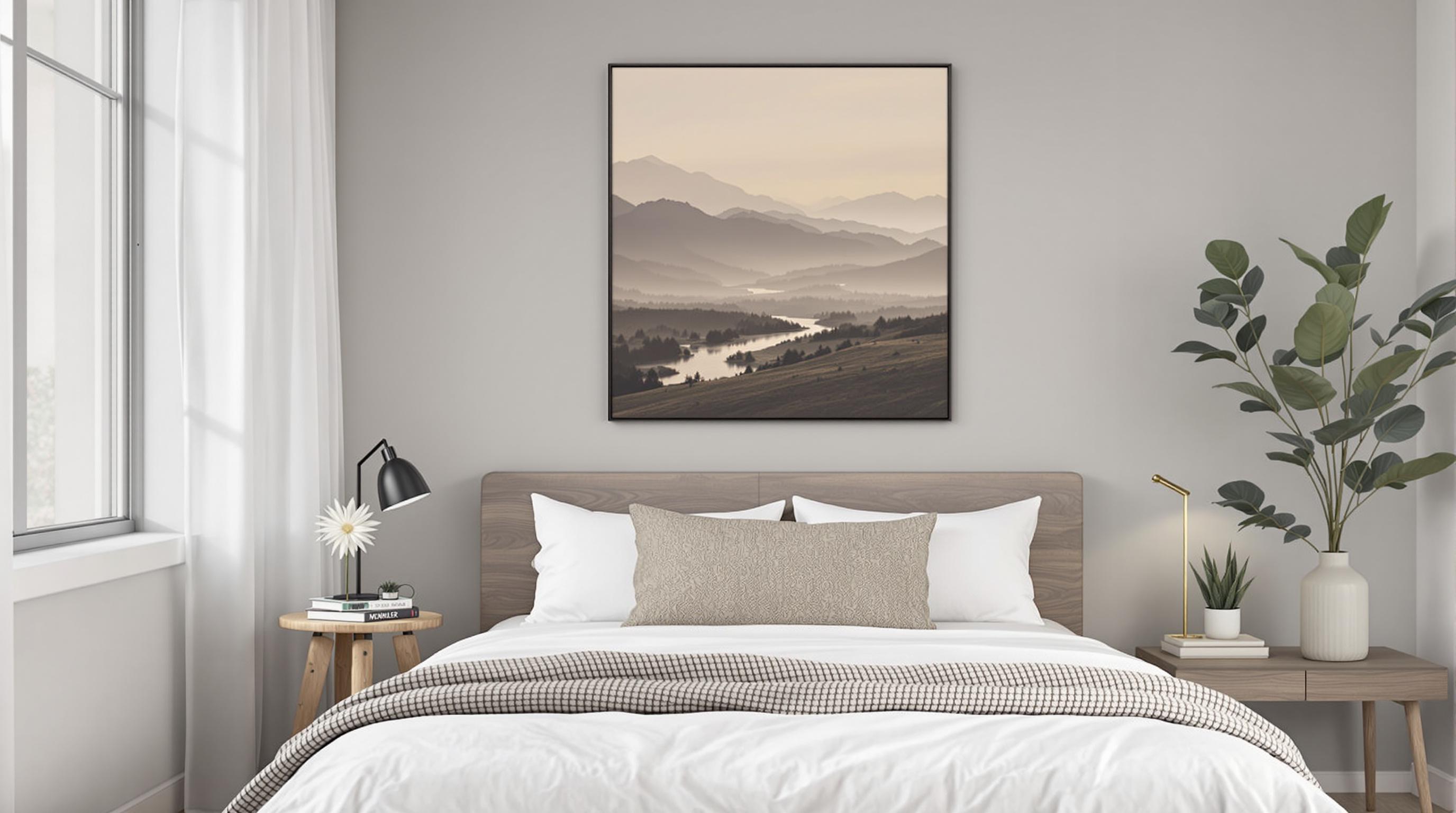
Before you sit back in your cozy space, consider the aesthetics. Integrating soundscapes into bedroom design doesn’t just mean adding a sound machine on your nightstand; it entails creating an ambiance that harmonizes with your chosen sound. You might transform your bedroom into a soft-lit sanctuary, adorned with plants that remind you of the outdoors, or opt for dark, faded colors that evoke a feeling of warmth and familiarity.
The Role of Physical Elements
Interestingly, the physical elements in your bedroom can interact with sound to enhance its calming properties. Sound travels differently through various materials. For example, heavy drapes can help muffle outside noises, while wall hangings can absorb sound waves more effectively. Thus, soft furnishings and thoughtful decor can enhance the overall soundscape experience, creating a more immersive environment.
Case Study: The Impact of Dedicated Sound Zones
In an ambitious project, a crew of designers worked on a house designed for optimal sleep. They created dedicated sound zones, leveraging strategically placed speakers that emitted calming soundscapes. Rather than being confined to the bedroom, sound permeated the entire living space, creating a holistic experience. Residents reported a significant improvement in their overall sleep quality and daily well-being after the home's redesign.
Soundscapes and Sleep Disorders
Soundscapes are also worth considering for those dealing with sleep disorders. A recent survey by the Sleep Foundation revealed that approximately 70 million Americans suffer from sleep disorders (Sleep Foundation, 2022). For many, soothing audio can serve as a simple yet effective coping mechanism. It has been shown that soundscapes can reduce incidents of anxiety and insomnia, providing a natural means of alleviation.
Incorporating Technology
With technology evolving, incorporating soundscapes into your bedroom design has never been easier! Devices like smart speakers can create an automated environment where you can control the lighting, temperature, and sound—all in one app. It’s not just about creating a pretty space; it's about creating a responsive environment that can transition seamlessly from day to night. All you have to do is say, “Goodnight,” and your surroundings can respond to darkness and quietude.
For example, the Philips Hue system allows users to synchronize their lighting with sound—a gentle transition that prepares your brain for sleep. According to a 2022 report from the Consumer Technology Association, over 50% of surveyed consumers adopted mood-setting technology in their bedrooms, with many highlighting improved sleep quality (Consumer Technology Association, 2022).
Tips for Designing Your Soundscape-Friendly Bedroom
Time for action! Here are some straightforward tips to help you create your soundscape-friendly bedroom:
- Invest in Quality Sound Equipment: Whether it’s a high-fidelity speaker system or heartwarming sound machine, prioritize good quality for optimal sound experience.
- Choose Your Sound Wisely: Experiment with different soundscapes—be it classical music, nature sounds, or white noise. Keep what resonates with you.
- Incorporate Cozy Elements: Layer your space with cushions, rugs, and other soft furnishings to create a conducive sound environment.
- Minimize Distractions: Sound isn’t the only concern. Make sure you reduce light and other distractions in your space to create a truly restful environment.
Humor Break: What About Snoring?
Let’s have a little fun moment here. It’s a well-known fact: snorers often enter a soundscape all their own. Imagine crafting a soothing soundscape only to have it drowned out by an all-night symphony of snores! Maybe the solution lies in buying them a sound machine of their own. Or perhaps earplugs are the unsung heroes of peaceful nights—perhaps they deserve a designated drawer in your nightstand!
The Journey Towards Better Sleep
In our fast-paced world filled with constant notifications and bright screens, the journey towards better sleep might seem daunting. However, integrating soundscapes into your bedroom design can pave the way for a more restful night. Picture wrapping yourself in calming audio, allowing the day’s stress to slip away as you surrender to deep sleep. It’s a practice as enjoyable as it is essential.
Final Thoughts: The Sweet Sound of Sleep
In the end, designing a bedroom that promotes better sleep through soundscapes isn't just about turning on some soothing tones. It’s about harmonizing every element in the room, the light, the decor, and, most importantly, the sounds that cradle you into a state of bliss. The experience becomes one of deep relaxation, serving as a gentle reminder that sometimes the most transformative elements are the ones we can’t see but can certainly hear.
So, as we embrace these sound-induced slumbers, let’s remember: our bedrooms aren’t just spaces for sleep; they can be thoughtfully curated soundscapes, designed to whisk us away to a world of dreams. Sweet dreams!
Read More